Professional OEM Clothing Manufacturers - Custom Apparel Production Solutions

  • Room 4001-1, Phoenix International Building, No. 33 Xinggui Street, Suzhou Industrial Park
  • +86-18451612153

Time: 9.00 am-4.00 pm

oem clothing manufacturers

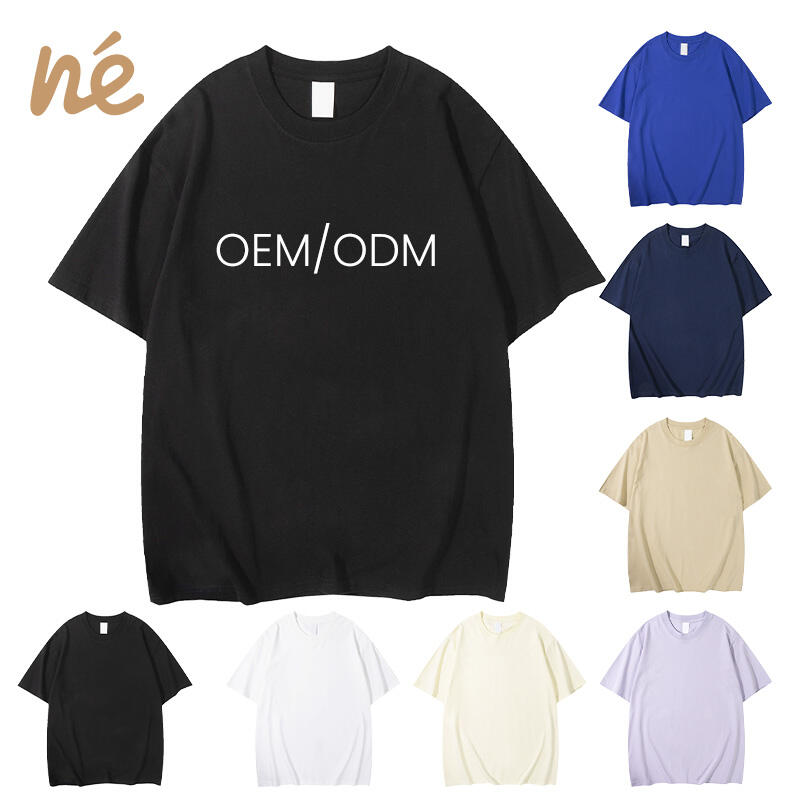
OEM clothing manufacturers represent the backbone of the global fashion and apparel industry, serving as specialized production partners that transform brand concepts into tangible garments. These original equipment manufacturers operate sophisticated facilities equipped with cutting-edge technology to produce clothing items according to exact specifications provided by fashion brands, retailers, and private label companies. The primary function of OEM clothing manufacturers involves comprehensive garment production services, from initial design consultation and pattern development to final quality inspection and packaging. Their technological infrastructure encompasses advanced fabric cutting systems, automated sewing equipment, computer-aided design software, and precision quality control mechanisms that ensure consistent product standards across large-scale production runs. Modern OEM clothing manufacturers integrate digital workflow management systems that enable real-time production monitoring, inventory tracking, and seamless communication with clients throughout the manufacturing process. These facilities typically maintain extensive fabric libraries, color matching capabilities, and sampling departments that facilitate rapid prototyping and product development cycles. The applications of OEM clothing manufacturers span diverse sectors including fast fashion retailers, luxury brands, corporate uniform suppliers, sportswear companies, and specialty apparel markets. Their production capabilities extend from basic garments like t-shirts and jeans to complex technical wear incorporating moisture-wicking fabrics, waterproof materials, and specialized construction techniques. Many OEM clothing manufacturers have developed expertise in sustainable production methods, incorporating eco-friendly materials and processes that align with contemporary environmental standards. Their global distribution networks enable efficient logistics and supply chain management, ensuring timely delivery to international markets while maintaining cost-effective production strategies that benefit both manufacturers and their brand partners.


Popular Products

OEM clothing manufacturers deliver exceptional value through their specialized expertise and streamlined production processes that significantly reduce costs for brand owners. These manufacturers eliminate the need for companies to invest in expensive production facilities, specialized equipment, and technical workforce, allowing brands to focus on design innovation and market development while leaving manufacturing complexities to experienced professionals. The cost advantages extend beyond initial capital savings, as OEM clothing manufacturers leverage economies of scale to secure better pricing on raw materials, fabrics, and components through established supplier relationships and bulk purchasing power. Their production efficiency translates into faster turnaround times, enabling brands to respond quickly to market trends and seasonal demands without maintaining large inventory investments. Quality control represents another major advantage, as established OEM clothing manufacturers implement rigorous testing protocols and maintain consistent production standards that ensure product reliability and customer satisfaction. These manufacturers possess deep technical knowledge of garment construction, fabric properties, and production techniques that many brands lack internally, resulting in superior product quality and innovative solutions for complex design challenges. Risk mitigation becomes crucial for brands working with reputable OEM clothing manufacturers, as these partners typically carry comprehensive insurance coverage and maintain compliance with international labor standards and safety regulations. The flexibility offered by OEM clothing manufacturers allows brands to scale production volumes up or down based on market conditions without long-term commitments to fixed manufacturing capacity. Their global presence provides strategic advantages for international expansion, offering local market knowledge, cultural understanding, and established distribution networks that facilitate entry into new geographic markets. Technology integration capabilities enable seamless collaboration through digital platforms, real-time production tracking, and automated quality reporting systems that enhance transparency and accountability throughout the manufacturing process. Additionally, many OEM clothing manufacturers offer value-added services including design consultation, trend forecasting, and market analysis that help brands make informed decisions about product development and positioning strategies.

Tips And Tricks

What Fabrics Are Commonly Used for Mens Plain Oversized T Shirts?

10

Feb

What Fabrics Are Commonly Used for Mens Plain Oversized T Shirts?

The world of casual fashion has undergone a significant transformation in recent years, with mens plain oversized t shirts emerging as a cornerstone of contemporary streetwear and everyday comfort. These versatile garments have transcended their humb...
View More
How Can I Buy Mens Plain Oversized T Shirts in Bulk?

10

Feb

How Can I Buy Mens Plain Oversized T Shirts in Bulk?

The demand for mens plain oversized t shirts has surged dramatically in recent years, driven by evolving fashion trends and the comfort-first mentality of modern consumers. Business owners, retailers, and entrepreneurs are increasingly seeking reliab...
View More
What Fabric and Weight Should You Look for in the Ideal Men's Hoodie?

10

Feb

What Fabric and Weight Should You Look for in the Ideal Men's Hoodie?

Choosing the perfect men's hoodie requires careful consideration of fabric composition and weight to ensure optimal comfort, durability, and style. The right combination of materials determines how a hoodie feels against your skin, maintains its shap...
View More
What Are the Benefits of Choosing Organic Cotton for Your Next T Shirt for Men?

10

Feb

What Are the Benefits of Choosing Organic Cotton for Your Next T Shirt for Men?

When selecting clothing essentials, the choice of fabric plays a crucial role in determining comfort, durability, and environmental impact. Organic cotton has emerged as a premium material option that offers numerous advantages over conventional alte...
View More

Get a Free Quote

Our representative will contact you soon.
Email
Name
Company Name
Intended Products
WhatsApp/Tel
Message
0/1000

oem clothing manufacturers

Advanced Production Technology Integration

Advanced Production Technology Integration

Modern OEM clothing manufacturers have revolutionized garment production through sophisticated technology integration that delivers unprecedented efficiency and precision in manufacturing processes. These facilities deploy state-of-the-art automated cutting systems that utilize laser technology and computer-controlled machinery to achieve millimeter-perfect accuracy while minimizing fabric waste, resulting in cost savings that benefit both manufacturers and their brand partners. The implementation of Industry 4.0 principles enables real-time monitoring of production lines through IoT sensors and data analytics platforms that track performance metrics, identify bottlenecks, and optimize workflow efficiency. Advanced embroidery and printing technologies allow OEM clothing manufacturers to execute complex designs with exceptional detail and color accuracy, supporting brands in creating distinctive products that stand out in competitive markets. Digital pattern-making systems eliminate traditional paper patterns, reducing development time from weeks to days while enabling rapid modifications and customization options that accommodate diverse client requirements. Automated quality inspection systems incorporate machine vision technology and artificial intelligence algorithms to detect defects and inconsistencies that human inspectors might miss, ensuring superior product quality and reducing return rates for brand partners. These technological capabilities extend to fabric testing laboratories where OEM clothing manufacturers conduct comprehensive analysis of material properties, durability testing, and colorfastness evaluation to guarantee product performance standards. The integration of enterprise resource planning systems enables seamless coordination between design, production, inventory management, and logistics departments, creating transparency and accountability throughout the entire manufacturing process. Cloud-based collaboration platforms facilitate real-time communication between OEM clothing manufacturers and their global clients, enabling instant sharing of production updates, quality reports, and shipment tracking information that enhances business relationships and operational efficiency.
Comprehensive Supply Chain Management

Comprehensive Supply Chain Management

OEM clothing manufacturers excel in supply chain orchestration, managing complex networks of suppliers, logistics providers, and quality control partners to deliver seamless production experiences for their clients. Their established relationships with fabric mills, accessory suppliers, and component manufacturers enable access to premium materials at competitive pricing while ensuring consistent availability and quality standards across all production runs. These manufacturers maintain strategic inventory management systems that balance cost efficiency with production flexibility, stocking essential materials and components to meet urgent orders while avoiding excessive carrying costs that could impact pricing structures. Their expertise in global sourcing enables OEM clothing manufacturers to identify and evaluate new suppliers based on quality criteria, ethical standards, and cost competitiveness, continuously optimizing their supply networks to benefit client partnerships. Comprehensive logistics coordination encompasses everything from raw material procurement to finished goods distribution, with OEM clothing manufacturers managing international shipping, customs documentation, and regulatory compliance requirements that can be complex and time-consuming for brands to handle independently. Risk assessment and mitigation strategies form integral components of their supply chain management approach, with diversified supplier bases and contingency planning that protect clients from disruptions caused by natural disasters, political instability, or economic fluctuations in specific regions. Quality assurance protocols extend throughout the entire supply chain, with OEM clothing manufacturers conducting regular audits of supplier facilities, testing incoming materials, and maintaining traceability systems that enable rapid identification and resolution of quality issues. Their supply chain transparency initiatives provide clients with detailed visibility into production processes, material sourcing, and environmental impact metrics that support sustainable business practices and ethical sourcing requirements. Advanced forecasting capabilities enable OEM clothing manufacturers to anticipate seasonal demand patterns and material requirements, coordinating with suppliers to ensure adequate capacity and minimize lead times during peak production periods.
Flexible Manufacturing Solutions and Customization

Flexible Manufacturing Solutions and Customization

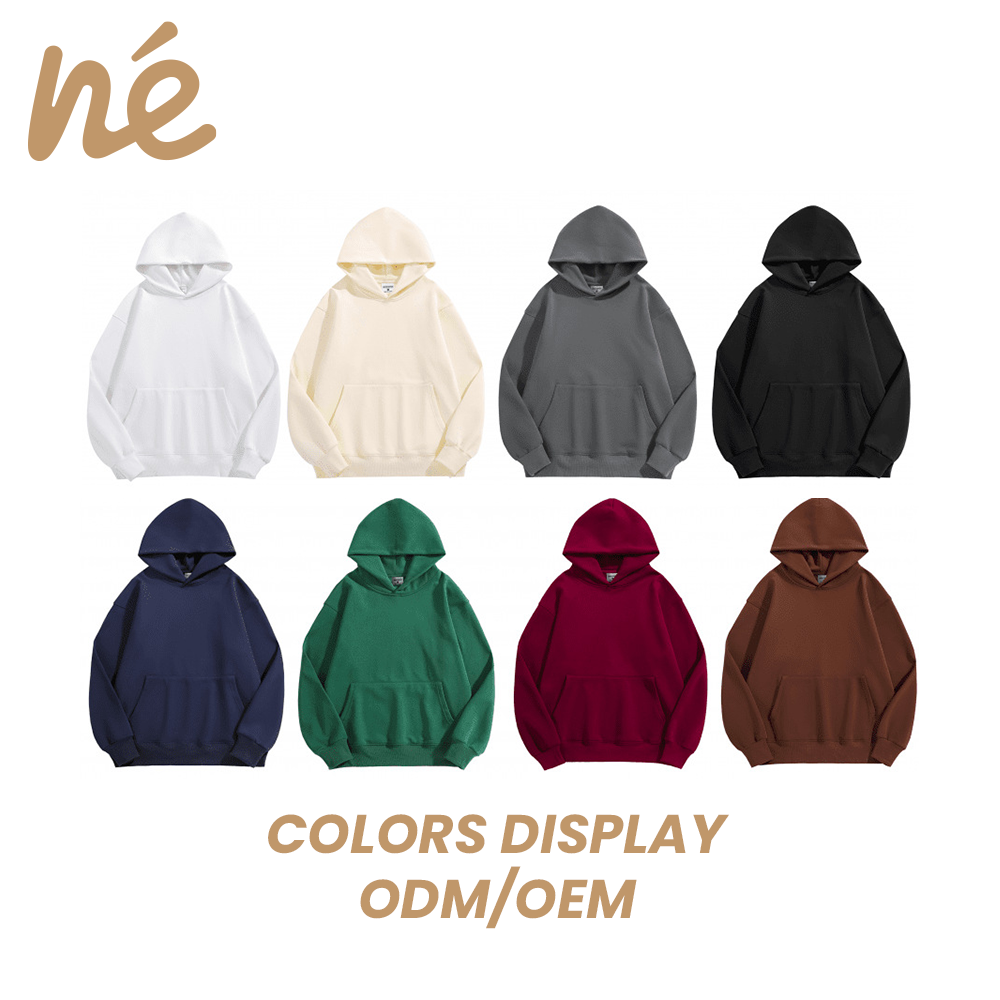
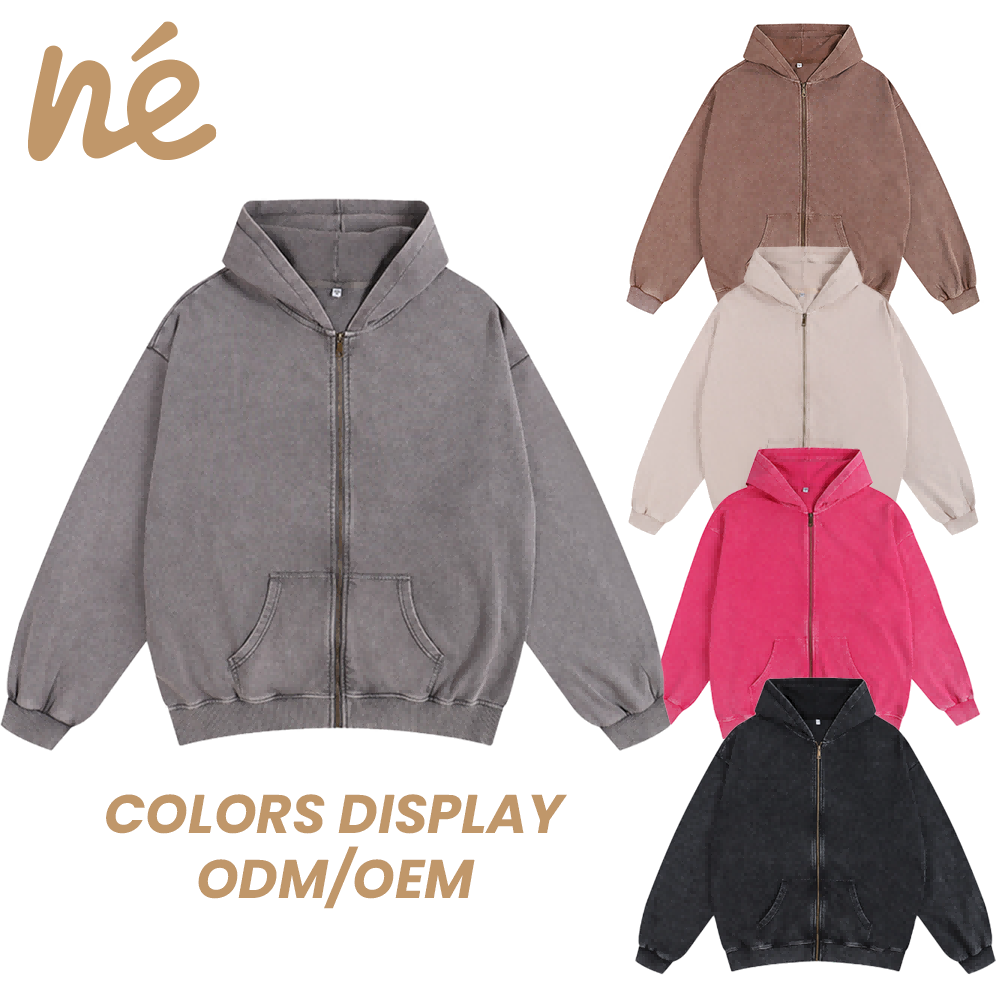
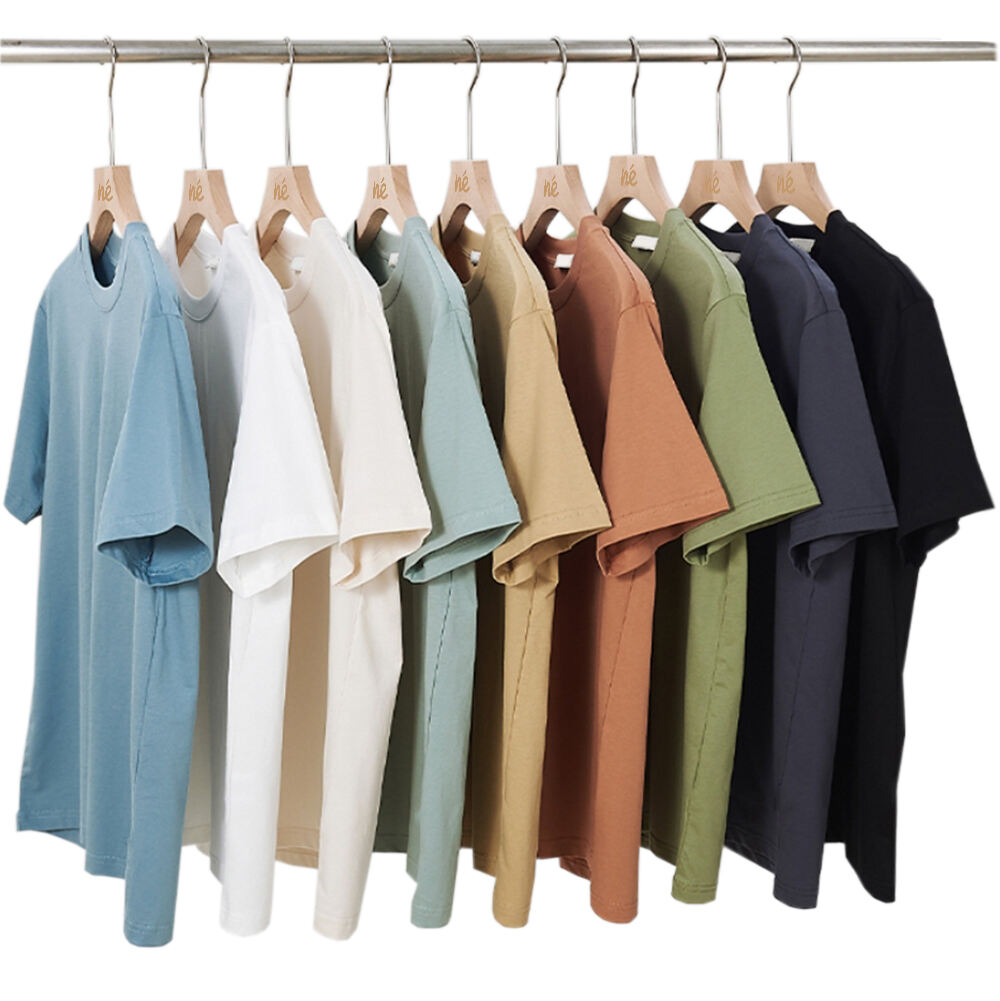
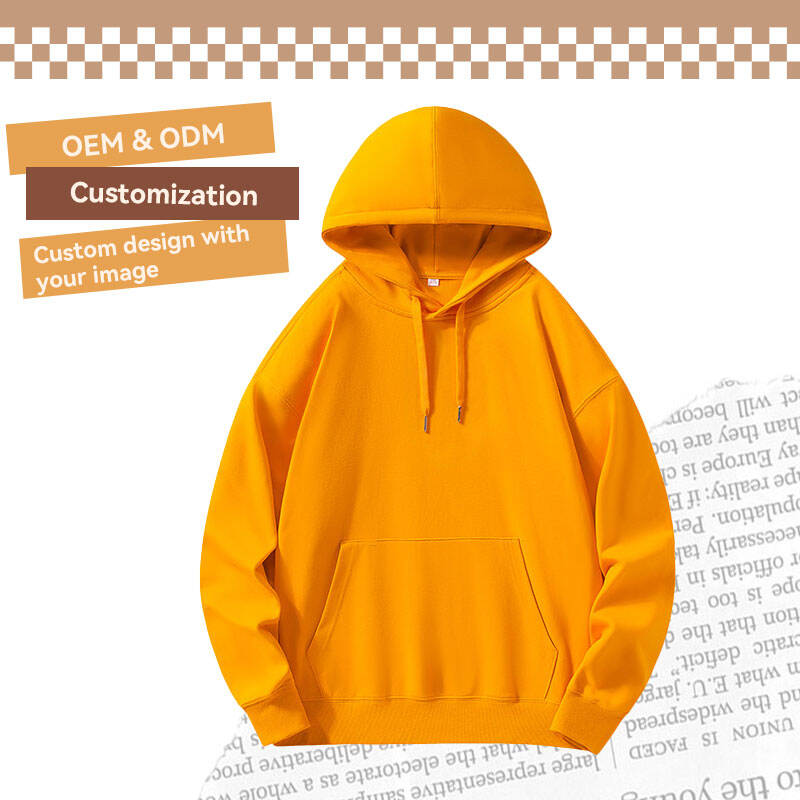
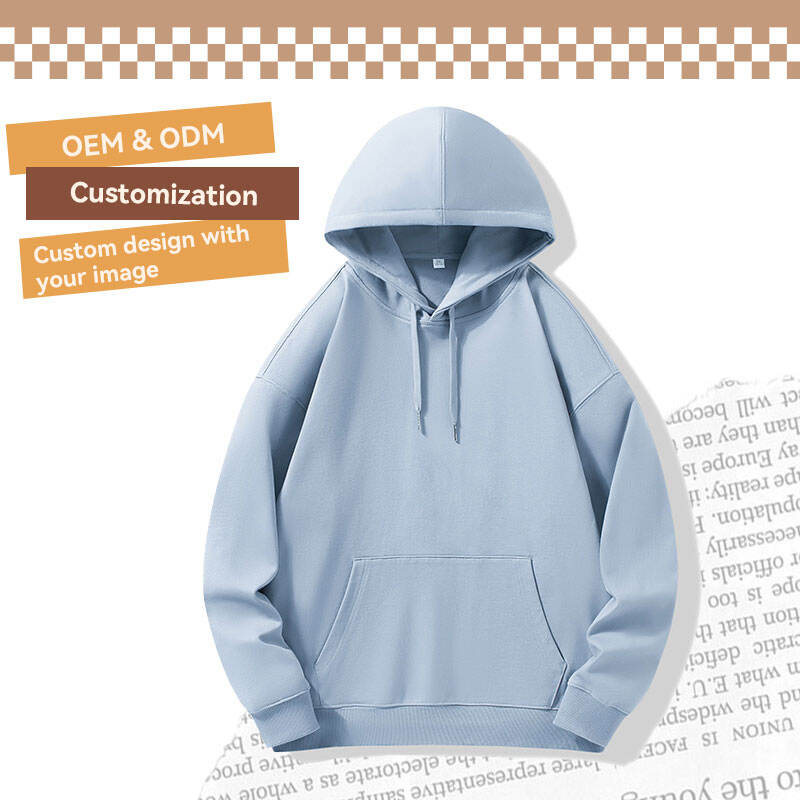
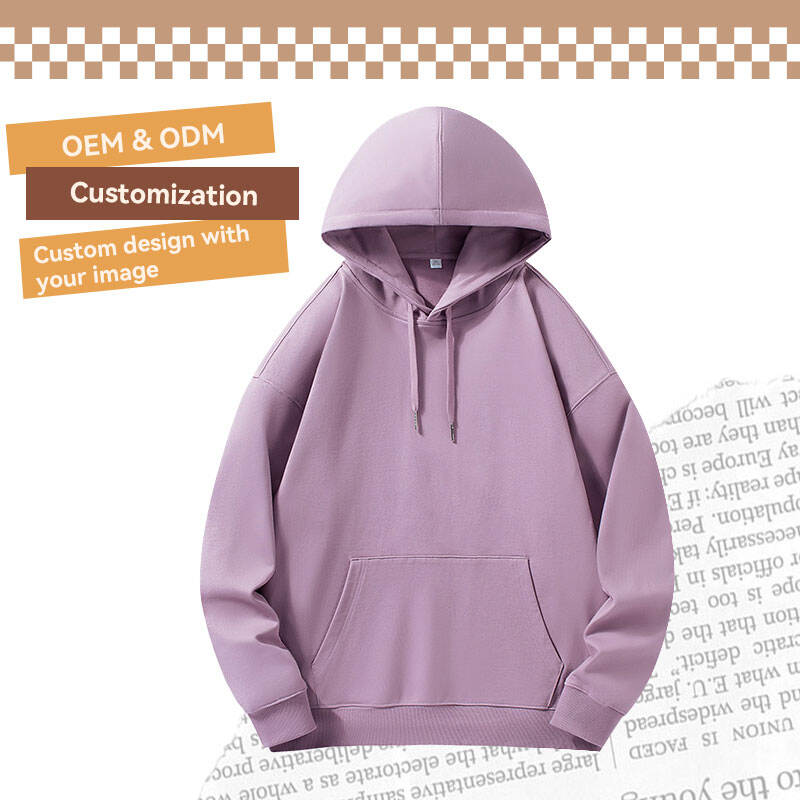
The adaptability and customization capabilities of OEM clothing manufacturers represent fundamental competitive advantages that enable brands to respond effectively to dynamic market conditions and diverse consumer preferences. These manufacturers maintain flexible production systems that accommodate varying order quantities, from small-batch specialty items to large-volume retail orders, without compromising efficiency or quality standards that clients expect from professional manufacturing partnerships. Their modular production approaches allow rapid reconfiguration of assembly lines and work processes to handle different garment types, construction techniques, and finishing requirements, providing brands with versatility that supports diverse product portfolios and seasonal collections. Customization services extend beyond basic garment assembly to include specialized treatments such as stone washing, enzyme processing, distressing techniques, and unique finishing methods that create distinctive product characteristics aligned with brand identity and market positioning strategies. Size grading expertise enables OEM clothing manufacturers to adapt base patterns across comprehensive size ranges while maintaining fit consistency and proportion accuracy that ensures customer satisfaction across diverse demographic segments. Color matching capabilities utilize advanced spectrophotometry and digital color management systems to achieve precise color reproduction that meets exact brand specifications, supporting consistent brand image and customer recognition across multiple product lines and production batches. Prototype development services allow rapid iteration and refinement of designs through skilled sample-making teams that translate conceptual ideas into physical samples, enabling brands to evaluate fit, construction details, and aesthetic elements before committing to full production runs. Their flexibility extends to packaging and labeling customization, accommodating specific brand requirements for hangtags, care labels, packaging materials, and presentation formats that support retail merchandising strategies and enhance customer experience. Quick-response manufacturing capabilities enable OEM clothing manufacturers to adjust production schedules and priorities based on changing market demands, supporting brands in capitalizing on emerging trends and seasonal opportunities without lengthy lead times that could result in missed market opportunities.

Get a Free Quote

Our representative will contact you soon.
Email
Name
Company Name
Intended Products
WhatsApp/Tel
Message
0/1000