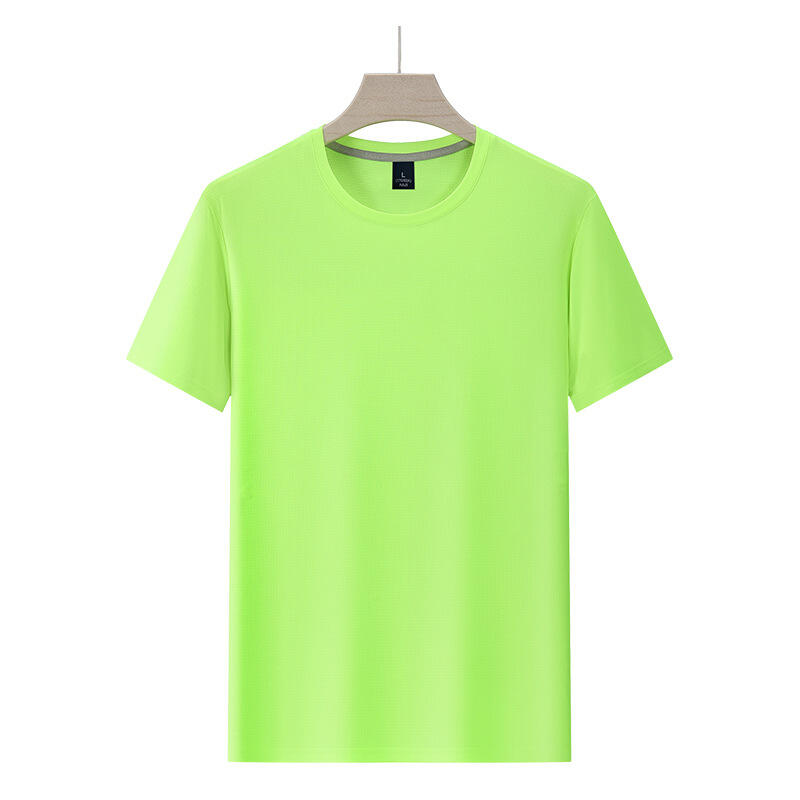
Beginnende mode-merke staar 'n unieke uitdaging in die gesig wanneer hulle na vervaardigingsvennootskappe soek: die meeste tradisionele klerevervaardigers vereis minimum bestelhoeveelhede wat tot duisende kan oploop, wat 'n beduidende struikelblok vir nuwe handelsmerke met beperkte kapitaal en onseker markvraag skep. Hierdie vervaardigingslandskap dwing nuwe mode-entrepreneurs om óf hul produkvisie te kompromitteer óf baie ver buite hul finansiële komfortsone te belê net om toegang tot professionele vervaardigingsdiens te verkry.
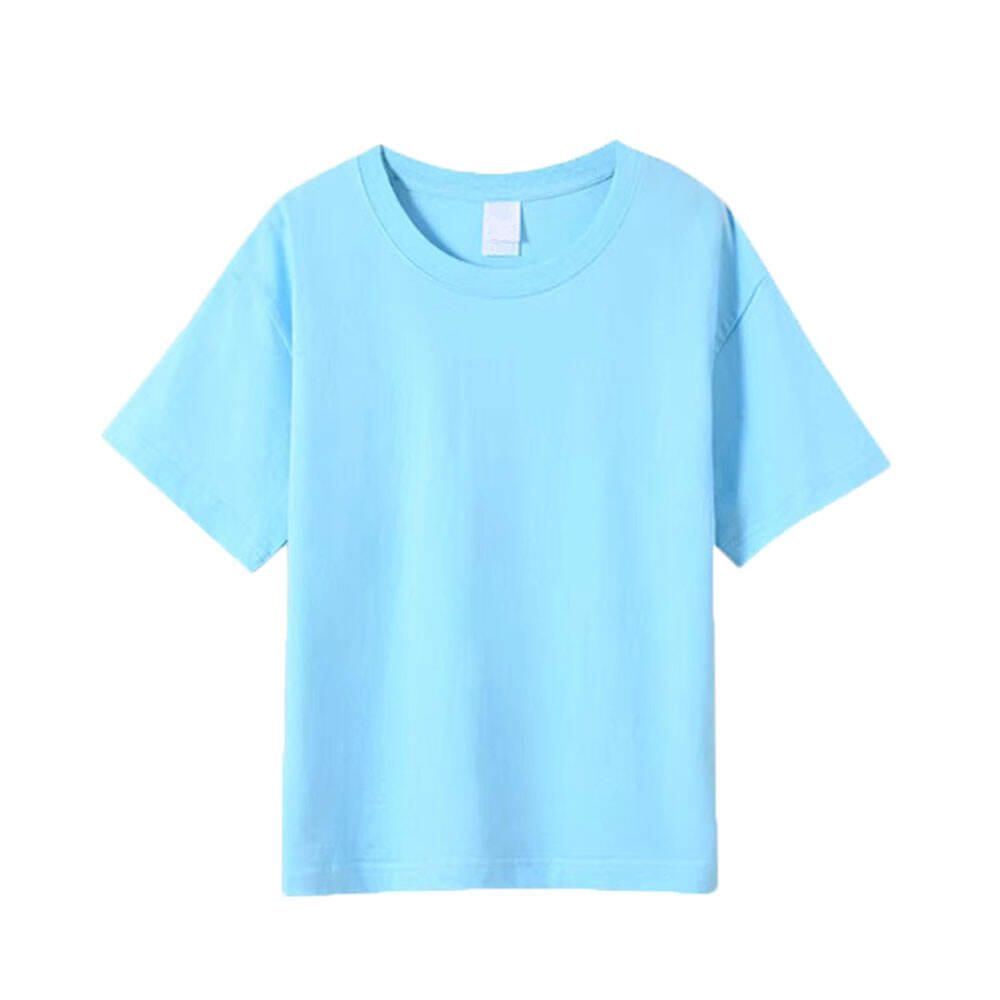
Gelukkig het 'n gespesialiseerde segment van klerevervaardigers ontstaan om die beginnende mode-mark te dien, wat lae minimum bestelhoeveelhede aanbied wat professionele vervaardiging toeganklik maak vir handelsmerke met beskeie aanvanklike vereistes. Hierdie vervaardigers verstaan dat vandag se suksesvolle beginnende mode-merke behoefte het aan veerkragtigheid, gehalte en redelike toegangspunte om marklewensvatbaarheid te toets en hul handelsmerke progressief op te bou.
Gespesialiseerde vervaardigingskategorieë vir lae-volumeproduksie
Snit-en-naai Spesialiste
Snit-en-naai klerevervaardigers verteenwoordig die mees veelsydige opsie vir nuwe mode-merke wat lae minimum bestellings soek. Hierdie fasiliteite spesialiseer in die vervaardiging van pasgemaakte klere volgens verskafte patrone en materiale, en aanvaar gewoonlik bestellings vanaf slegs 50–100 stukke per styl. Hul besigheidsmodel fokus op aanpasbaarheid eerder as volume-effektiwiteit, wat hulle die ideale vennote maak vir merke wat nuwe ontwerpe toets of in nis-markte tree.
Hierdie gespesialiseerde klerevervaardigers bedryf dikwels kleiner fasiliteite met ervare patroonmakers en vaardige naaisters wat komplekse konstruksievereistes kan hanteer. Hul vervaardigingsvermoë strek oor verskeie klerekategorieë, van basiese kledingstukke tot ingewikkelde modestukke, wat aan beginnende merke die geleentheid bied om ontwerpintegriteit te behou terwyl hulle binne realistiese begrotingsbeperkings werk.
Klein-batch Breiwerkvervaardigers
Kledingvervaardigers wat op breiwerk fokus, het spesifieke kundigheid ontwikkel in die dien van mode-startups, aangesien gebreide klere natuurlik geskik is vir kleiner produksie-omsette. Hierdie vervaardigers handhaaf gewoonlik minimum bestelhoeveelhede van tussen 25 en 100 stukke per kleur en styl, wat hulle toeganklik maak vir merke wat met beperkte produklyne lanseer.
Die tegniese aard van breiwerkproduksie vereis gespesialiseerde toerusting en kundigheid wat hierdie vervaardigers verfyn het om doeltreffendheid by kleiner skale te verseker. Baie van hierdie fasiliteite bied geïntegreerde dienste aan, insluitend garensourcing, patroonontwikkeling en afwerking, wat startups in die modewêreld volledige produksie-oplossings onder een dak verskaf.
Privaatetiketvervaardigers met buigsame minimums
Sommige vervaardigers van klante-etiket-kleding het hul besigheidsmodel aangepas om nuwe mode-merke te akkommodeer deur gegradueerde minimum-bestellingstrukture aan te bied. Hierdie fasiliteite vereis gewoonlik hoër minimums vir ingewikkelde spesiale werk, maar bied laer drempels vir wysigings van bestaande ontwerpe of seisoenale kleurvariasies.
Hierdie vervaardigingskategorie laat nuwe mode-merke toe om professionele gehalte en konsekwente groottes te bereik terwyl redelike bestellinghoeveelhede behou word. Baie van hierdie klerevervaardigers onderhou biblioteke van bewese patrone wat met verskillende stowwe, kleure of klein ontwerpveranderinge aangepas kan word om unieke produkte vir nuwe merke te skep.
Geografiese konsentrasies van vervaardiging met lae minimum-bestellinghoeveelhede
Lokale kunsvlyt-netwerke
Lokale en streekklerevervaardigers wat as ambagsnetwerke bedryf word, het waardevolle hulpbronne vir beginnende mode-etikette geword wat baie lae minimum bestellings soek. Hierdie vervaardigers bestaan dikwels uit vaardige individue of klein kollektiewe wat vanaf toegewyde studeoruimtes werk en bestellings so klein soos 10–25 stukke aanvaar, afhangende van die kompleksiteit van die klere.
Die nabyheidvoordeel van inlandsse ambagsklerevervaardigers strek verder as net verminderde versendingkoste en vinniger leweringsdae. Hierdie vennootskappe maak direkte samewerking oor pasverstellings, gehaltebeheer en ontwerpverfyning moontlik—dinge wat met buitelandse vervaardigingsvennootskappe moeilik te bereik sou wees—en maak hulle veral waardevol tydens die produk-ontwikkelingsfase.
Streekgewyse Vervaardigingshubs
Bepaalde geografiese streke het konsentrasies van klerevervaardigers ontwikkel wat spesifiek die beginnende en klein-batchmark verder bedien. Hierdie areas kenmerk gewoonlik geklusterde vervaardigingsfasiliteite, gedeelde hulpbronne en gespesialiseerde diensverskaffers wat saam die toegangsbeperkings vir klein mode-merke verminder.
Streekse vervaardigingshubs ontwikkel gewoonlik rondom areas met historiese tekstielvervaardigingskennis, beskikbare vaardige arbeid en ondersteunende plaaslike beleid. Hierdie klerevervaardigers voordeel van gedeelde voorsieningskettings, tegniese kundigheid en bedryfskennis wat dit moontlik maak om mededingende pryse en buigsame terme aan te bied, selfs by laer volume-drempels.
Vervaardigingsvermoëns en Diensmodelle
Volledige Diensontwikkelingsvennootskappe
Gevorderde klerevervaardigers wat startups bedien, verskaf dikwels omvattende ontwikkelingsdiens wat ver bokant basiese produksie strek. Hierdie fasiliteite bied gewoonlik patroonontwikkeling, tegniese ontwerpsteun, riglyne vir stofversameling en monsterproduksiediens, wat mode-startups in staat stel om professionele produkte te ontwikkel sonder om uitgebreide tegniese vermoëns binne die organisasie te handhaaf.
Die volledige diensmodel bewys veral waardevol vir beginnende mode-merke wat nie oor uitgebreide bedryfservaring of tegniese kennis beskik nie. Hierdie klerevervaardigers tree effektief op as eksterne produk-ontwikkelingspanne en verskaf kundigheid in konstruksiemetodes, grootte-standaarde en gehalte-spesifikasies wat verseker dat finale produkte aan professionele markstandaarde voldoen.
Buigsame Raisonnement en Spoed DIENSTE
Kledingvervaardigers wat op startups fokus, struktureer dikwels hul bedrywighede om die onvoorspelbare skeduleringseise wat tipies is vir nuwe mode-merke te akkommodeer. Hierdie aanpasbaarheid sluit in die aanvaarding van spoedbestellings, die aanpassing van seisoenale tydsfaktore en die voorsiening van voorkeurproduksieplekke vir tydgebonde lanseringe in.
Baie van hierdie kledingvervaardigers handhaaf kapasiteitsbuffers spesifiek om dringende startupvereistes te dien, met die begrip dat tydsberekening in die modewêreld krities kan wees vir 'n merk se sukses. Hierdie bedryfsbenadering stel nuwe etikette in staat om vinnig op markgeleenthede of seisoenale vereistes te reageer sonder die lang leweringsperiodes wat tipies is vir groter produksiefasiliteite.
Kwaliteitsstandaarde en kosteoorwegings
Kwaliteitswaarborging by klein volumes
Professionele klerevervaardigers wat spesialiseer in lae minimumbestellings handhaaf streng gehalte-standaarde ten spyte van kleiner produksie-lote. Hierdie fasiliteite implementeer dikwels meer intensiewe gehaltebeheerprosesse per eenheid, insluitend noukeurige voorproduksie-monsters, inspeksies tydens die vervaardigingsproses en finale produktoorsigte wat konsekwentheid oor beperkte hoeveelhede verseker.
Die gehaltefokus van hierdie klerevervaardigers weerspieël hul begrip dat nuwe mode-merke nie gehalteprobleme kan bekostig wat hul ontluikende merkreputasie sou kan beskadig nie. Baie implementeer gehaltestelsels wat spesifiek vir klein-batch-produksie ontwerp is, insluitend individuele klerevolg en gepersonaliseerde gehalteverslae.
Prysvorming vir Beginnende Volume
Kledingvervaardigers wat startups bedien, gebruik gewoonlik pryshervormingsmodelle wat toeganklikheid met volhoubare besigheidsoperasies balanseer. Al is per-eenheidkoste gewoonlik hoër as by grootvolume-produksie, struktureer hierdie vervaardigers dikwels hul pryse om redelike instapgeleenthede vir nuwe handelsmerke te bied terwyl hulle steeds insentiewe vir volumegroei handhaaf.
Progressiewe pryshervormingsstrukture laat nuwe modehandelsmerke toe om met klein hoeveelhede te begin, terwyl dit duidelike kosteverminderingpaaie bied soos bestellinghoeveelhede toeneem. Baie kledingvervaardigers bied trapsgewyse pryshervormingsvlakke aan wat groei en die ontwikkeling van langtermynverhoudings beloon, wat hulle tot volhoubare vennote maak deur al die fases van 'n handelsmerk se ontwikkeling heen.
Vennootskapsontwikkeling en keuringskriteria
Evaluasiefaktore vir nuwe besigheidsgeskiktheid
Die keuse van toepaslike klerevervaardigers vereis dat nuwe mode-merke faktore buite bloot minimum-bestellingvereistes evalueer. Belangrike oorwegings sluit in die buigsaamheid van die vervaardigingstydlyn, reaksievlugtigheid met betrekking tot kommunikasie, toepaslike tegniese vermoëns en die bereidwilligheid om merkontwikkeling deur verskeie groeistadiums heen te ondersteun.
Suksesvolle vennootskappe met klerevervaardigers hang dikwels af van 'n gedeelde begrip van die uitdagings en groeidoelwitte wat nuwe besighede ondervind. Vervaardigers wat ervaring het met soortgelyke merke, buigsaamheid in betalingsvoorwaardes toon en toegewy aan die ontwikkeling van langtermynverhoudings, bewys gewoonlik meer waarde as dié wat slegs op onmiddellike vervaardigingseffektiwiteit fokus.
Bou van Langtermynvervaardigingsverhoudings
Strategiese verhoudings met klerevervaardigers vereis voortdurende kommunikasie, wedersydse respek vir besigheidsbeperkings en samewerkende probleemoplossingsbenaderings. Suksesvolle nuwe mode-merke belê dikwels tyd in die begrip van hul vervaardigingsvennote se vermoëns, beperkings en besigheidsdoelstellings om wedersydse voordeelgewende reëlings te skep.
Hierdie verhoudings stel klerevervaardigers in staat om beter voor te berei op nuwe besigheidsbehoeftes, proaktiewe riglyne te verskaf en toenemende volumevereistes te hanteer soos mode-merke markaanhang ontwikkel. Die partnerskapsbenadering lei dikwels tot bevorregde behandeling, voorrangbeplanning en geleenthede vir samewerkende innovasie wat beide partye baat.
VEELEWERSGESTELDE VRAE
Wat word as 'n lae minimum bestellinghoeveelheid vir klerevervaardigers beskou?
Lae minimum bestelhoeveelhede vir klerevervaardigers wissel gewoonlik van 25 tot 200 stukke per styl en kleur, alhoewel sommige gespesialiseerde vervaardigers bestellings so klein soos 10–50 stukke aanvaar. Die presiese drempel wissel gebaseer op die kompleksiteit van die klere, die vervaardigingsmetode en die vervaardiger se spesialisasie, met sny-en-naai-fasiliteite wat gewoonlik die mees buigsame minimums bied.
Hoeveel hoër is die koste wanneer daar saam met klerevervaardigers met lae minimum bestelhoeveelhede gewerk word?
Per-eenheidkoste by klerevervaardigers met lae minimum bestelhoeveelhede wissel gewoonlik 20–50% hoër as by grootvolume-produksie, wat die verminderde voordele van skaal-ekonomieë en hoër instellingskoste per stuk weerspieël. Baie beginondernemings vind egter hierdie premie die moeite werd vir marktoetsing, verminderde voorraadrisiko en die vermoë om sonder beduidende kapitaalinvestering te lanceer.
Handhaaf klerevervaardigers met lae minimums dieselfde gehaltestandaarde as grootskaalse produsente?
Kwaliteitsstandaarde wissel onder klerevervaardigers, ongeag minimum bestellingvereistes, maar baie lae-MOQ spesialiste handhaaf uitstekende kwaliteit deur intensiewe aandag per eenheid en gespesialiseerde prosesse. Die sleutel is om vervaardigers met bewese rekords, toepaslike sertifikasies en kwaliteitstelsels wat vir klein-batchproduksie ontwerp is, te kies eerder as om aan te neem dat volume met kwaliteit korreleer.
Hoe kan beginnende mode-merke betroubare klerevervaardigers met lae MOQs identifiseer?
Beginnende mode-merke kan betroubare klerevervaardigers met lae MOQs identifiseer deur industrie-handelskoue, aanlyn-platforms wat op klein-batchproduksie spesialiseer, verwysings van ander beginnende merke, en direkte kontak met vervaardigers wat buigsame minimums adverteer. Die evaluering van monsters, die nakoming van verwysings en besoeke aan fasiliteite waar moontlik, help om die vermoëns en betroubaarheid van die vervaardiger te bevestig.
Inhoudsopgawe
- Gespesialiseerde vervaardigingskategorieë vir lae-volumeproduksie
- Geografiese konsentrasies van vervaardiging met lae minimum-bestellinghoeveelhede
- Vervaardigingsvermoëns en Diensmodelle
- Kwaliteitsstandaarde en kosteoorwegings
- Vennootskapsontwikkeling en keuringskriteria
-
VEELEWERSGESTELDE VRAE
- Wat word as 'n lae minimum bestellinghoeveelheid vir klerevervaardigers beskou?
- Hoeveel hoër is die koste wanneer daar saam met klerevervaardigers met lae minimum bestelhoeveelhede gewerk word?
- Handhaaf klerevervaardigers met lae minimums dieselfde gehaltestandaarde as grootskaalse produsente?
- Hoe kan beginnende mode-merke betroubare klerevervaardigers met lae MOQs identifiseer?