
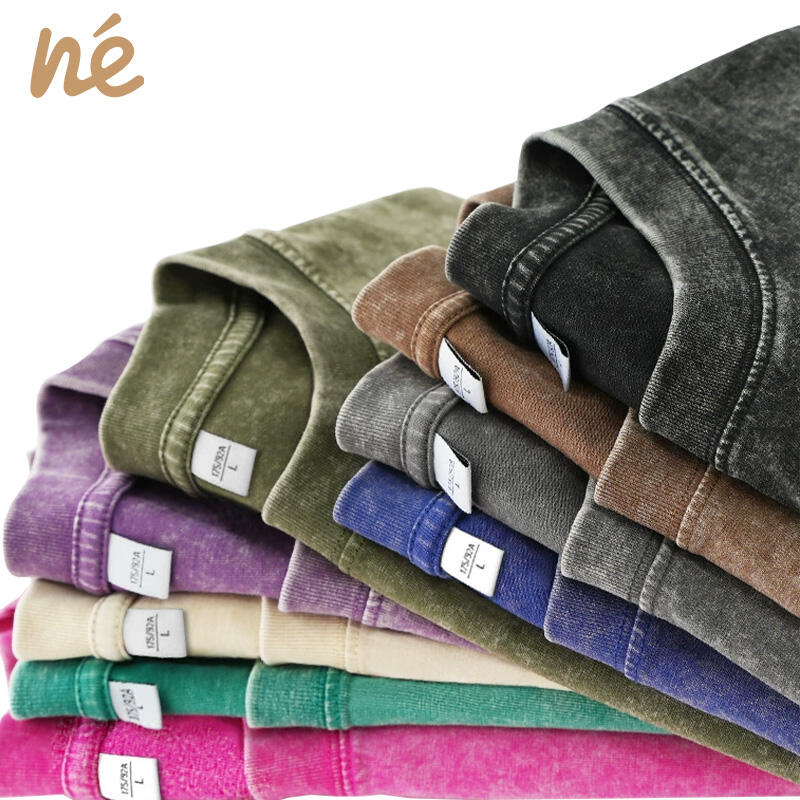
Manufacturing high-quality oversized t-shirts requires precise coordination across multiple production stages, from fabric selection to final packaging. Modern oversized t shirt factories have developed sophisticated quality control systems that ensure every garment meets stringent standards while maintaining cost-effectiveness. These facilities combine traditional craftsmanship with cutting-edge technology to deliver consistent results that satisfy both retailers and end consumers. The challenge lies in balancing the relaxed, comfortable fit that defines oversized apparel with the structural integrity needed for long-lasting wear.

Foundation Elements of Quality Control Systems
Raw Material Inspection and Selection
Quality assurance begins before the first stitch is made, with comprehensive evaluation of incoming fabrics and materials. Experienced textile specialists examine cotton fiber length, density, and moisture content to ensure optimal performance during manufacturing processes. Each fabric batch undergoes testing for colorfastness, shrinkage resistance, and tensile strength using standardized industry protocols. These preliminary assessments prevent defective materials from entering the production line, eliminating potential quality issues downstream.
Thread quality receives equal attention, as inferior threads can cause seam failures and compromise garment durability. Factory technicians test thread strength, elasticity, and color consistency before approving new shipments. Consistent thread quality ensures uniform stitching appearance and reduces production delays caused by frequent thread breaks during high-speed sewing operations.
Standardized Cutting Procedures
Precision cutting forms the foundation of consistent oversized t-shirt production, requiring carefully calibrated equipment and experienced operators. Computer-controlled cutting systems ensure pattern accuracy while minimizing fabric waste, maintaining exact measurements across thousands of garment pieces. Regular blade sharpening and machine maintenance prevent fraying and uneven edges that could affect final garment appearance and fit.
Pattern grading specialists create detailed templates that account for the unique proportions required in oversized designs. These patterns undergo multiple validation rounds to ensure proper fit across different size ranges while maintaining the relaxed aesthetic that consumers expect. Digital pattern storage systems prevent version control issues and ensure consistency across multiple production runs.
Advanced Manufacturing Process Controls
Automated Stitching Quality Monitoring
Modern oversized t shirt factories employ sophisticated monitoring systems that track stitching quality in real-time during production. Optical sensors detect irregular stitch patterns, thread tension variations, and seam alignment issues before they affect multiple garments. These systems automatically flag problematic units for immediate inspection, preventing defective products from advancing to subsequent production stages.
Trained quality inspectors perform periodic manual checks to validate automated systems and identify potential issues that sensors might miss. Statistical sampling methods ensure representative quality assessments without slowing production speeds. Documentation of inspection results creates valuable data for identifying trends and implementing preventive measures.
Temperature and Humidity Control
Environmental conditions significantly impact fabric behavior and stitching quality throughout the manufacturing process. Climate-controlled facilities maintain optimal temperature and humidity levels to prevent fabric shrinkage, stretching, or distortion during handling and sewing operations. Consistent environmental conditions ensure that oversized garments maintain their intended fit and appearance regardless of seasonal weather variations.
Specialized storage areas protect finished garments from environmental fluctuations that could affect fabric stability before packaging and shipping. Proper air circulation systems prevent moisture accumulation that might lead to mold growth or fabric degradation during extended storage periods.
Quality Assurance Testing Protocols
Dimensional Accuracy Verification
Systematic measurement protocols ensure that each oversized t-shirt meets specified size requirements while maintaining the comfortable, loose fit that defines this garment category. Quality technicians use precision measuring tools to verify chest width, sleeve length, body length, and shoulder measurements against established tolerances. These measurements occur at multiple production stages to catch sizing errors early in the manufacturing process.
Random sampling from each production batch provides statistical confidence in overall quality levels while maintaining efficient throughput. Measurement data feeds into quality management systems that track trends and identify potential process improvements. Consistent dimensional accuracy builds consumer trust and reduces return rates for sizing issues.
Durability and Performance Testing
Comprehensive testing simulates real-world wear conditions to validate garment durability and performance characteristics. Wash testing evaluates colorfastness, shrinkage control, and fabric stability after multiple laundry cycles using consumer-typical detergents and temperatures. Stretch testing ensures that oversized fits maintain their shape without becoming excessively baggy or losing structural integrity over time.
Seam strength testing applies controlled stress to critical construction points, identifying potential failure modes before garments reach consumers. These tests help optimize thread selection, stitching patterns, and construction techniques for maximum durability. Performance data guides continuous improvement efforts and material specification updates.
Workforce Training and Development
Skill Development Programs
Consistent quality depends on skilled operators who understand the unique requirements of oversized garment construction. Comprehensive training programs teach proper handling techniques for larger pattern pieces and specialized sewing methods that accommodate relaxed fits without compromising structural integrity. Regular skill assessments ensure that all production staff maintain proficiency levels required for quality output.
Cross-training initiatives develop versatile workers capable of operating multiple production stations effectively. This flexibility enables rapid response to quality issues and maintains production continuity when specialized personnel are unavailable. Ongoing education programs keep staff current with evolving manufacturing technologies and quality standards.
Quality Awareness Culture
Building a quality-focused culture empowers every team member to identify and address potential issues before they affect final products. Regular quality meetings discuss common challenges, share best practices, and celebrate quality achievements to reinforce the importance of consistent standards. Clear communication channels enable rapid escalation of quality concerns to appropriate management levels.
Incentive programs reward teams that consistently meet or exceed quality targets, creating positive motivation for continuous improvement. Quality metrics displayed throughout the facility provide real-time feedback on performance levels and help identify areas needing additional attention or resources.
Technology Integration and Process Optimization
Digital Quality Management Systems
Integrated software platforms track quality metrics across all production stages, providing comprehensive visibility into manufacturing performance. Real-time dashboards enable immediate response to quality deviations while historical data supports long-term trend analysis and process optimization initiatives. Digital documentation eliminates paper-based systems prone to errors and delays.
Predictive analytics identify patterns that precede quality issues, enabling proactive interventions before problems occur. Machine learning algorithms continuously refine quality prediction models based on production data, improving accuracy over time. These systems support evidence-based decision making for process improvements and resource allocation.
Continuous Improvement Methodologies
Structured improvement programs systematically identify and eliminate sources of quality variation in oversized t-shirt production. Root cause analysis techniques help determine underlying factors contributing to quality issues, enabling targeted corrective actions rather than symptomatic fixes. Regular process audits ensure that improvements are sustained and continue delivering expected benefits.
Lean manufacturing principles minimize waste and reduce opportunities for quality defects throughout the production process. Value stream mapping identifies non-value-added activities that might introduce quality risks while optimizing workflow efficiency. Continuous monitoring ensures that process changes maintain or improve quality standards while achieving operational objectives.
Supply Chain Quality Management
Vendor Qualification and Monitoring
Rigorous supplier evaluation processes ensure that all materials and components meet quality requirements before entering the manufacturing facility. Supplier audits assess quality management systems, testing capabilities, and process controls at vendor facilities. Regular performance reviews track supplier quality metrics and identify opportunities for collaborative improvement initiatives.
Long-term partnerships with qualified suppliers enable deeper quality collaboration and shared investment in improvement projects. Joint quality planning sessions align supplier capabilities with evolving product requirements and quality standards. Clear quality agreements establish expectations and measurement criteria for ongoing supplier performance evaluation.
Incoming Material Verification
Systematic inspection procedures verify that received materials match specifications and quality requirements before release to production areas. Statistical sampling plans balance thorough quality verification with efficient material flow to avoid production delays. Detailed documentation tracks material quality history and supports supplier performance evaluation processes.
Quarantine procedures isolate questionable materials until quality verification is complete, preventing defective components from entering the production process. Clear material identification systems ensure traceability throughout the manufacturing process, enabling rapid response to quality issues if they occur.
FAQ
What specific quality control measures do oversized t shirt factories implement during the cutting process
Factories implement computer-controlled cutting systems with precision blade maintenance, pattern accuracy verification, and real-time monitoring of cut quality. Operators conduct visual inspections of each cut piece, checking for fraying, irregular edges, or pattern alignment issues. Digital templates ensure consistent sizing across production runs while minimizing fabric waste through optimized layout planning.
How do manufacturers ensure consistent sizing across large production batches of oversized garments
Systematic measurement protocols verify dimensions at multiple production stages using calibrated measuring tools and established tolerance ranges. Statistical sampling methods provide confidence in overall batch quality while random inspections catch potential sizing variations early. Digital grading systems ensure pattern consistency while environmental controls prevent fabric distortion during handling and assembly operations.
What role does employee training play in maintaining quality standards in oversized t-shirt manufacturing
Comprehensive training programs teach specialized techniques for handling larger pattern pieces and sewing methods specific to relaxed-fit garments. Regular skill assessments ensure operators maintain proficiency levels while cross-training provides flexibility for quality response. Quality awareness culture development empowers all team members to identify and address potential issues before they affect final products.
How do factories test the durability and performance of oversized t-shirts before shipping
Comprehensive testing protocols simulate real-world conditions including multiple wash cycles, stretch testing, and seam strength evaluation under controlled stress conditions. Colorfastness testing ensures prints and dyes maintain appearance after repeated laundering while shrinkage tests verify dimensional stability. Performance data guides material selection and construction technique optimization for maximum durability and customer satisfaction.
Table of Contents
- Foundation Elements of Quality Control Systems
- Advanced Manufacturing Process Controls
- Quality Assurance Testing Protocols
- Workforce Training and Development
- Technology Integration and Process Optimization
- Supply Chain Quality Management
-
FAQ
- What specific quality control measures do oversized t shirt factories implement during the cutting process
- How do manufacturers ensure consistent sizing across large production batches of oversized garments
- What role does employee training play in maintaining quality standards in oversized t-shirt manufacturing
- How do factories test the durability and performance of oversized t-shirts before shipping