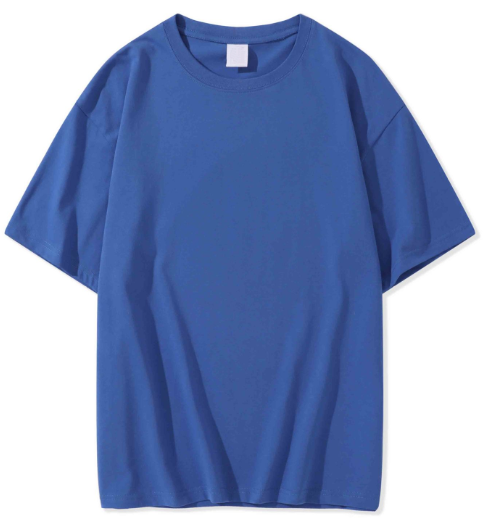
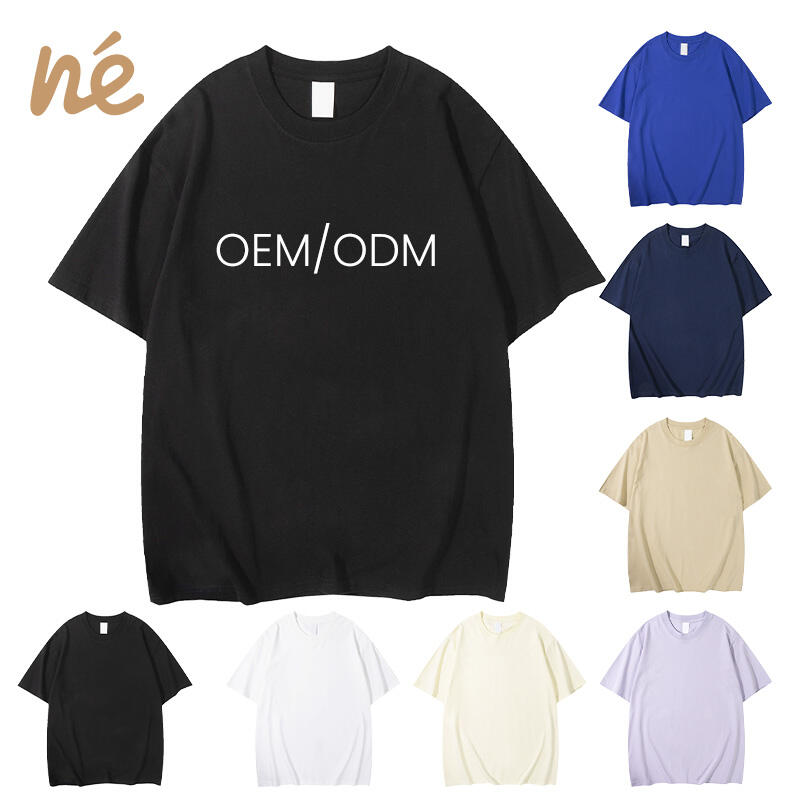
When selecting clothing essentials, the choice of fabric plays a crucial role in determining comfort, durability, and environmental impact. Organic cotton has emerged as a premium material option that offers numerous advantages over conventional alternatives, particularly for everyday wardrobe staples. Understanding these benefits can help consumers make informed decisions when purchasing their next garment. The growing awareness of sustainable fashion practices has led many individuals to seek out eco-friendly options that align with their values while maintaining style and comfort.

Understanding Organic Cotton Production
Cultivation Methods and Standards
Organic cotton production follows strict agricultural guidelines that prohibit the use of synthetic pesticides, herbicides, and genetically modified organisms. Farmers employ natural pest control methods, crop rotation techniques, and organic fertilizers to maintain soil health and produce high-quality fibers. These cultivation practices require certification from recognized organic standards organizations, ensuring that every step of the production process meets rigorous environmental and safety criteria. The certification process involves regular inspections and documentation to verify compliance with organic farming regulations.
The transition from conventional to organic cotton farming typically takes three years, during which farmers must follow organic practices while building soil fertility naturally. This period allows the land to recover from previous chemical treatments and establishes a sustainable ecosystem that supports beneficial insects and microorganisms. The resulting cotton fibers possess superior quality characteristics that translate into better-performing garments for consumers seeking premium clothing options.
Environmental Impact and Sustainability
Choosing organic cotton significantly reduces the environmental footprint associated with textile production. Conventional cotton farming consumes substantial amounts of water and relies heavily on chemical inputs that can contaminate soil and waterways. Organic cultivation methods preserve biodiversity, protect water resources, and maintain ecosystem balance through natural farming practices. The absence of synthetic chemicals prevents harmful runoff that could affect local communities and wildlife habitats.
Studies indicate that organic cotton production uses approximately 88% less water and 62% less energy compared to conventional methods. These resource savings contribute to reduced carbon emissions and help mitigate climate change impacts. Additionally, organic farming practices improve soil structure and water retention capacity, creating long-term benefits for agricultural sustainability. The positive environmental effects extend throughout the supply chain, from farm to finished garment production.
Health and Comfort Benefits
Hypoallergenic Properties
Organic cotton offers exceptional hypoallergenic properties that make it ideal for individuals with sensitive skin or allergies. The absence of chemical residues from pesticides and processing treatments reduces the risk of skin irritation and allergic reactions. This natural fiber allows for better air circulation and moisture management, creating a healthier microenvironment against the skin. People with conditions such as eczema or dermatitis often find organic cotton garments more comfortable for extended wear.
The gentle nature of organic cotton extends to its production process, which typically uses fewer harsh chemicals during manufacturing and finishing. This results in a t shirt for men that maintains its natural softness and breathability. The fiber structure remains intact without chemical damage, providing superior comfort and reducing the likelihood of skin sensitivity issues that can occur with conventionally processed textiles.
Breathability and Temperature Regulation
The natural properties of organic cotton fibers create exceptional breathability and temperature regulation capabilities. The porous structure of cotton allows air to circulate freely, helping to wick moisture away from the skin and maintain comfortable body temperature throughout the day. This makes organic cotton garments particularly suitable for active lifestyles and varying weather conditions. The natural fiber composition prevents the buildup of odor-causing bacteria by allowing proper ventilation.
Unlike synthetic materials that can trap heat and moisture, organic cotton adapts to environmental conditions and body temperature changes. The fiber's ability to absorb and release moisture quickly helps maintain dry comfort during physical activities or in humid conditions. This temperature regulation feature makes a t shirt for men made from organic cotton an excellent choice for year-round wear, providing comfort in both warm and cool climates.
Quality and Durability Advantages
Fiber Strength and Longevity
Organic cotton fibers typically exhibit superior strength and durability compared to conventionally grown cotton. The absence of chemical treatments during cultivation preserves the natural integrity of the fiber structure, resulting in stronger and more resilient threads. This enhanced durability translates into garments that maintain their shape, color, and texture through repeated washing and wearing cycles. The investment in organic cotton clothing often proves cost-effective over time due to extended garment lifespan.
The careful harvesting and processing methods used for organic cotton help preserve the fiber's natural elasticity and tensile strength. This results in garments that resist pilling, stretching, and other common signs of wear that can affect the appearance and fit of clothing items. A quality t shirt for men made from organic cotton will typically outlast similar garments made from conventional materials, providing better value for consumers seeking long-term wardrobe investments.
Color Retention and Appearance
Organic cotton's natural fiber structure provides an excellent foundation for dye absorption and color retention. The absence of chemical residues allows dyes to penetrate evenly and bond more effectively with the fiber, resulting in vibrant colors that resist fading over time. This superior color retention helps maintain the fresh appearance of garments throughout their lifespan. The natural properties of organic cotton also enhance the depth and richness of colors, creating more attractive finished products.
The processing methods used for organic cotton often involve lower-impact dyes and finishing treatments that complement the fiber's natural characteristics. This approach results in colors that appear more natural and maintain their integrity through washing and exposure to sunlight. Men seeking a t shirt for men that maintains its appearance over time will find that organic cotton options provide superior color stability and overall aesthetic longevity compared to conventional alternatives.
Economic and Social Considerations
Supporting Sustainable Agriculture
Purchasing organic cotton products directly supports farmers and communities committed to sustainable agricultural practices. This support helps maintain economic viability for organic farming operations and encourages the expansion of environmentally responsible cultivation methods. The premium pricing for organic cotton reflects the additional care and certification requirements involved in production, ensuring fair compensation for farmers who invest in sustainable practices.
The organic cotton market provides economic incentives for farmers to transition away from chemical-intensive agriculture, creating positive environmental and social impacts in rural communities. This transition often leads to improved working conditions, reduced health risks for farm workers, and enhanced economic stability for farming families. Consumer choices to purchase organic cotton garments contribute to a growing market that supports these positive changes in agricultural communities worldwide.
Fair Trade and Ethical Production
Many organic cotton producers participate in fair trade programs that ensure ethical labor practices and fair wages throughout the supply chain. These certifications provide additional assurance that garments are produced under socially responsible conditions. The combination of organic and fair trade standards creates a comprehensive approach to sustainable textile production that addresses both environmental and social concerns.
The transparency required for organic certification often extends to other aspects of production, including working conditions and labor practices. This increased accountability helps ensure that a t shirt for men made from organic cotton represents responsible manufacturing practices from farm to finished product. Consumers can feel confident that their purchasing decisions support ethical business practices and contribute to positive social impact in textile-producing regions.
Care and Maintenance Benefits
Easy Care Requirements
Organic cotton garments typically require simple care routines that align with environmentally conscious lifestyle choices. The natural fiber responds well to gentle washing methods and often requires less aggressive cleaning agents to maintain appearance and freshness. This reduced need for harsh detergents and special treatments makes organic cotton an economical choice for long-term garment care. The fiber's natural properties help resist odors and stains, reducing the frequency of washing required.
The durability of organic cotton allows for machine washing and drying without significant risk of damage or deterioration. Many organic cotton garments improve with washing, becoming softer and more comfortable over time while maintaining their structural integrity. This ease of care makes a t shirt for men crafted from organic cotton particularly practical for busy lifestyles where simple maintenance routines are preferred.
Chemical-Free Maintenance
The absence of chemical residues in organic cotton means that garments can be maintained using natural and eco-friendly cleaning products without compromising fiber integrity or performance. This compatibility with green cleaning methods supports overall environmental sustainability goals while ensuring effective garment care. The natural properties of organic cotton work synergistically with biodegradable detergents and fabric softeners.
Organic cotton's natural resistance to bacterial growth and odor retention reduces the need for antimicrobial treatments or fabric fresheners that contain synthetic chemicals. This characteristic allows for extended wear between washings while maintaining freshness and hygiene. The ability to maintain a t shirt for men using simple, natural care methods appeals to consumers seeking to minimize their exposure to synthetic chemicals in their daily routines.
Style and Versatility Options
Design Flexibility
Organic cotton provides designers and manufacturers with exceptional flexibility in creating various styles and fits. The fiber's natural drape and hand feel allow for diverse design approaches, from casual to formal applications. The material's ability to hold shape while providing comfort makes it suitable for a wide range of garment styles and construction techniques. This versatility ensures that consumers can find organic cotton options that match their personal style preferences.
The natural characteristics of organic cotton complement both classic and contemporary design aesthetics. The fiber's ability to accept various finishing treatments and construction methods allows for innovative approaches to garment design while maintaining the inherent benefits of organic materials. A well-designed t shirt for men in organic cotton can serve multiple wardrobe functions, from casual everyday wear to more refined occasions.
Wardrobe Integration
Organic cotton garments integrate seamlessly into existing wardrobes, providing foundational pieces that coordinate well with various other materials and styles. The natural appearance and feel of organic cotton complement both synthetic and natural fiber garments, creating cohesive outfit options. The neutral characteristics of organic cotton make it an excellent base layer or standalone piece that works across different seasons and occasions.
The timeless appeal of organic cotton ensures that investments in these garments remain relevant across changing fashion trends. The classic properties of cotton combined with organic production standards create pieces that maintain their appeal and functionality over extended periods. Men building sustainable wardrobes often choose a t shirt for men in organic cotton as a versatile foundation piece that provides lasting value and style flexibility.
FAQ
How does organic cotton differ from conventional cotton in terms of production
Organic cotton production prohibits the use of synthetic pesticides, herbicides, and genetically modified seeds, relying instead on natural farming methods such as crop rotation, beneficial insects, and organic fertilizers. This approach requires three-year transition periods for farms converting from conventional methods and involves regular certification inspections to ensure compliance with organic standards. The resulting cotton fibers are free from chemical residues and maintain superior natural properties.
Is organic cotton more expensive and is it worth the additional cost
Organic cotton typically costs more due to the intensive farming practices, certification requirements, and lower initial yields compared to conventional cotton. However, the investment often proves worthwhile due to superior durability, comfort, and environmental benefits. A quality t shirt for men made from organic cotton generally lasts longer and maintains its appearance better than conventional alternatives, providing better long-term value despite higher upfront costs.
Can people with sensitive skin safely wear organic cotton clothing
Organic cotton is excellent for sensitive skin because it contains no chemical residues from pesticides or harsh processing treatments that can cause irritation or allergic reactions. The natural fiber structure promotes breathability and moisture management, reducing the risk of skin problems associated with synthetic materials or chemically treated fabrics. Many dermatologists recommend organic cotton for individuals with eczema, dermatitis, or other skin sensitivities.
How should organic cotton garments be cared for to maintain their quality
Organic cotton garments can be machine washed using gentle cycles and mild, preferably natural detergents to preserve fiber integrity and environmental benefits. Avoid bleach and fabric softeners containing synthetic chemicals, as these can damage the natural fiber structure. Line drying or low-heat machine drying helps maintain shape and prevents shrinkage, while the natural properties of organic cotton often improve softness with proper care over time.