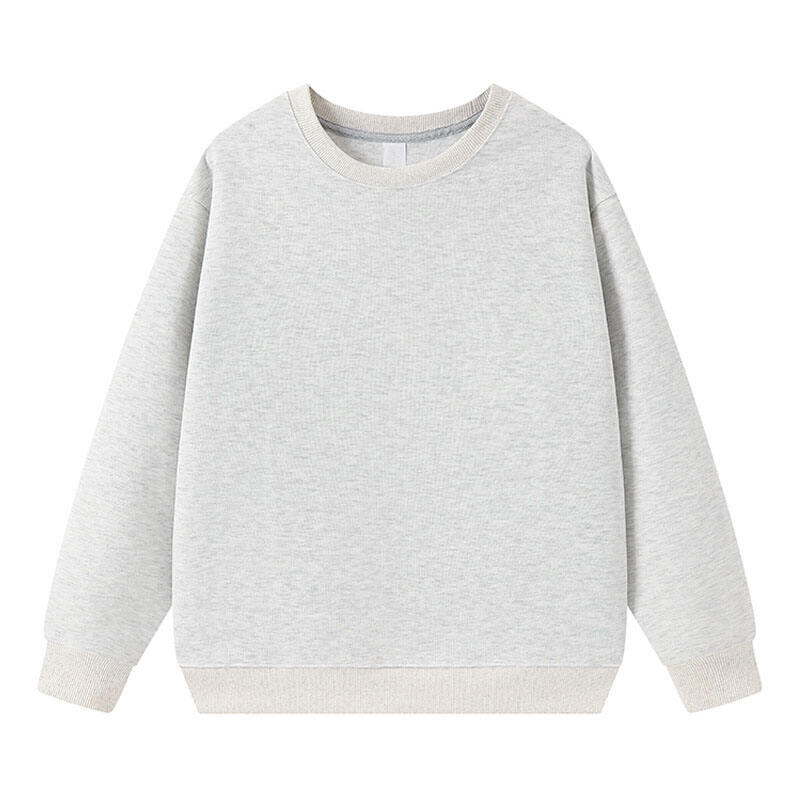

Sourcing high-quality wholesale sweatshirts requires careful evaluation of multiple factors that directly impact both your business reputation and customer satisfaction. As a retailer or business owner, establishing reliable quality control processes ensures you receive garments that meet your standards and justify your investment. Understanding the key quality indicators helps you make informed decisions when selecting wholesale suppliers and building long-term partnerships that drive consistent results.

Quality assessment begins before you even place an order, requiring systematic evaluation of supplier credentials, manufacturing processes, and material specifications. Professional wholesale suppliers should provide detailed product information, including fabric composition, weight specifications, and construction methods. This transparency demonstrates their commitment to quality and helps you establish realistic expectations for the garments you will receive.
Evaluating Fabric Quality and Composition
Understanding Fabric Weight and Density
Fabric weight serves as a primary indicator of sweatshirt quality, typically measured in grams per square meter (GSM) or ounces per yard. Premium wholesale sweatshirts generally feature weights between 280-400 GSM, providing the ideal balance of comfort, durability, and warmth. Lightweight options under 250 GSM may feel thin and provide inadequate insulation, while excessively heavy fabrics above 450 GSM can create bulky, uncomfortable garments that restrict movement.
Density affects both the sweatshirt's appearance and longevity, with tighter weaves offering superior resistance to pilling and stretching. High-quality suppliers provide detailed specifications about thread count and fabric construction, enabling you to compare options objectively. When evaluating samples, examine the fabric's hand feel and recovery properties by gently stretching small sections to assess elasticity and resilience.
Analyzing Fiber Content and Blends
Cotton content significantly influences comfort, breathability, and care requirements, with 100% cotton offering superior softness and moisture absorption. However, cotton-polyester blends provide enhanced durability and color retention while reducing shrinkage potential. Premium wholesale sweatshirts often feature 80/20 or 70/30 cotton-polyester ratios, combining natural comfort with synthetic performance benefits.
Examine fiber quality certificates and supplier documentation to verify material origins and processing methods. Reputable suppliers source cotton from established regions known for quality, such as Pima or Supima varieties that offer longer staple lengths and superior softness. Polyester components should meet industry standards for colorfastness and dimensional stability to ensure consistent performance across wash cycles.
Assessing Construction and Manufacturing Standards
Examining Seam Quality and Durability
Seam construction directly impacts garment longevity and professional appearance, requiring careful examination of stitching consistency and thread quality. High-quality wholesale sweatshirts feature reinforced seams at stress points, including shoulder joints, armholes, and side panels. Double-needle stitching provides superior strength compared to single-needle construction, particularly for garments intended for frequent wear and washing.
Thread quality affects both appearance and durability, with polyester threads offering excellent strength and color retention. Examine seam allowances to ensure adequate material for proper finishing and reduced fraying potential. Professional manufacturers maintain consistent stitch density throughout the garment, avoiding loose or overly tight sections that create weak points or puckering.
Evaluating Neckline and Cuff Construction
Neckline reinforcement prevents stretching and maintains shape throughout the garment's lifespan, requiring attention to ribbing quality and attachment methods. Premium sweatshirts feature pre-shrunk ribbing that matches the body fabric's shrinkage characteristics, preventing differential contraction during washing. Examine the neckline for consistent stitching and proper reinforcement tape application that distributes stress evenly.
Cuff and waistband construction affects both comfort and durability, with high-quality options featuring consistent ribbing thickness and proper elastic integration. Evaluate the elasticity recovery of cuffs by gently stretching and releasing to assess spring-back properties. Well-constructed cuffs maintain their shape without becoming loose or overly tight after repeated wear and washing cycles.
Implementing Quality Control Processes
Requesting and Evaluating Samples
Sample evaluation provides crucial insights into actual product quality before committing to larger orders, enabling comprehensive assessment of materials and construction. Request samples that represent your intended order specifications exactly, including size range, color options, and any customization requirements. Quality suppliers willingly provide samples and detailed technical specifications that demonstrate their confidence in product standards.
Conduct thorough sample testing including wash and wear trials to evaluate shrinkage, color retention, and durability characteristics. Document any quality concerns or variations from specifications to establish clear communication with suppliers about expectations. Professional evaluation should include measurements before and after washing to verify dimensional stability and assess care instruction accuracy.
Establishing Inspection Protocols
Systematic inspection protocols ensure consistency across all received shipments while identifying potential quality issues before distribution. Develop standardized checklists covering fabric quality, construction details, sizing accuracy, and overall appearance standards. Random sampling from each shipment provides statistical confidence while maintaining efficiency in quality control processes.
Document quality findings consistently to track supplier performance over time and identify trends that may indicate process improvements or declining standards. Establish clear quality thresholds and rejection criteria that protect your business reputation while maintaining fair supplier relationships. Regular communication about quality expectations helps suppliers understand your standards and continuously improve their processes.
Building Relationships with Reliable Suppliers
Researching Supplier Credentials and Certifications
Supplier verification protects your business from quality issues and potential compliance problems that could affect your market reputation. Research manufacturing certifications such as ISO 9001 quality management systems and industry-specific standards that demonstrate commitment to consistent processes. Verified suppliers often hold certifications for environmental standards, labor practices, and product safety that align with modern business requirements.
Evaluate supplier facilities and capabilities through virtual tours or third-party inspections when possible, assessing equipment quality and production capacity. Established suppliers provide references from existing clients and demonstrate stable business operations through consistent communication and reliable delivery performance. Financial stability indicators help ensure long-term partnership viability and reduced supply chain disruption risks.
Establishing Quality Agreements and Standards
Written quality agreements formalize expectations and provide clear recourse options when standards are not met, protecting both parties in business relationships. Detailed specifications should cover material requirements, construction standards, sizing tolerances, and acceptance criteria for received goods. Include provisions for quality testing, inspection procedures, and resolution processes for quality disputes that may arise.
Regular performance reviews maintain supplier accountability while identifying opportunities for process improvements and cost optimizations. Wholesale sweatshirts from established suppliers often exceed basic quality requirements when clear expectations are communicated and maintained consistently. Collaborative relationships benefit both parties through shared quality objectives and continuous improvement initiatives.
Testing and Validation Methods
Physical Testing and Durability Assessment
Physical testing validates quality claims and ensures products meet performance expectations under real-world conditions. Standardized tests for fabric strength, colorfastness, and dimensional stability provide objective quality measurements that support purchasing decisions. Professional testing services offer comprehensive evaluation when internal capabilities are limited, providing detailed reports about material performance characteristics.
Durability testing should simulate expected wear conditions including repeated washing, stretching, and abrasion exposure. Document testing results to establish baseline quality standards and track improvements or variations over time. Comprehensive testing protocols help identify potential issues before they affect customer satisfaction or generate return merchandise costs.
Color Matching and Consistency Verification
Color consistency across production batches ensures professional appearance and customer satisfaction, requiring systematic verification processes. Establish color standards using industry-standard reference systems and maintain consistent evaluation conditions including lighting and viewing angles. Digital color matching tools provide objective measurements that eliminate subjective interpretation variations between evaluators.
Batch-to-batch color variation should remain within acceptable tolerances established through supplier agreements and industry standards. Document color variations and communicate concerns promptly to suppliers for process adjustments. Consistent color quality demonstrates supplier reliability and reduces inventory complications from mismatched merchandise.
FAQ
What fabric weight should I look for in quality wholesale sweatshirts
Quality wholesale sweatshirts typically range from 280-400 GSM, with 320-350 GSM providing an ideal balance of comfort, durability, and warmth. Lighter weights may feel thin and provide inadequate insulation, while heavier options can become bulky and restrict movement. Consider your target market and intended use when selecting appropriate fabric weights for your inventory.
How can I verify supplier quality claims before placing large orders
Request detailed samples that match your exact specifications and conduct thorough testing including wash trials and durability assessments. Verify supplier certifications, manufacturing capabilities, and client references to establish credibility. Professional third-party inspection services can provide objective quality validation when internal resources are limited or additional verification is needed.
What are the most important seam construction features to evaluate
Focus on double-needle stitching at stress points, consistent thread quality, and adequate seam allowances that prevent fraying. Examine shoulder and armhole reinforcement, neckline construction, and cuff attachment quality. Professional construction features reinforced seams, pre-shrunk components, and consistent stitch density throughout the garment for optimal durability and appearance.
How do I establish effective quality control processes for ongoing orders
Develop standardized inspection checklists covering fabric quality, construction details, and sizing accuracy for consistent evaluation. Implement random sampling protocols and document quality findings to track supplier performance trends. Establish clear quality thresholds and maintain regular communication with suppliers about expectations and performance feedback to ensure continuous improvement.