Premium Clothing Merchandise Suppliers - Wholesale Apparel Distribution Solutions

  • Room 4001-1, Phoenix International Building, No. 33 Xinggui Street, Suzhou Industrial Park
  • +86-18451612153

Time: 9.00 am-4.00 pm

clothing merchandise suppliers

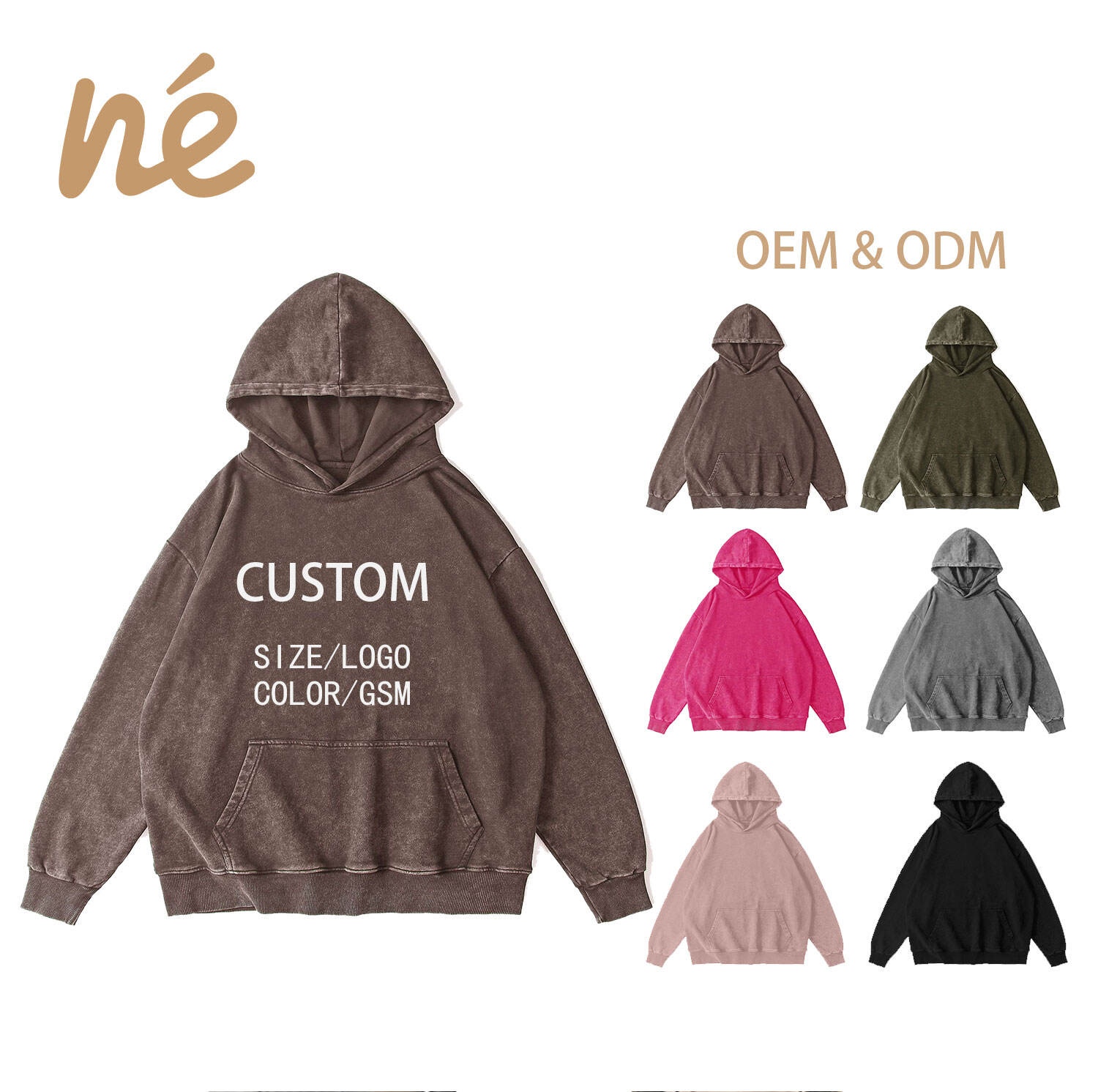
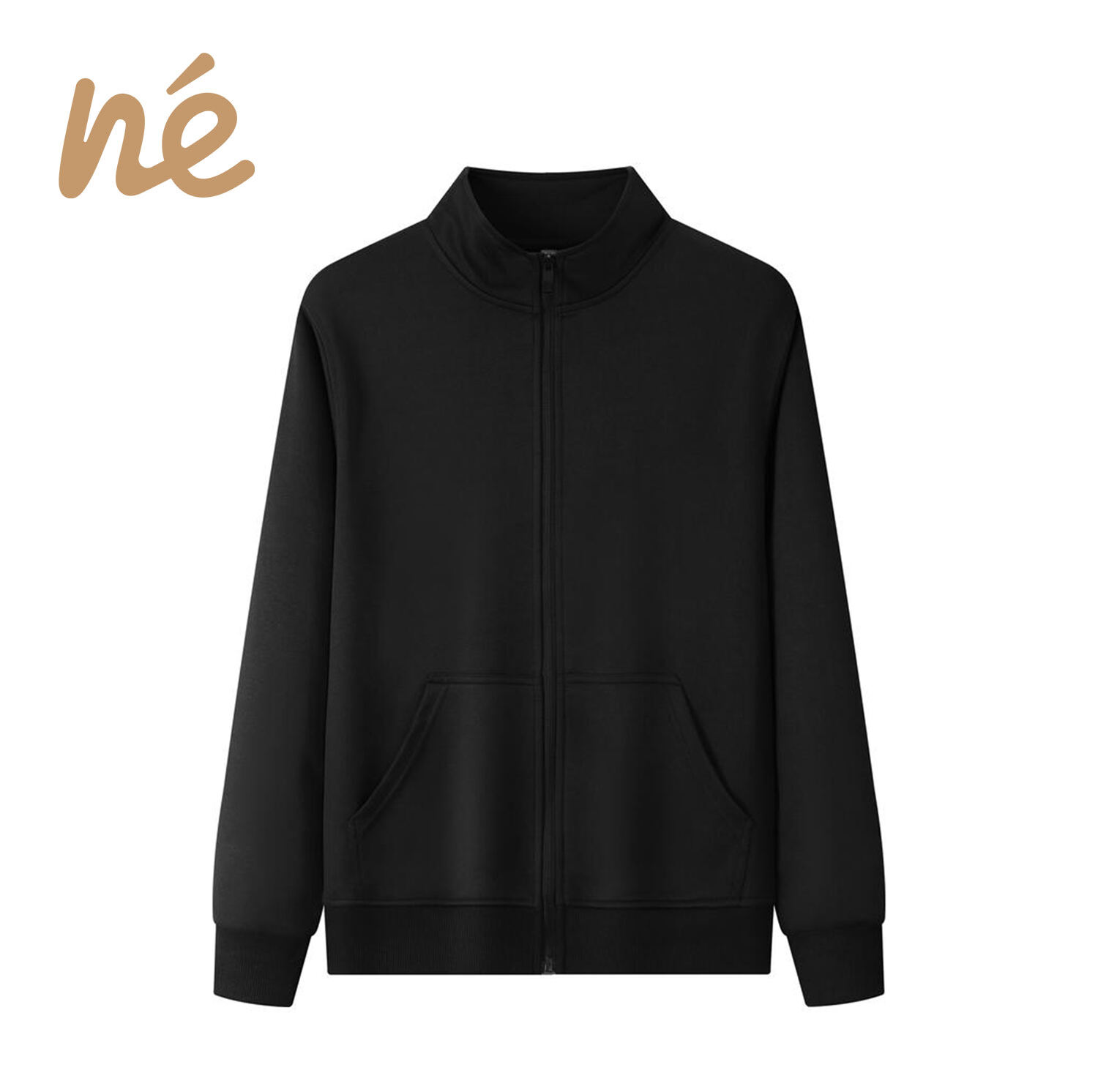
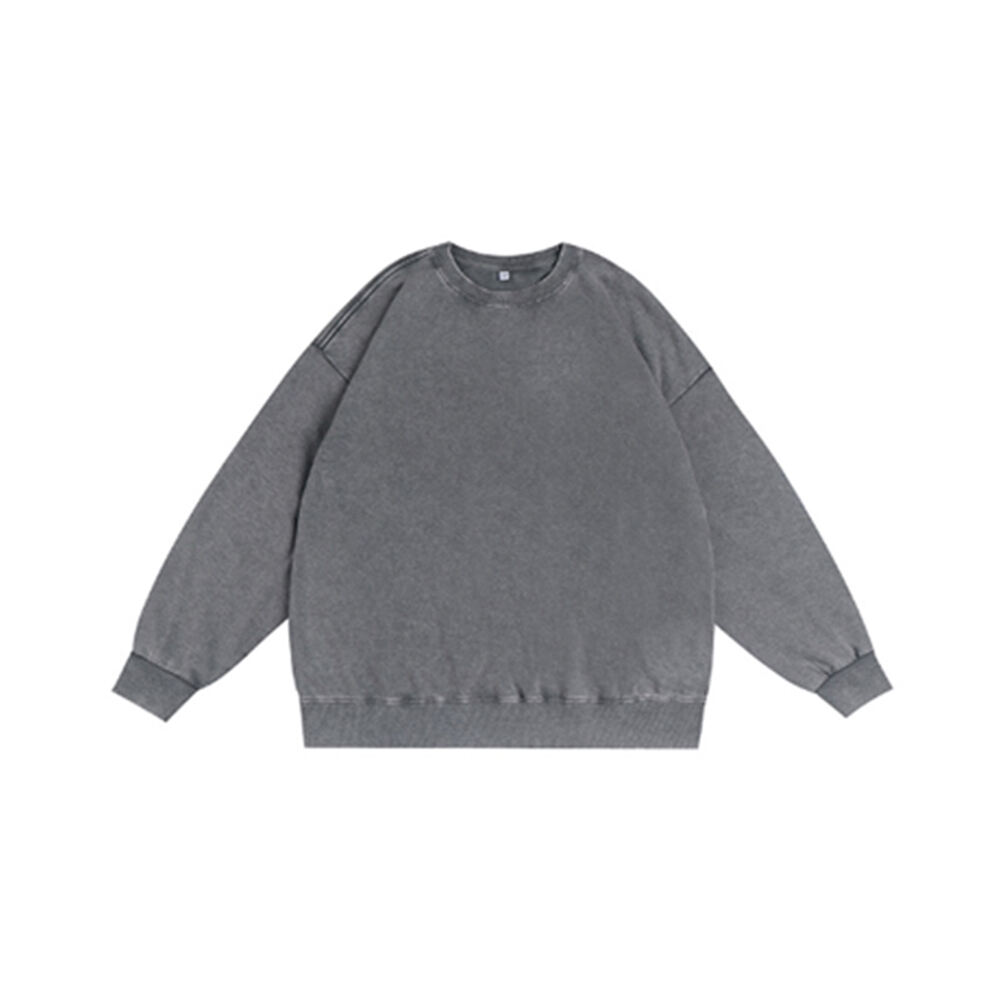
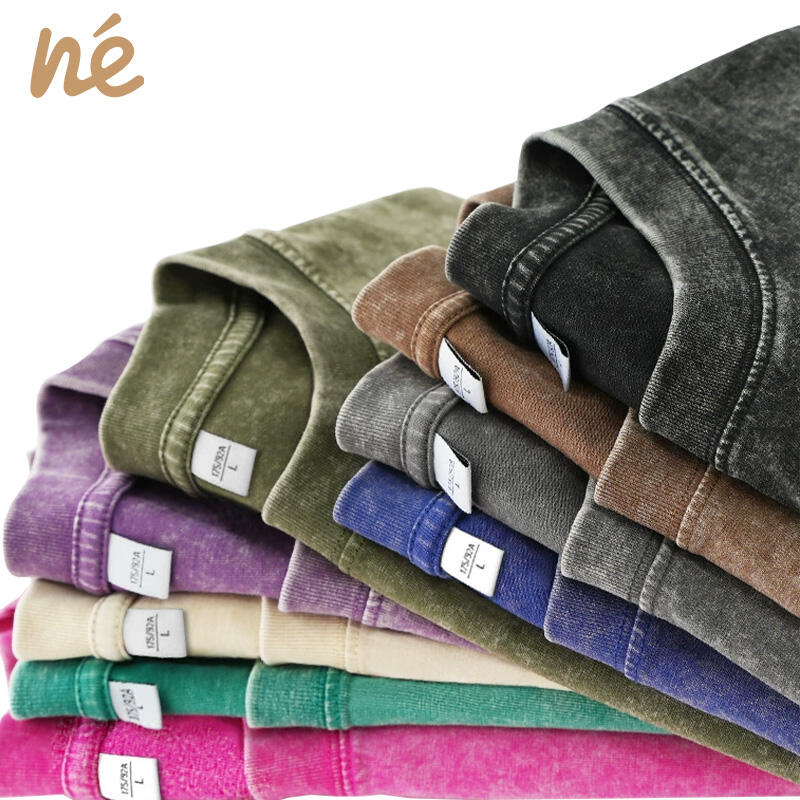
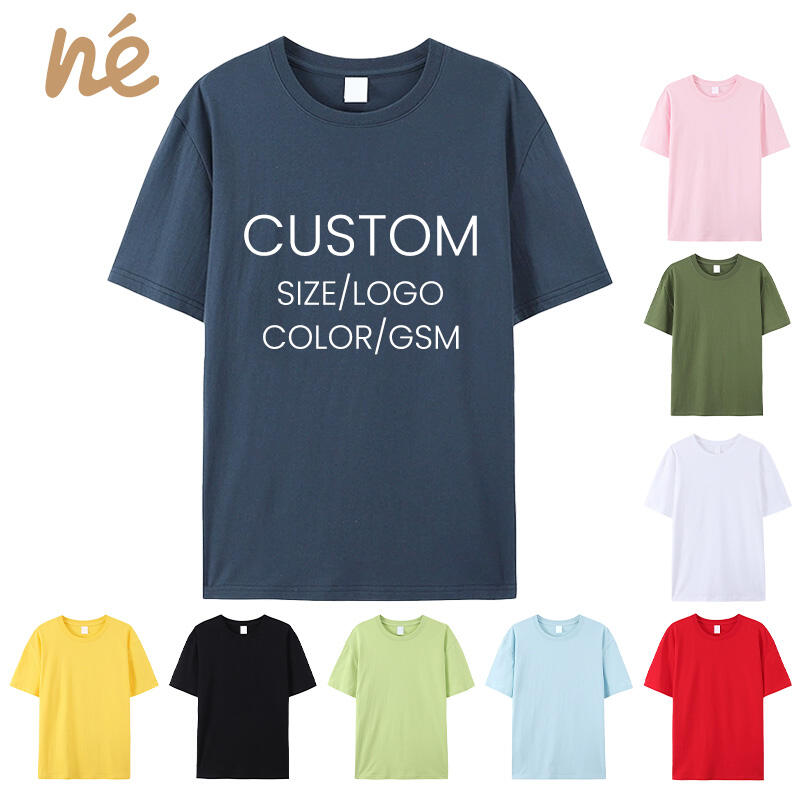
Clothing merchandise suppliers serve as the backbone of the fashion retail industry, providing comprehensive sourcing and distribution solutions for businesses seeking quality apparel products. These specialized companies bridge the gap between manufacturers and retailers, offering streamlined procurement processes that enable brands to access diverse clothing collections efficiently. Modern clothing merchandise suppliers utilize advanced inventory management systems that track product availability in real-time, ensuring consistent stock levels and reducing supply chain disruptions. Their technological infrastructure includes sophisticated order processing platforms that automate purchasing workflows and provide detailed analytics on sales performance and market trends. These suppliers maintain extensive networks of manufacturing partners across different regions, allowing them to offer competitive pricing while maintaining quality standards. Quality control measures are integrated throughout their operations, with dedicated inspection teams that verify product specifications before distribution. Many clothing merchandise suppliers now incorporate sustainable practices into their business models, partnering with eco-friendly manufacturers and promoting ethical production methods. Their digital catalogs feature thousands of clothing items ranging from basic essentials to trending fashion pieces, complete with detailed product descriptions, sizing charts, and high-resolution imagery. Customer service teams provide personalized support to help retailers make informed purchasing decisions and resolve any order-related issues promptly. The application scope of these suppliers extends across various retail segments, including department stores, boutiques, online marketplaces, and wholesale distributors. They offer flexible minimum order quantities to accommodate businesses of different scales, from small startups to large retail chains. Advanced data analytics capabilities help predict fashion trends and consumer preferences, enabling retailers to stock products that align with market demand and maximize sales potential.


New Product Releases

Working with professional clothing merchandise suppliers delivers substantial cost savings compared to direct manufacturer relationships, as these suppliers leverage bulk purchasing power to negotiate better prices that they pass on to their retail clients. This economic advantage allows smaller retailers to compete effectively with larger chains by accessing wholesale pricing typically reserved for high-volume buyers. The streamlined ordering process eliminates the complexity of managing multiple manufacturer relationships, as suppliers consolidate various brands and product lines into a single, easy-to-navigate platform. This consolidation significantly reduces administrative overhead and simplifies inventory management for busy retail operations. Time efficiency represents another major benefit, as clothing merchandise suppliers maintain ready-to-ship inventory that dramatically reduces lead times compared to custom manufacturing orders. Retailers can replenish popular items quickly to avoid stockouts and capitalize on sales opportunities without waiting weeks for production cycles. Risk mitigation becomes much more manageable when working with established suppliers who assume responsibility for quality control, shipping logistics, and product warranties. This transfer of responsibility protects retailers from potential manufacturing defects and delivery delays that could damage customer relationships. The diverse product selection available through these suppliers enables retailers to offer comprehensive clothing collections without the need to establish relationships with dozens of individual manufacturers. Access to trend forecasting and market intelligence helps retailers make data-driven purchasing decisions that align with consumer preferences and seasonal demands. Flexible payment terms and credit facilities offered by many suppliers improve cash flow management for growing businesses, allowing them to expand inventory without straining working capital. Technical support services, including product training and merchandising guidance, help retailers maximize the potential of their clothing inventory and improve sales performance. Return policies and exchange programs provide additional security for retailers, ensuring they can adjust their inventory based on actual sales performance rather than initial projections.

Latest News

How Do Oversized T Shirt Factories Maintain Consistent Quality?

23

Dec

How Do Oversized T Shirt Factories Maintain Consistent Quality?

Manufacturing high-quality oversized t-shirts requires precise coordination across multiple production stages, from fabric selection to final packaging. Modern oversized t shirt factories have developed sophisticated quality control systems that ensu...
View More
How Can I Buy Mens Plain Oversized T Shirts in Bulk?

10

Feb

How Can I Buy Mens Plain Oversized T Shirts in Bulk?

The demand for mens plain oversized t shirts has surged dramatically in recent years, driven by evolving fashion trends and the comfort-first mentality of modern consumers. Business owners, retailers, and entrepreneurs are increasingly seeking reliab...
View More
Can Mens Plain Oversized T Shirts Be Customized with Prints or Logos?

10

Feb

Can Mens Plain Oversized T Shirts Be Customized with Prints or Logos?

The fashion industry has witnessed a remarkable surge in demand for mens plain oversized t shirts, as these versatile garments have become essential staples in modern wardrobes. From streetwear enthusiasts to corporate professionals seeking comfortab...
View More
Can a Well-Made T-Shirt for Men with Reinforced Seams Survive Years of Regular Wear?

18

Mar

Can a Well-Made T-Shirt for Men with Reinforced Seams Survive Years of Regular Wear?

The durability of a quality t-shirt for men depends significantly on construction details, fabric quality, and manufacturing precision. While many consumers focus solely on price when purchasing basic apparel, understanding the engineering behind rei...
View More

Get a Free Quote

Our representative will contact you soon.
Email
Name
Company Name
Intended Products
WhatsApp/Tel
Message
0/1000

clothing merchandise suppliers

Advanced Technology Integration and Digital Platform Excellence

Advanced Technology Integration and Digital Platform Excellence

Modern clothing merchandise suppliers have revolutionized the industry through sophisticated technology platforms that transform how retailers source and manage their apparel inventory. These digital ecosystems feature intuitive interfaces that allow buyers to browse extensive product catalogs with advanced filtering options based on price range, style categories, fabric types, and seasonal collections. Real-time inventory tracking systems provide instant visibility into stock levels across multiple warehouses, preventing overselling and ensuring accurate delivery commitments. Automated reorder notifications help retailers maintain optimal stock levels by alerting them when popular items reach predetermined thresholds, enabling proactive inventory management that prevents lost sales opportunities. Mobile-responsive platforms ensure that busy retail managers can place orders and monitor shipments from anywhere, providing flexibility that modern business operations demand. Integration capabilities with popular retail management systems streamline data flow between supplier platforms and existing business software, eliminating duplicate data entry and reducing human error risks. Advanced analytics dashboards provide comprehensive insights into purchasing patterns, seasonal trends, and product performance metrics that help retailers optimize their buying strategies. Clothing merchandise suppliers invest heavily in cybersecurity measures to protect sensitive business information and payment data, implementing encryption protocols and secure authentication systems that meet industry standards. Artificial intelligence algorithms analyze vast amounts of market data to predict upcoming trends and recommend products that align with specific customer demographics and geographic preferences. These technological advances enable clothing merchandise suppliers to offer personalized shopping experiences that rival those of major e-commerce platforms, while maintaining the relationship-focused service that distinguishes them from purely transactional online marketplaces.
Comprehensive Quality Assurance and Reliability Standards

Comprehensive Quality Assurance and Reliability Standards

Quality assurance represents a cornerstone of successful clothing merchandise suppliers, who implement rigorous testing and inspection protocols that ensure every product meets stringent standards before reaching retail customers. Multi-stage quality control processes begin with supplier vetting, where potential manufacturing partners undergo thorough evaluations of their production facilities, quality systems, and compliance certifications. Incoming inspection procedures verify that received merchandise matches specified requirements for fabric composition, construction quality, sizing accuracy, and color consistency. Random sampling protocols ensure representative quality assessment across large shipments, while statistical analysis identifies potential quality trends that require corrective action. Clothing merchandise suppliers maintain detailed quality documentation that provides traceability throughout the supply chain, enabling quick identification and resolution of any quality issues that may arise. Specialized testing equipment validates fabric properties such as colorfastness, shrinkage resistance, and durability under various conditions, ensuring that products will perform as expected in consumer use. Partnership agreements with certified testing laboratories provide additional verification for products requiring specific performance characteristics or compliance with industry regulations. Return and exchange policies demonstrate confidence in product quality while providing retailers with recourse options when quality issues occur despite comprehensive prevention measures. Continuous improvement programs incorporate feedback from retailers and end consumers to refine quality standards and address emerging market expectations. Supplier education initiatives help manufacturing partners understand and implement quality requirements consistently across their operations. Regular audits of manufacturing facilities ensure ongoing compliance with quality standards and identify opportunities for process improvements. Quality metrics tracking enables clothing merchandise suppliers to monitor performance trends and implement proactive measures to maintain high standards across their entire product portfolio.
Global Supply Chain Management and Logistics Excellence

Global Supply Chain Management and Logistics Excellence

Exceptional supply chain management distinguishes leading clothing merchandise suppliers through their ability to coordinate complex global networks while maintaining efficiency and reliability throughout the distribution process. Strategic warehouse locations across key geographic regions enable faster delivery times and reduced shipping costs for retailers regardless of their location. Sophisticated inventory allocation systems optimize stock distribution across multiple facilities based on regional demand patterns and seasonal variations, ensuring product availability where and when it is needed most. Cross-docking capabilities allow for rapid redistribution of products between warehouses to balance inventory levels and respond quickly to unexpected demand surges in specific markets. International shipping expertise navigates complex customs regulations and trade requirements, ensuring smooth clearance of imported merchandise while minimizing delays and additional costs. Clothing merchandise suppliers maintain relationships with multiple logistics partners, providing redundancy that protects against service disruptions and ensures consistent delivery performance. Advanced tracking systems provide real-time visibility into shipment status from order placement through final delivery, enabling proactive communication about any potential delays or issues. Packaging optimization reduces shipping costs while ensuring adequate protection for clothing items during transit, with specialized handling procedures for delicate or high-value merchandise. Seasonal capacity planning ensures adequate logistics resources during peak shopping periods when order volumes typically increase significantly. Sustainability initiatives in logistics operations include carbon footprint reduction programs and packaging material recycling efforts that appeal to environmentally conscious retailers and consumers. Emergency response protocols enable rapid reaction to supply chain disruptions caused by weather events, transportation strikes, or other unforeseen circumstances. Integration with retailer receiving systems streamlines the delivery process and reduces handling time at destination facilities, improving overall supply chain efficiency for all parties involved.

Get a Free Quote

Our representative will contact you soon.
Email
Name
Company Name
Intended Products
WhatsApp/Tel
Message
0/1000