

The durability of a quality t-shirt for men depends significantly on construction details, fabric quality, and manufacturing precision. While many consumers focus solely on price when purchasing basic apparel, understanding the engineering behind reinforced seams and premium materials reveals why some garments withstand years of regular wear while others deteriorate within months. The longevity of a well-constructed t-shirt for men extends far beyond initial appearance, encompassing factors like thread quality, seam placement, fabric weight, and finishing techniques that collectively determine whether a garment becomes a wardrobe staple or a disposable item.
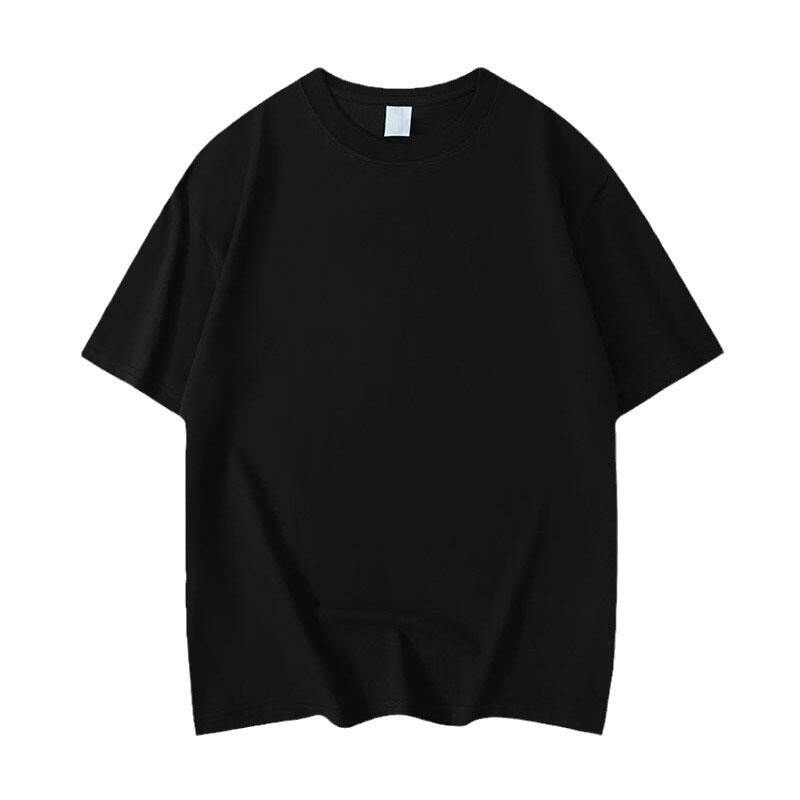
Understanding Reinforced Seam Construction
Double-Stitched Seam Technology
Reinforced seams represent the backbone of durable t-shirt for men construction, utilizing double-stitching techniques that create multiple layers of thread security. This advanced construction method involves running two parallel lines of stitching along critical stress points, including shoulder seams, side seams, and sleeve attachments. Professional manufacturers employ specialized industrial machines that maintain consistent stitch density while ensuring proper thread tension throughout the entire seaming process. The result is a t-shirt for men that can withstand repeated stretching, washing, and general wear without experiencing seam failure or unraveling at critical junction points.
The engineering precision required for effective double-stitching involves careful consideration of thread gauge, needle selection, and fabric compatibility. High-quality manufacturers utilize polyester-core cotton threads that combine the natural feel of cotton with the strength characteristics of synthetic fibers. This hybrid approach ensures that seams maintain their integrity while preserving the comfortable hand-feel that consumers expect from a premium t-shirt for men. Additionally, proper seam allowances prevent fabric fraying and provide sufficient material for the double-stitching process to create lasting structural integrity.
Stress Point Reinforcement Strategies
Critical stress points in a t-shirt for men require specialized reinforcement techniques that go beyond standard seaming methods. Shoulder seams experience the highest tension during regular wear, particularly when lifting arms or carrying bags, making them prime candidates for additional reinforcement through tape seaming or bar-tack stitching. Professional manufacturers identify these high-stress areas through wear-testing protocols that simulate years of typical usage patterns, allowing them to implement targeted reinforcement strategies that extend garment lifespan significantly.
Sleeve attachment points represent another critical area where reinforcement techniques prove essential for long-term durability. Advanced construction methods include flat-fell seams that encase raw fabric edges within the seam structure, eliminating potential failure points while creating a clean, professional appearance. These specialized seaming techniques require precise machinery calibration and skilled operators who understand the relationship between fabric properties, thread selection, and stitching parameters that ultimately determine whether a t-shirt for men will maintain its structural integrity through years of regular use.
Fabric Quality and Composition Analysis
Cotton Fiber Grade Selection
The foundation of any durable t-shirt for men begins with careful cotton fiber selection, where staple length, fiber strength, and processing methods directly impact final garment quality. Premium manufacturers source long-staple cotton varieties that provide superior strength characteristics while maintaining the soft, breathable properties consumers associate with quality casual wear. These longer fibers create stronger yarn structures that resist breaking under tension, contributing significantly to the overall durability of the finished t-shirt for men. Fiber selection also influences fabric hand-feel, moisture management, and color retention properties that affect long-term wearability.
Ring-spun cotton processing techniques further enhance fiber alignment and yarn strength compared to conventional open-end spinning methods. This specialized processing creates denser, more uniform yarn structures that translate into fabric with improved tensile strength and reduced pilling tendency. A quality t-shirt for men manufactured from ring-spun cotton typically demonstrates superior wash durability and maintains its original appearance longer than garments produced from standard cotton yarns. The investment in premium fiber processing reflects directly in garment longevity and customer satisfaction over extended wear periods.
Fabric Weight and Density Considerations
Fabric weight specifications play a crucial role in determining the durability and longevity of any t-shirt for men, with heavier constructions generally providing better resistance to wear and tear. Professional manufacturers typically utilize fabric weights ranging from 160 to 220 GSM (grams per square meter) for premium casual wear, striking an optimal balance between durability and comfort. Lighter fabrics may offer superior breathability but often sacrifice structural integrity, while excessively heavy constructions can compromise comfort and drape characteristics that consumers expect from quality casual apparel.
Fabric density measurements, including thread count and knit tightness, directly influence the ability of a t-shirt for men to maintain its shape and appearance through repeated wear cycles. Tighter knit constructions resist stretching and distortion while providing better coverage and opacity, factors that contribute significantly to garment longevity. However, achieving optimal density requires careful balance to maintain fabric flexibility and comfort, as overly tight constructions can restrict natural body movement and reduce wearing comfort. Professional manufacturers employ sophisticated testing protocols to optimize fabric specifications for maximum durability without compromising wearability.
Manufacturing Process Quality Control
Industrial Equipment and Precision Standards
Modern manufacturing facilities producing high-quality t-shirt for men items utilize sophisticated industrial equipment that maintains consistent quality standards throughout the production process. Computer-controlled cutting systems ensure precise pattern pieces with minimal fabric waste while maintaining exact specifications for seam allowances and fit parameters. These advanced systems eliminate human error in critical measurement processes, resulting in garments that meet strict quality standards for durability and construction integrity. Professional manufacturers invest heavily in equipment maintenance and calibration procedures that ensure consistent performance across large production runs.
Automated stitching systems employed in quality facilities maintain precise stitch density and tension control that human operators cannot achieve consistently. These sophisticated machines monitor thread tension, needle penetration depth, and feed rates in real-time, making automatic adjustments to maintain optimal seaming conditions. The result is a t-shirt for men with consistent seam quality that meets professional durability standards throughout the entire garment. Quality control protocols include regular equipment inspection, preventive maintenance schedules, and operator training programs that ensure manufacturing consistency over extended production periods.
Quality Assurance Testing Protocols
Comprehensive quality assurance programs implemented by reputable manufacturers include extensive testing protocols that evaluate multiple durability factors before any t-shirt for men reaches the market. Tensile strength testing measures fabric and seam resistance to pulling forces, while abrasion resistance testing simulates long-term wear patterns to identify potential failure points. Wash durability testing subjects sample garments to accelerated washing cycles that simulate years of typical home care, ensuring that construction methods and materials will maintain their integrity through normal use patterns.
Color fastness testing ensures that dyes and printing remain stable through repeated washing and exposure to various environmental conditions. Professional testing laboratories evaluate fade resistance, bleeding tendencies, and color migration patterns that could affect the long-term appearance of a t-shirt for men. Dimensional stability testing measures fabric shrinkage and distortion characteristics under various care conditions, providing manufacturers with data necessary to specify appropriate pre-shrinking treatments and care instructions. These comprehensive testing protocols ensure that quality garments meet or exceed consumer expectations for durability and appearance retention.
Care and Maintenance Impact on Longevity
Washing Technique Optimization
Proper care techniques significantly extend the lifespan of any well-constructed t-shirt for men, with washing practices representing the most critical factor in maintaining garment integrity over time. Cold water washing protects fabric fibers from thermal damage while preventing excessive dye bleeding that can affect color vibrancy and uniformity. Professional textile care specialists recommend using gentle detergents formulated for cotton fabrics, avoiding harsh chemicals that can weaken fiber structures and compromise seam integrity. Additionally, turning garments inside-out before washing protects printed or embellished surfaces from abrasion damage during the wash cycle.
Machine settings play a crucial role in preserving the structural integrity of a quality t-shirt for men throughout its useful life. Gentle or delicate wash cycles reduce mechanical stress on fabrics and seams while still providing adequate cleaning performance for typical soil levels. Avoiding overloading washing machines allows garments to move freely during the wash cycle, preventing excessive stretching and distortion that can permanently damage fabric structure. Professional laundry services often employ specialized equipment and techniques that extend garment life significantly compared to typical home washing practices.
Drying and Storage Best Practices
Heat exposure during the drying process represents one of the most damaging factors affecting the longevity of any t-shirt for men, with high-temperature drying causing fiber shrinkage, weakening, and premature aging. Air drying remains the optimal method for preserving fabric integrity and maintaining original fit characteristics, though this approach requires adequate time and space for proper moisture evaporation. When machine drying becomes necessary, low-heat settings combined with moisture sensors prevent over-drying that can make fabrics brittle and prone to cracking or tearing. Professional cleaners often utilize specialized drying techniques that minimize heat exposure while ensuring complete moisture removal.
Proper storage techniques prevent unnecessary stress on fabric and seam structures that can lead to premature wear patterns in a quality t-shirt for men. Folding along natural seam lines prevents creasing that can weaken fabric fibers, while avoiding overcrowded storage conditions prevents excessive compression that can affect fabric recovery properties. Cedar blocks or lavender sachets provide natural pest protection without introducing chemical treatments that might affect fabric performance. Climate-controlled storage environments prevent moisture fluctuations that can promote mildew growth or cause dimensional changes in cotton fabrics over extended storage periods.
Economic Value and Cost Analysis
Initial Investment Versus Lifetime Value
The economic analysis of purchasing a premium t-shirt for men reveals significant long-term value advantages when compared to repeatedly replacing lower-quality alternatives. High-quality garments with reinforced construction typically cost two to three times more than basic alternatives, but their extended lifespan often provides superior cost-per-wear ratios over extended periods. Professional wardrobe consultants frequently recommend investing in fewer, higher-quality pieces rather than purchasing multiple low-cost items that require frequent replacement due to premature wear or construction failures.
Total cost of ownership calculations must include factors beyond initial purchase price, including care and maintenance expenses, replacement frequency, and the intangible value of consistent appearance and comfort. A well-constructed t-shirt for men that maintains its appearance and fit through years of regular wear provides ongoing value that extends beyond simple durability measurements. Professional buyers often evaluate garment purchases based on projected usage patterns and replacement cycles, recognizing that quality construction represents a sound economic investment for frequently worn items.
Brand Reputation and Manufacturing Standards
Established manufacturers with proven track records in producing durable apparel typically implement comprehensive quality control systems that ensure consistent performance across their product lines. These companies invest significantly in research and development programs that continuously improve construction techniques and material selection processes for their t-shirt for men offerings. Brand reputation often reflects accumulated customer experience data that provides reliable indicators of product durability and satisfaction levels, helping consumers make informed purchasing decisions based on documented performance history.
Manufacturing certifications and industry standards compliance provide additional assurance that quality control processes meet or exceed established benchmarks for construction quality and durability. Professional manufacturers often pursue certifications from recognized testing organizations that validate their quality control systems and manufacturing capabilities. These certifications provide consumers with objective evidence that a particular t-shirt for men meets established industry standards for construction quality, material specifications, and durability testing requirements. The investment in certification processes reflects manufacturer commitment to maintaining consistent quality standards across their production operations.
FAQ
How long should a quality t-shirt for men with reinforced seams last with regular wear
A well-constructed t-shirt for men featuring reinforced seams and quality materials should provide 3-5 years of regular wear when properly cared for and worn 1-2 times per week. Factors affecting longevity include fabric weight, construction quality, care practices, and usage intensity. Premium garments with double-stitched seams, ring-spun cotton construction, and professional finishing typically exceed this timeframe, while lower-quality alternatives may show wear signs within 6-12 months. Regular inspection of seam integrity and fabric condition helps identify potential issues before they compromise garment usability.
What are the key indicators of superior construction quality in men's t-shirts
Superior construction quality in a t-shirt for men is evident through consistent stitch density, reinforced stress points, smooth seam finishes, and proper fabric grain alignment. Quality indicators include double-stitched seams at shoulders and sides, reinforced sleeve attachments, neat hem finishes, and absence of loose threads or uneven stitching. Fabric quality signs include uniform weight distribution, consistent dye penetration, and appropriate stretch recovery characteristics. Professional manufacturers also provide detailed care instructions and fabric composition information that reflects their confidence in construction quality and durability expectations.
How do fabric weight specifications affect t-shirt durability and comfort
Fabric weight significantly impacts both durability and comfort characteristics of any t-shirt for men, with heavier constructions generally providing better longevity at the expense of breathability and drape. Optimal fabric weights for casual wear typically range from 160-200 GSM, providing adequate durability while maintaining comfortable wearing properties. Lighter fabrics below 140 GSM may feel more comfortable but often sacrifice structural integrity, while weights above 220 GSM can feel stiff and restrict natural body movement. The best manufacturers balance fabric weight with knit structure and finishing techniques to optimize both durability and comfort characteristics.
What maintenance practices most significantly extend t-shirt lifespan
The most impactful maintenance practices for extending t-shirt for men lifespan include cold-water washing, gentle machine cycles, air drying when possible, and proper storage techniques. Avoiding harsh detergents, fabric softeners, and high-heat drying prevents fiber damage and maintains fabric integrity over extended periods. Turning garments inside-out before washing protects surface treatments and reduces abrasion damage, while prompt stain treatment prevents permanent discoloration. Regular inspection for loose threads, small holes, or seam stress allows for early repairs that prevent minor issues from becoming major failures requiring garment replacement.
Table of Contents
- Understanding Reinforced Seam Construction
- Fabric Quality and Composition Analysis
- Manufacturing Process Quality Control
- Care and Maintenance Impact on Longevity
- Economic Value and Cost Analysis
-
FAQ
- How long should a quality t-shirt for men with reinforced seams last with regular wear
- What are the key indicators of superior construction quality in men's t-shirts
- How do fabric weight specifications affect t-shirt durability and comfort
- What maintenance practices most significantly extend t-shirt lifespan