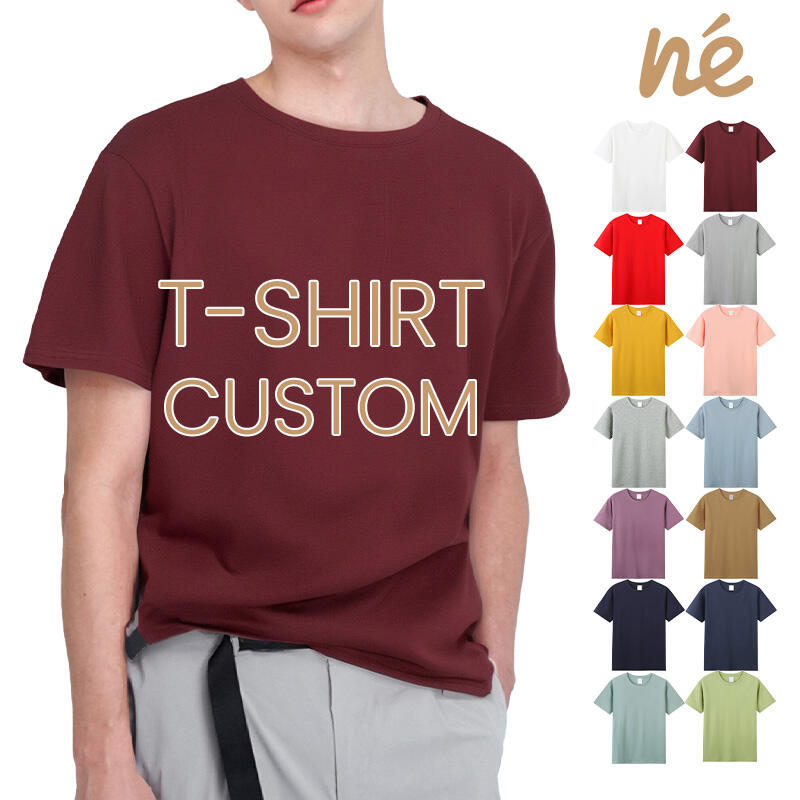
Custom t-shirt printing has revolutionized the apparel industry, offering businesses and individuals countless opportunities to express creativity while building brand recognition. Whether you're launching a new clothing line, creating promotional merchandise, or designing personalized gifts, understanding the various printing methods available is crucial for achieving professional results. The three most popular techniques—screen printing, direct-to-garment (DTG), and sublimation—each offer distinct advantages depending on your specific requirements, budget, and design complexity.
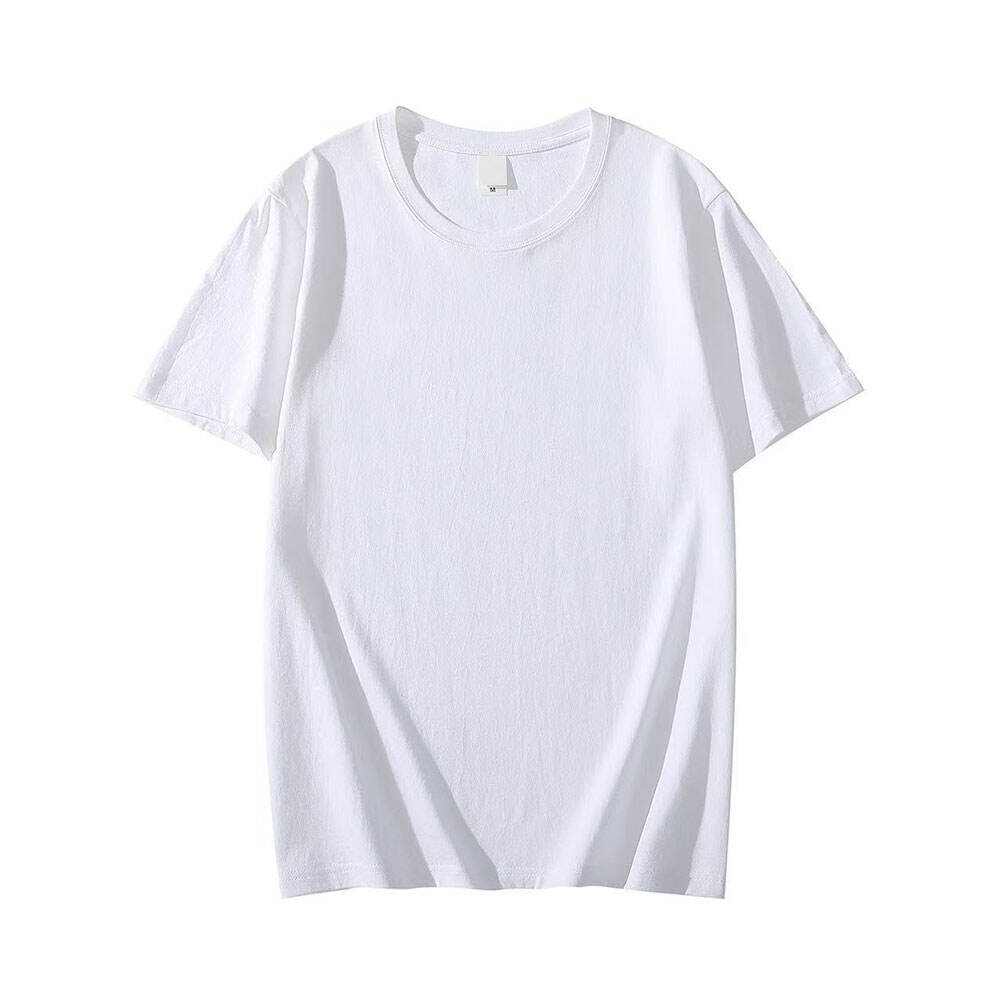
Modern printing technology has transformed how we approach custom apparel production, making it more accessible and cost-effective than ever before. Each printing method brings unique characteristics that can significantly impact the final product's appearance, durability, and overall quality. Understanding these differences empowers you to make informed decisions that align with your project goals and customer expectations.
Screen Printing Fundamentals and Applications
Traditional Screen Printing Process
Screen printing remains one of the most widely used methods for custom t-shirt printing, particularly for large-volume orders and simple designs. This technique involves creating a stencil, called a screen, through which ink is pressed onto the fabric using a squeegee. The process requires separate screens for each color in the design, making it ideal for artwork with limited color palettes. Screen printing excels in producing vibrant, opaque colors that maintain their intensity even after multiple washes.
The durability of screen-printed designs is exceptional, with properly cured inks lasting through hundreds of wash cycles without significant fading or cracking. This longevity makes screen printing the preferred choice for uniforms, work apparel, and promotional items that require long-lasting brand visibility. The technique works best on cotton and cotton-blend fabrics, where the ink can properly bond with the fiber structure.
Cost Considerations and Volume Requirements
Screen printing becomes increasingly cost-effective as order quantities increase, primarily due to the setup costs associated with creating screens for each color. While the initial investment may seem substantial for small orders, the per-unit cost decreases dramatically with higher volumes. This economic scaling makes screen printing the go-to choice for businesses requiring hundreds or thousands of identical custom t-shirt printing projects.
The break-even point typically occurs around 50-100 pieces, depending on the design complexity and local market rates. For orders exceeding 200 units, screen printing often provides the most economical solution while maintaining superior print quality. However, businesses must consider the time investment required for screen preparation and setup when planning production schedules.
Direct-to-Garment Technology and Benefits
Digital Printing Innovation
Direct-to-garment printing represents a significant advancement in custom t-shirt printing technology, utilizing specialized inkjet printers designed specifically for fabric applications. This method allows for incredibly detailed designs with unlimited colors, gradients, and photographic imagery that would be impossible or prohibitively expensive with traditional screen printing. DTG printers apply water-based inks directly onto the fabric surface, creating prints that feel soft and breathable against the skin.
The digital nature of DTG printing eliminates the need for screens or setup processes, making it perfect for small runs, samples, or one-off custom pieces. Design modifications can be made instantly without additional tooling costs, providing unparalleled flexibility for businesses offering personalized products or testing new designs before committing to larger production runs.
Quality and Texture Characteristics
DTG printing produces exceptionally soft prints that integrate seamlessly with the fabric texture, avoiding the thick, plasticky feel sometimes associated with other printing methods. The water-based inks penetrate the fabric fibers rather than sitting on top, resulting in a more natural hand-feel that many customers prefer for casual wear and fashion applications. This characteristic makes DTG particularly appealing for retail clothing brands focused on comfort and wearability.
Color reproduction accuracy in DTG printing surpasses most other methods, making it ideal for reproducing artwork, photographs, or designs requiring precise color matching. The technology excels at handling complex gradients, fine details, and designs with numerous colors that would be cost-prohibitive using traditional screen printing techniques.
Sublimation Printing Excellence
Heat Transfer Technology
Sublimation printing offers a unique approach to custom t-shirt printing by using heat and pressure to transform special dyes from solid to gas states, allowing them to penetrate synthetic fabric fibers at the molecular level. This process creates incredibly vibrant, permanent prints that cannot fade, crack, or peel because the dye becomes part of the fabric itself. Custom t-shirt printing through sublimation works exclusively with polyester fabrics or specially coated surfaces.
The sublimation process begins with printing the design onto special transfer paper using sublimation inks. The printed transfer is then placed against the polyester garment and subjected to high heat and pressure, typically around 400°F for 45-60 seconds. During this process, the solid dye particles transform into gas and penetrate the polyester fibers, creating a permanent bond that maintains its vibrancy indefinitely.
Performance and Durability Advantages
Sublimated prints offer unmatched durability and color fastness, making them ideal for athletic wear, activewear, and outdoor apparel where moisture-wicking properties and colorfastness are essential. The prints maintain their appearance through countless wash cycles, exposure to chlorine, and UV light without showing signs of wear or degradation. This exceptional durability makes sublimation the preferred choice for sports teams, fitness brands, and outdoor recreation companies.
The breathability of sublimated garments remains uncompromised since no additional layers or coatings are applied to the fabric surface. This characteristic is particularly valuable for performance apparel where moisture management and temperature regulation are critical for user comfort and performance. The printing process also allows for full-coverage designs, including all-over prints that extend to the seams and edges of the garment.
Choosing the Right Method for Your Project
Design Complexity Assessment
Selecting the optimal custom t-shirt printing method requires careful evaluation of your design characteristics, including color count, detail level, and artistic complexity. Simple designs with one to four solid colors typically favor screen printing for its cost-effectiveness and durability. Designs featuring photographic elements, gradients, or intricate details benefit from DTG printing's unlimited color capabilities and fine detail reproduction.
Consider the intended use and lifespan of your printed garments when making method selections. Promotional items and uniforms requiring long-term durability often justify the investment in screen printing, while fashion items and limited-edition releases may benefit from DTG's flexibility and soft hand-feel. Sublimation excels for activewear and performance garments where durability and moisture management are priorities.
Budget and Timeline Considerations
Budget constraints and production timelines significantly influence printing method selection for custom t-shirt printing projects. Screen printing requires longer lead times due to screen preparation but offers lower per-unit costs for large orders. DTG printing provides faster turnaround times with minimal setup but carries higher per-unit costs that remain constant regardless of order size.
Sublimation printing falls somewhere between these extremes, offering reasonable per-unit costs for medium-volume orders while maintaining excellent print quality and durability. Consider the total project cost, including setup fees, per-unit pricing, and any rush charges when comparing methods. Factor in the value of time-to-market advantages that DTG printing provides for test marketing or seasonal campaigns.
Quality Control and Best Practices
Pre-Production Testing
Successful custom t-shirt printing projects begin with thorough pre-production testing to ensure optimal results across all chosen printing methods. Create samples using your intended fabric, ink systems, and curing processes to identify potential issues before full production begins. Test wash durability, color fastness, and print adhesion using standardized industry protocols to verify that your chosen method meets quality expectations.
Document optimal settings for temperature, pressure, time, and ink coverage for each printing method to ensure consistent results throughout production runs. Maintain detailed records of successful combinations for future reference and troubleshooting. Regular calibration of printing equipment and color management systems helps maintain consistency across multiple production batches.
Post-Production Care Instructions
Proper care instructions significantly impact the longevity and appearance of custom t-shirt printing regardless of the method used. Provide customers with detailed washing and care guidelines specific to their chosen printing method. Screen-printed garments benefit from inside-out washing in cold water, while DTG prints maintain their quality best with gentle cycles and mild detergents.
Sublimated garments offer the most flexibility in care requirements due to their inherent durability, but still benefit from avoiding fabric softeners that can affect moisture-wicking properties. Educate customers about proper storage techniques to prevent print damage and maintain garment shape. Clear care instructions help ensure customer satisfaction and reduce return rates due to premature print deterioration.
FAQ
What factors determine the best printing method for small orders
For small orders typically under 50 pieces, DTG printing usually provides the most cost-effective solution due to minimal setup requirements and no screen creation costs. The per-unit pricing remains consistent regardless of order size, making it ideal for custom t-shirt printing projects with limited quantities. Consider DTG when you need complex designs with multiple colors or when testing new designs before larger production runs.
How do fabric types affect printing method selection
Fabric composition plays a crucial role in determining suitable printing methods for custom t-shirt printing projects. Cotton and cotton blends work best with screen printing and DTG methods, while polyester fabrics are required for sublimation printing. Mixed-content fabrics may produce unpredictable results with sublimation, as only the polyester fibers accept the dye. Always test print on your chosen fabric before committing to large production runs.
What are the typical turnaround times for each printing method
Turnaround times vary significantly between printing methods, with DTG offering the fastest production at 1-3 business days for most orders. Screen printing typically requires 5-10 business days due to screen preparation and curing time requirements. Sublimation printing falls in the middle range at 3-7 business days, depending on order complexity and equipment availability. Rush services may be available for additional fees across all methods.
Which printing method offers the best return on investment
Return on investment depends heavily on order volume, design complexity, and intended garment lifespan. Screen printing provides the best ROI for large orders with simple designs due to its low per-unit costs and exceptional durability. DTG offers superior ROI for small batches and complex designs where screen printing setup costs would be prohibitive. Sublimation delivers excellent ROI for activewear and performance garments where durability and functionality command premium pricing in custom t-shirt printing markets.