
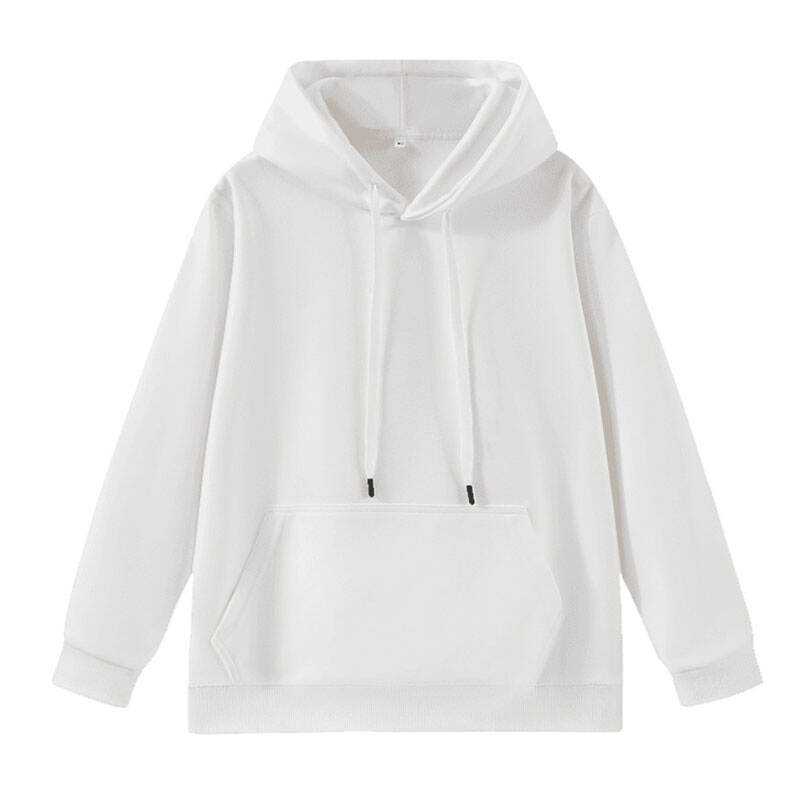
Selecting the right blank garment forms the foundation of any successful custom apparel project. Whether you're creating promotional merchandise, launching a clothing line, or designing team uniforms, the quality and characteristics of your blank garment directly impact the final product's appearance, durability, and customer satisfaction. Understanding the key factors involved in choosing blank garments ensures your custom designs translate beautifully onto the finished product while meeting both budget and quality expectations.
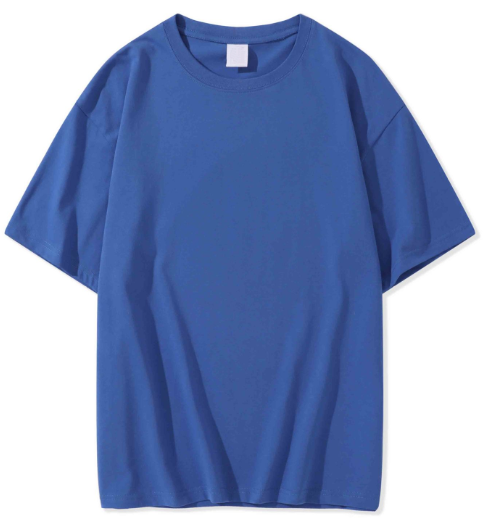
Understanding Blank Garment Categories and Applications
Basic Blank Garment Classifications
The apparel industry offers diverse blank garment options, each designed for specific applications and target markets. Basic cotton tees represent the most popular category, providing versatile canvases for screen printing, heat transfer vinyl, and direct-to-garment printing. Premium blank garment selections include tri-blend fabrics that combine cotton, polyester, and rayon for enhanced softness and durability. Performance blank garments incorporate moisture-wicking technologies, making them ideal for athletic wear and activewear applications.
Fashion-forward blank garment styles encompass trendy cuts, oversized fits, and contemporary silhouettes that appeal to younger demographics. Eco-friendly blank garment options utilize organic cotton, recycled materials, or sustainably sourced fibers to meet growing environmental consciousness demands. Understanding these categories helps determine which blank garment type aligns with your project goals, target audience, and design requirements.
Industry-Specific Blank Garment Requirements
Different industries require specific blank garment characteristics to meet functionality and professional standards. Corporate apparel projects typically favor classic fits with professional appearance, using blank garments that maintain shape after repeated washing and wear. Promotional merchandise often prioritizes cost-effective blank garments that still deliver acceptable quality for giveaway items and marketing campaigns. Restaurant and hospitality industries require blank garments with stain-resistant properties and easy-care maintenance for employee uniforms.
Healthcare and safety applications demand blank garments that meet specific regulatory standards while providing comfort during extended wear. Educational institutions often seek durable blank garments capable of withstanding frequent washing while maintaining color vibrancy for school spirit wear. Each industry application influences blank garment selection criteria, from fabric composition to construction quality and specialized features.
Fabric Composition and Performance Characteristics
Natural Fiber Blank Garments
Cotton remains the most popular choice for blank garments due to its breathability, comfort, and excellent printability. Ring-spun cotton blank garments offer superior softness and durability compared to open-end alternatives, making them ideal for premium applications. Organic cotton blank garments appeal to environmentally conscious consumers while providing the same comfort and printing characteristics as conventional cotton. Pre-shrunk cotton blank garments minimize dimensional changes after washing, ensuring consistent fit and appearance.
Combed cotton blank garments undergo additional processing to remove short fibers, resulting in smoother surfaces and enhanced print quality. The weight of cotton blank garments, measured in ounces per square yard, affects both feel and durability, with heavier weights providing more substantial hand feel. Understanding cotton grades and processing methods helps select blank garments that deliver the desired balance of comfort, quality, and cost-effectiveness for specific applications.
Synthetic and Blend Fabric Options
Polyester blank garments excel in moisture-wicking applications and maintain vibrant colors through repeated washing cycles. Polyester-cotton blends combine the best characteristics of both fibers, offering improved wrinkle resistance and dimensional stability while retaining cotton's comfort. Tri-blend blank garments incorporating rayon provide exceptionally soft hand feel and enhanced drape characteristics that appeal to fashion-conscious consumers. Modal and bamboo fiber blank garments offer sustainable alternatives with natural antimicrobial properties and superior moisture management.
Performance fabrics used in athletic blank garment applications include advanced moisture-wicking technologies, UV protection, and odor-resistant treatments. Synthetic blend blank garments often provide better color retention and reduced shrinkage compared to 100% natural fiber alternatives. Evaluating fabric performance characteristics ensures your chosen blank garment meets specific functional requirements while delivering the desired aesthetic and comfort levels.
Size and Fit Considerations for Blank Garments
Standard Sizing Systems and Variations
Blank garment sizing can vary significantly between manufacturers, making it essential to review detailed size charts and measurements before making selections. Standard adult sizing typically ranges from XS to 5XL, though specific measurements for chest, length, and sleeve dimensions may differ between brands. Youth blank garments require separate sizing considerations, with age-appropriate fits and proportions that differ from scaled-down adult sizes. Extended size ranges in blank garments accommodate diverse body types while maintaining proper fit and comfort across all sizes.
International sizing standards may apply to imported blank garments, requiring conversion between different measurement systems. Fitted versus relaxed cuts significantly impact how blank garments appear on different body types and influence customer satisfaction. Understanding target demographic preferences helps determine appropriate blank garment sizing and fit characteristics for your specific market segment.
Contemporary Fit Trends and Style Preferences
Modern blank garment trends favor relaxed, oversized fits that provide contemporary styling and enhanced comfort. Fashion-forward blank garments often feature longer body lengths, dropped shoulders, and wider sleeves that appeal to younger demographics. Slim-fit blank garments cater to customers preferring more tailored appearances while maintaining comfort and mobility. Unisex blank garments designed with universal fit characteristics simplify inventory management while appealing to diverse customer bases.
Vintage-inspired blank garments with slightly boxy fits and classic proportions appeal to retro fashion enthusiasts. Athletic-cut blank garments provide performance-oriented fits with enhanced mobility and moisture management. Understanding current fit preferences and style trends ensures your blank garment selections align with target customer expectations and market demands.
Color Options and Design Compatibility
Base Color Selection for Printing Applications
Light-colored blank garments provide the most versatile printing options, allowing for vibrant color reproduction and detailed designs. White blank garments serve as universal canvases that showcase colors accurately without substrate interference. Natural and heather blank garments offer subtle texture and visual interest while maintaining excellent printability. Dark-colored blank garments require specialized inks and printing techniques but create striking contrast effects for certain design applications.
Color fastness in blank garments ensures designs maintain vibrancy through multiple wash cycles without fading or bleeding. Consistent color matching across blank garment lots prevents variations in finished products when ordering large quantities. Understanding how different printing methods interact with various blank garment colors helps optimize design outcomes and customer satisfaction.
Trending Colors and Seasonal Considerations
Fashion color trends influence blank garment popularity, with certain colors experiencing seasonal demand fluctuations. Earth tones and muted colors in blank garments appeal to customers seeking versatile, wardrobe-friendly options. Bright, bold colors in blank garments work well for attention-grabbing promotional items and youth-oriented designs. Pantone color forecasts provide guidance for selecting trendy blank garment colors that align with current fashion preferences.
Limited edition and seasonal blank garment colors create opportunities for unique product offerings and increased customer interest. Neutral blank garment colors like black, gray, and navy provide timeless appeal and broad market acceptance. Planning blank garment color selections around seasonal trends and target market preferences maximizes appeal and sales potential.
Quality Assessment and Supplier Evaluation
Construction Quality Indicators
Seam construction quality in blank garments affects durability, appearance, and customer satisfaction over time. Double-needle stitching at stress points indicates superior construction quality in blank garments designed for frequent use. Shoulder tape reinforcement prevents stretching and maintains shape in blank garments subjected to regular washing. Side seam construction versus tubular blank garments affects fit, drape, and design placement options for custom applications.
Neck seam finishing quality impacts comfort and professional appearance in finished blank garments. Pre-shrinking treatments ensure dimensional stability in blank garments after customer washing and care. Thread quality and stitch density directly correlate with blank garment longevity and professional appearance standards.
Supplier Reliability and Consistency
Established blank garment suppliers provide consistent quality, sizing, and color matching across multiple orders and production runs. Supplier capacity and lead times affect project timelines and inventory management for blank garment orders. Quality control standards and certifications indicate supplier commitment to consistent blank garment quality and ethical manufacturing practices. Geographic proximity to suppliers can reduce shipping costs and delivery times for blank garment orders.
Minimum order quantities and pricing structures vary among blank garment suppliers, affecting project economics and inventory requirements. Supplier flexibility regarding custom specifications, labeling, and packaging options adds value to blank garment procurement. Building relationships with reliable blank garment suppliers ensures consistent access to preferred styles and competitive pricing.
Cost Analysis and Budget Planning
Price Point Considerations
Blank garment prices vary significantly based on fabric quality, construction methods, and brand positioning within the market. Economy blank garments offer cost-effective solutions for high-volume promotional applications where budget constraints are primary concerns. Mid-range blank garments provide balanced quality and pricing for most commercial applications requiring good performance without premium costs. Premium blank garments justify higher costs through superior comfort, durability, and brand association for upscale applications.
Volume pricing structures for blank garments typically offer significant discounts for larger quantity purchases across most suppliers. Seasonal pricing fluctuations affect blank garment costs, with certain colors and styles experiencing premium pricing during peak demand periods. Import duties and shipping costs impact final blank garment pricing, particularly for international sourcing options.
Total Cost of Ownership
Initial blank garment costs represent only one component of total project expenses, with printing, labor, and finishing costs contributing to overall economics. Higher quality blank garments may justify increased initial investment through reduced defect rates and improved customer satisfaction. Inventory carrying costs for blank garments include storage, handling, and potential obsolescence expenses that affect total project economics.
Return and exchange rates correlate with blank garment quality, affecting customer service costs and brand reputation. Warranty considerations for blank garments provide protection against defects while indicating manufacturer confidence in product quality. Long-term supplier relationships often yield cost advantages through negotiated pricing and preferential treatment for blank garment orders.
FAQ
What factors should I prioritize when selecting blank garments for screen printing
When choosing blank garments for screen printing, prioritize fabric composition and surface smoothness for optimal ink adhesion and image quality. Cotton and cotton blends typically provide the best printing results, while the fabric weight should be substantial enough to prevent show-through but not so heavy that it becomes uncomfortable. Consider the blank garment's pre-shrinking treatment to ensure dimensional stability after washing, and select colors that complement your design while providing sufficient contrast for visibility.
How do I determine the right quantity of blank garments to order for my project
Calculate your blank garment quantity based on confirmed orders plus a buffer for potential reprints, sizing exchanges, and production waste. Industry standards typically recommend ordering 10-15% additional blank garments beyond your immediate needs to account for printing errors and size adjustments. Consider minimum order quantities from suppliers, volume pricing breaks, and storage capacity when determining optimal blank garment order sizes for your specific project requirements.
What quality indicators should I look for in premium blank garments
Premium blank garments feature ring-spun or combed cotton construction, double-needle stitching at stress points, and shoulder tape reinforcement for durability. Look for pre-shrunk fabrics with consistent sizing across the size range, side-seam construction for improved fit, and tear-away labels for custom branding. High-quality blank garments maintain their shape and color through multiple wash cycles while providing superior comfort and professional appearance compared to economy alternatives.
How do different fabric blends in blank garments affect printing results
Different fabric blends in blank garments require specific printing considerations for optimal results. 100% cotton provides excellent ink absorption and vibrant colors but may shrink more than blends. Cotton-polyester blends offer improved dimensional stability and moisture-wicking properties but may require adjusted ink curing temperatures. Tri-blend blank garments with rayon create exceptionally soft hand feel but can be challenging for certain printing methods due to their delicate fiber structure and potential for dye migration.
Table of Contents
- Understanding Blank Garment Categories and Applications
- Fabric Composition and Performance Characteristics
- Size and Fit Considerations for Blank Garments
- Color Options and Design Compatibility
- Quality Assessment and Supplier Evaluation
- Cost Analysis and Budget Planning
-
FAQ
- What factors should I prioritize when selecting blank garments for screen printing
- How do I determine the right quantity of blank garments to order for my project
- What quality indicators should I look for in premium blank garments
- How do different fabric blends in blank garments affect printing results