mens tshirt wholesale
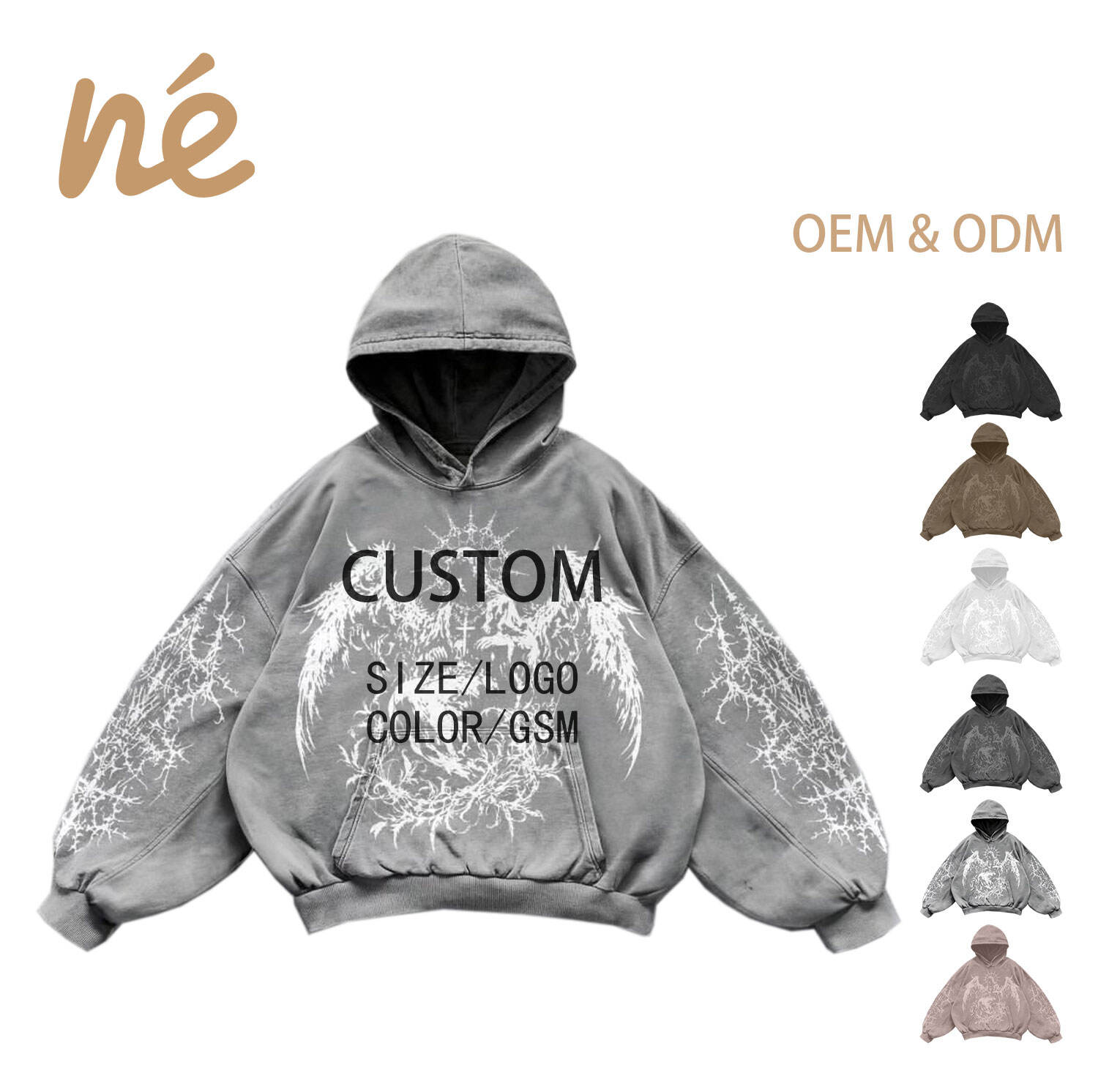
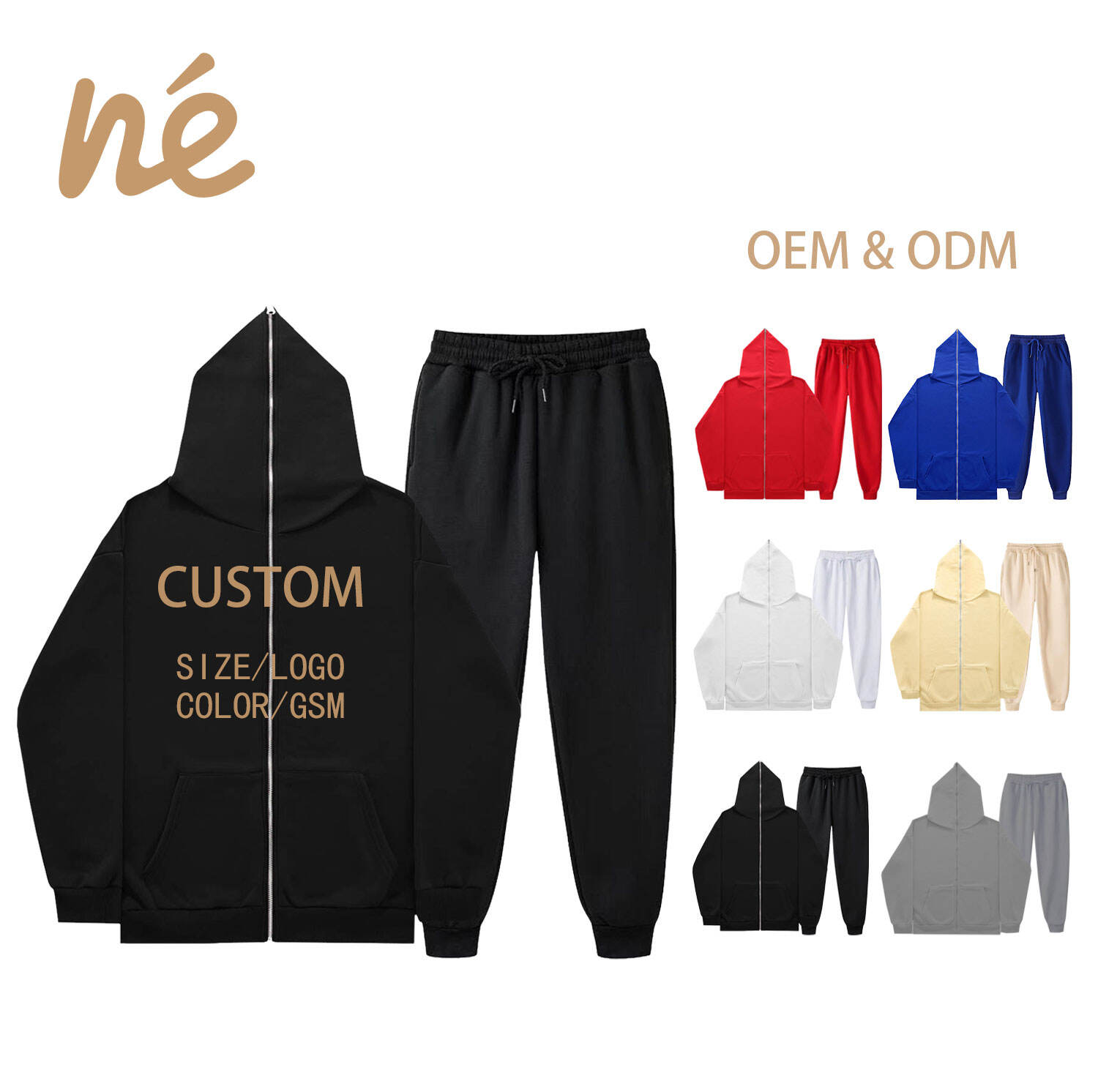
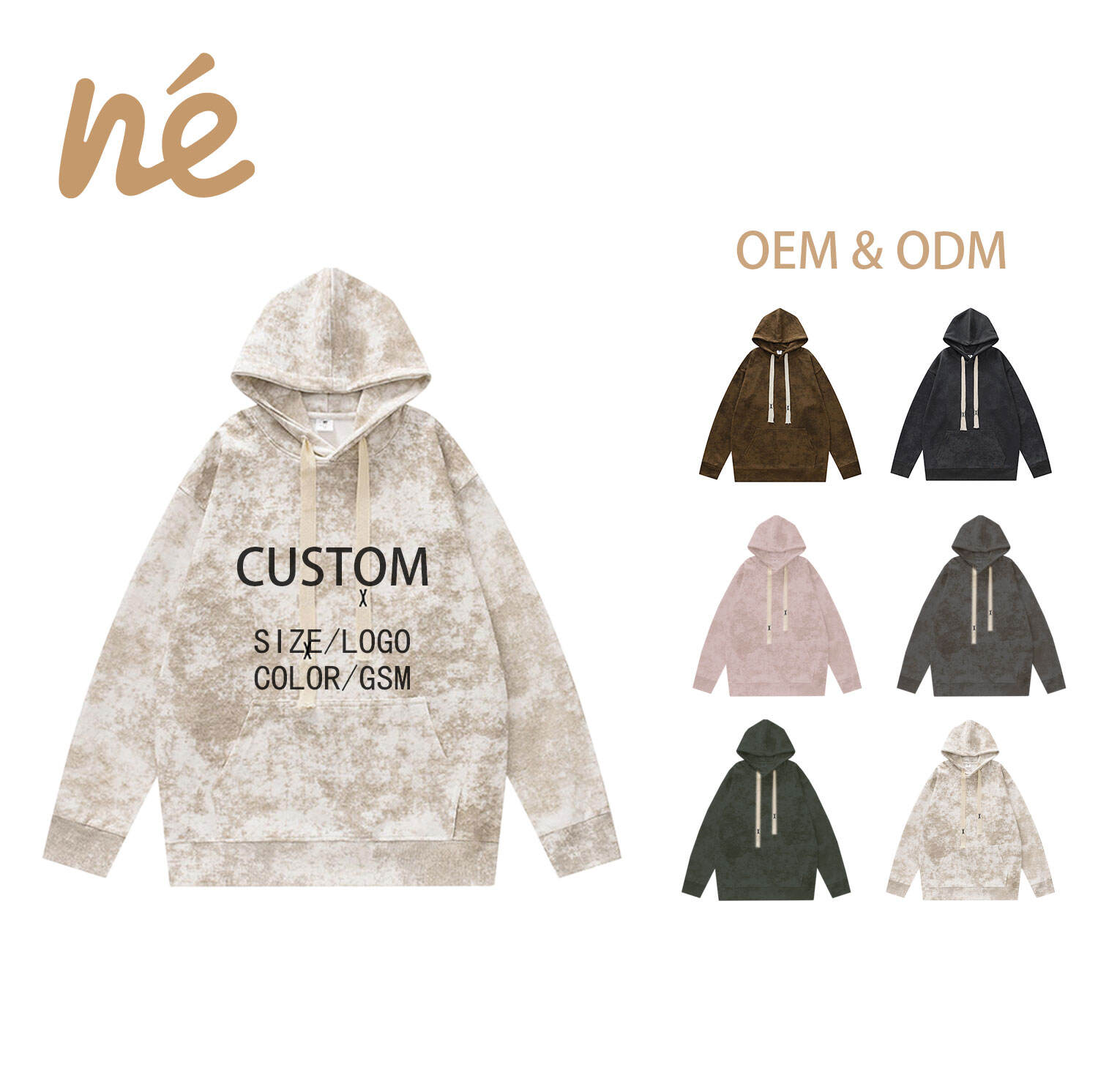
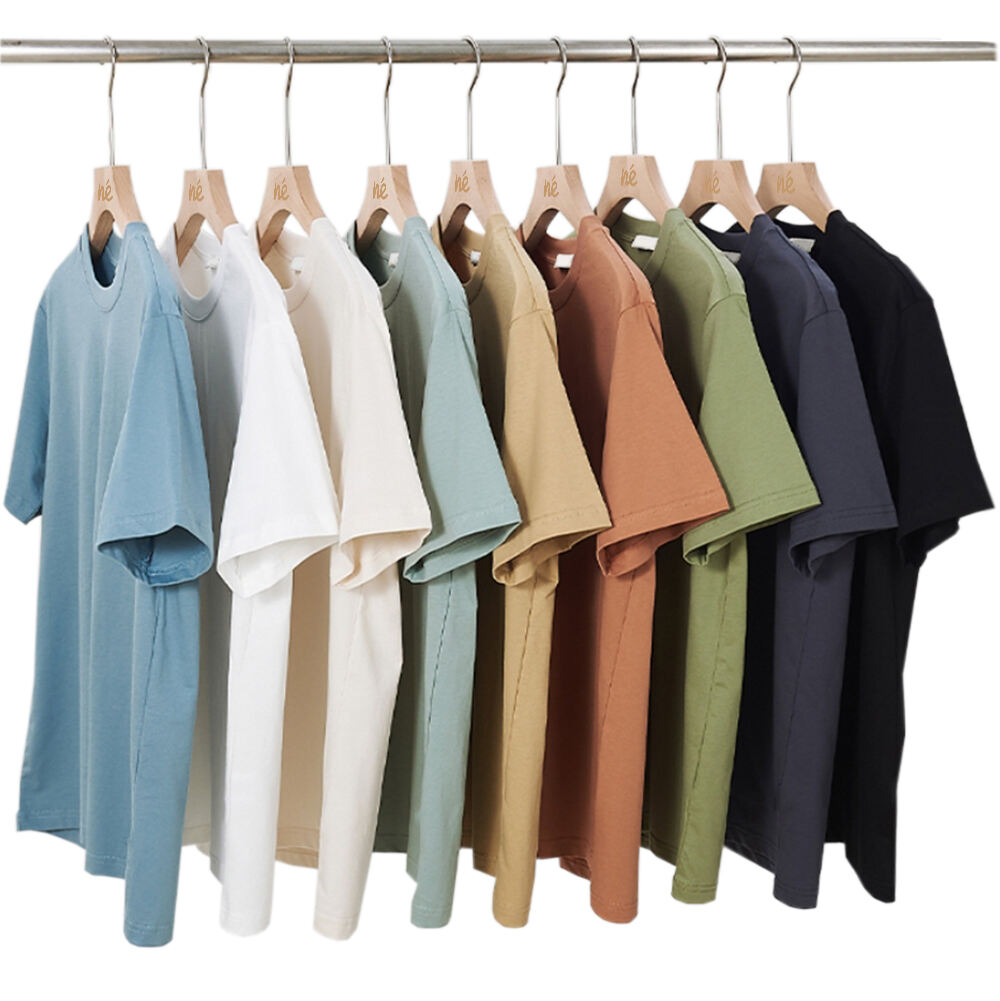
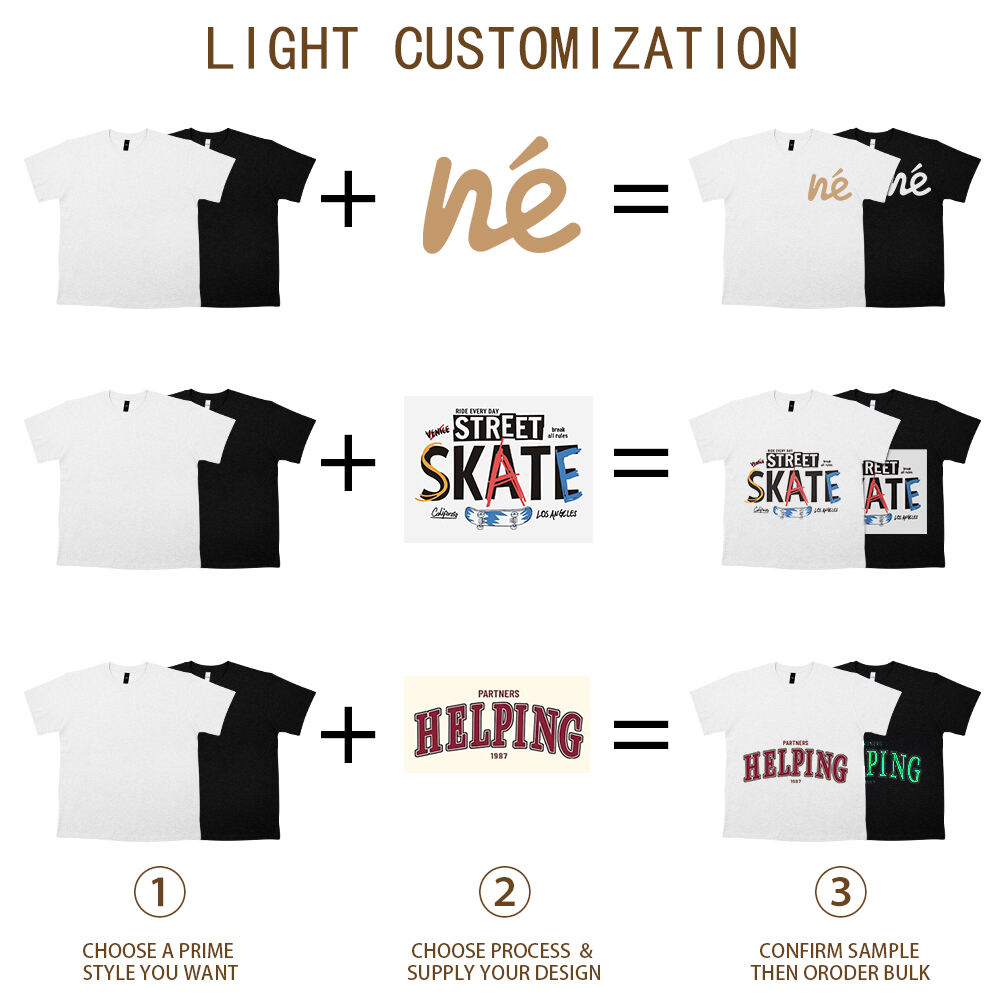
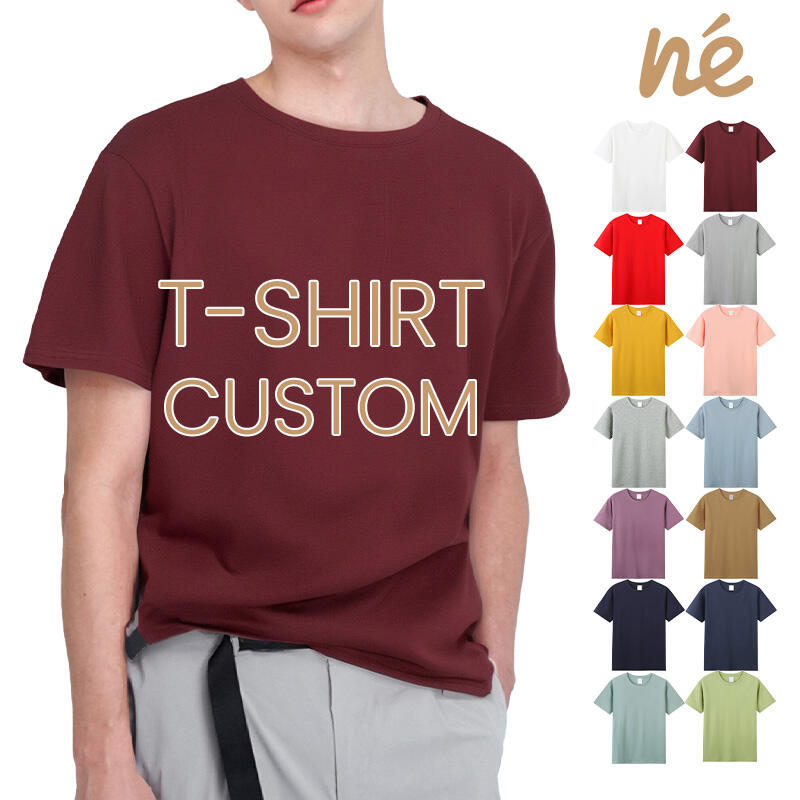
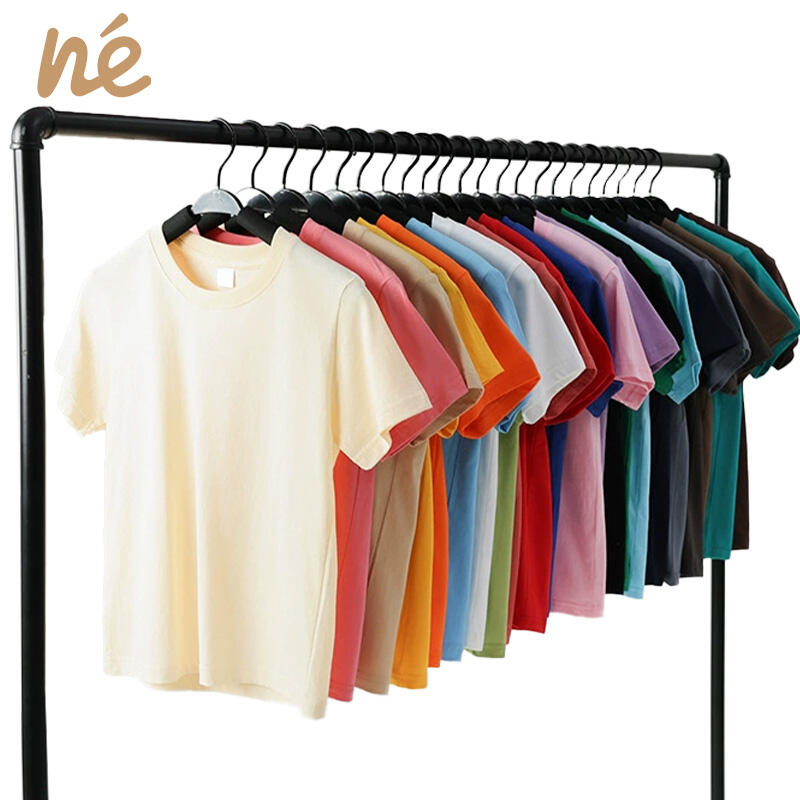
Mens tshirt wholesale represents a strategic business model that connects manufacturers with retailers, distributors, and entrepreneurs seeking bulk apparel purchases. This comprehensive system operates through established supply chains that enable businesses to acquire large quantities of mens t-shirts at significantly reduced per-unit costs. The primary function of mens tshirt wholesale involves sourcing, manufacturing, and distributing high-quality cotton and synthetic blend garments designed specifically for male consumers across diverse market segments. The technological features incorporated into modern mens tshirt wholesale operations include advanced inventory management systems, automated production equipment, and sophisticated quality control mechanisms that ensure consistent product standards. These systems utilize computerized cutting machines, digital printing technologies, and seamless integration platforms that streamline order processing from initial inquiry through final delivery. The wholesale framework supports various fabric compositions, including 100% cotton, cotton-polyester blends, tri-blends, and performance materials that cater to different customer preferences and market demands. Manufacturing processes employ state-of-the-art knitting machines, dyeing equipment, and finishing systems that maintain color consistency and fabric integrity throughout production cycles. Applications for mens tshirt wholesale extend across numerous industries and business models, including retail clothing stores, promotional product companies, corporate uniform suppliers, event organizers, and online marketplace sellers. Educational institutions utilize wholesale mens t-shirts for campus bookstores, athletic departments, and student organization merchandise. Corporate clients leverage bulk purchasing for employee uniforms, company events, and branded promotional campaigns. The system accommodates custom printing, embroidery services, and private label manufacturing that enable businesses to create unique products while maintaining competitive pricing structures. Distribution networks span international markets, providing access to diverse sizing standards, regional preferences, and seasonal collections that meet local market requirements.

 EN
EN