zip hoodie manufacturer
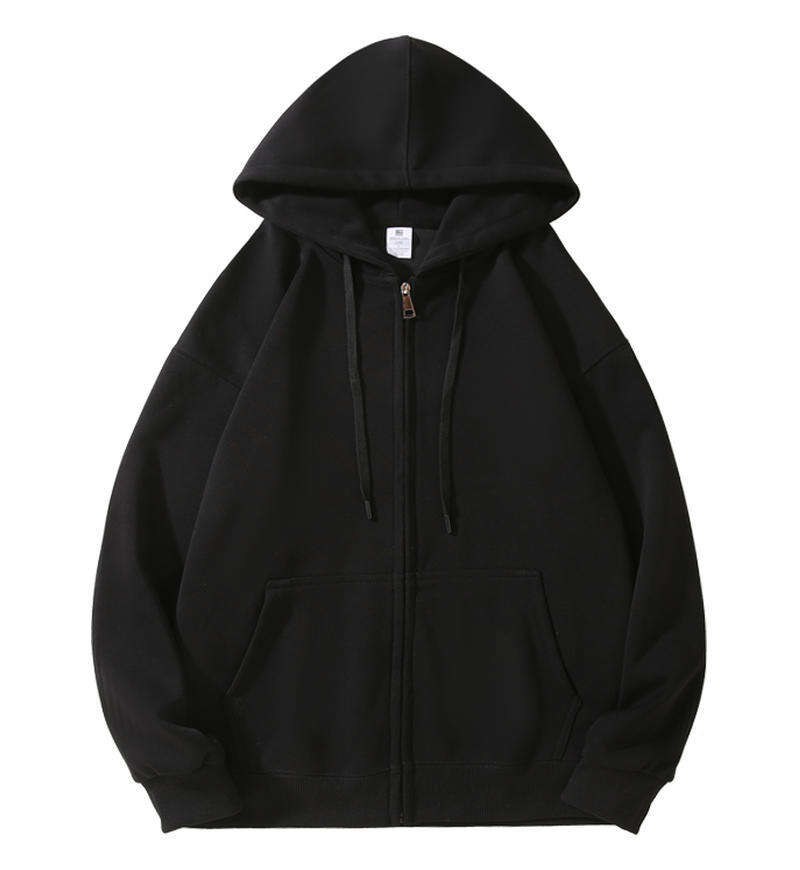
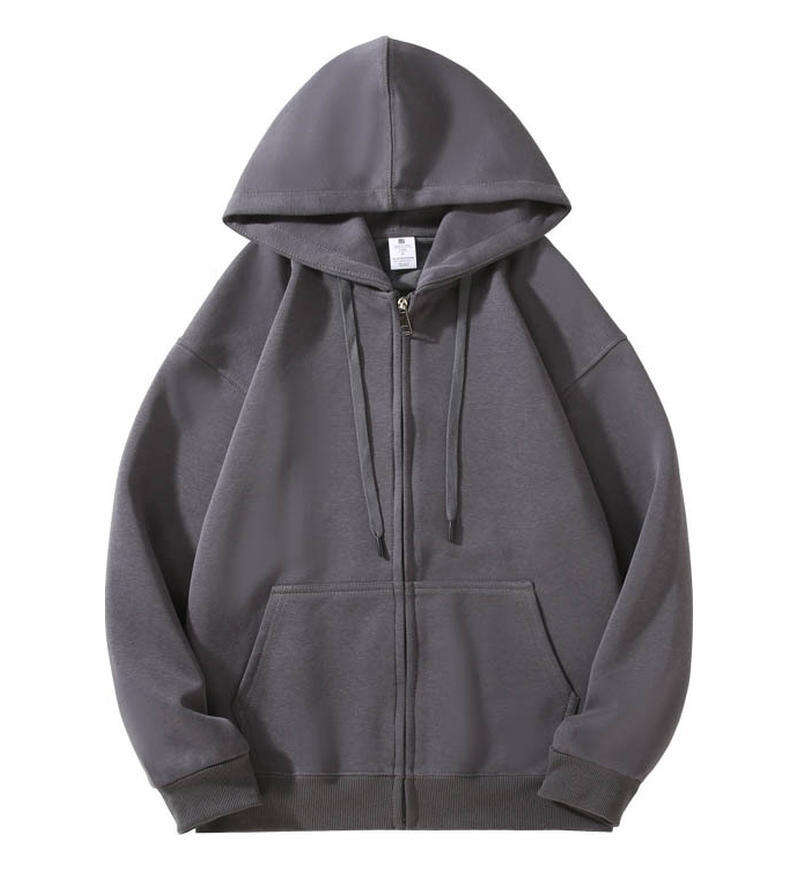
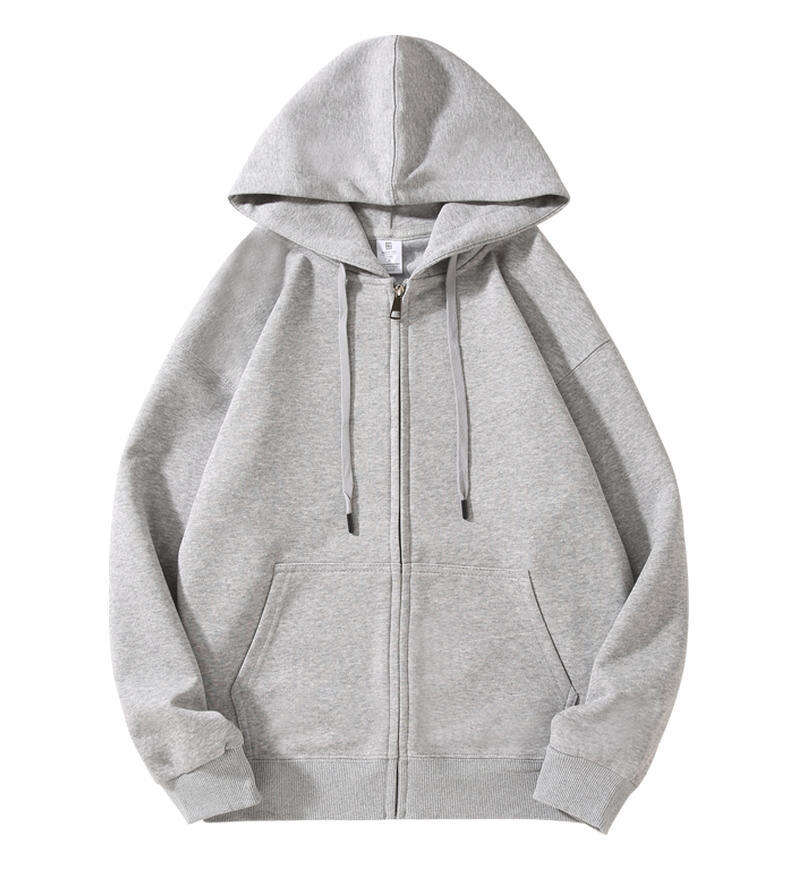
A zip hoodie manufacturer represents a specialized apparel production company that focuses on creating high-quality zippered hooded sweatshirts for diverse market segments. These manufacturers operate sophisticated production facilities equipped with advanced textile machinery, cutting-edge design software, and quality control systems that ensure consistent product excellence. The primary function of a zip hoodie manufacturer involves transforming raw materials like cotton, polyester, fleece, and blended fabrics into finished garments that meet specific design requirements and quality standards. Modern zip hoodie manufacturers utilize computer-aided design systems to create precise patterns, automated cutting machines for fabric preparation, and industrial sewing equipment for assembly processes. The technological features implemented by leading manufacturers include digital printing capabilities, embroidery systems, heat transfer applications, and screen printing facilities that enable custom branding and personalization options. Quality assurance protocols incorporate fabric testing for durability, colorfastness, and shrinkage resistance, while finished product inspections verify seam strength, zipper functionality, and overall construction integrity. These manufacturers serve multiple applications across retail fashion, corporate apparel, promotional merchandise, sports teams, educational institutions, and custom clothing markets. Production capabilities typically range from small batch custom orders to large-scale commercial manufacturing, with many facilities offering flexible minimum order quantities to accommodate various customer needs. Supply chain management involves sourcing premium materials from certified suppliers, maintaining inventory levels for popular styles and colors, and coordinating logistics for timely delivery. Environmental considerations have become increasingly important, with many zip hoodie manufacturers adopting sustainable practices such as organic cotton sourcing, water-based printing inks, recycled polyester utilization, and energy-efficient production methods to reduce their ecological footprint while maintaining product quality standards.

 EN
EN