Professional Casual Clothing Manufacturers - Quality Production & Global Supply Chain Solutions

  • Room 4001-1, Phoenix International Building, No. 33 Xinggui Street, Suzhou Industrial Park
  • +86-18451612153

Time: 9.00 am-4.00 pm

casual clothing manufacturers

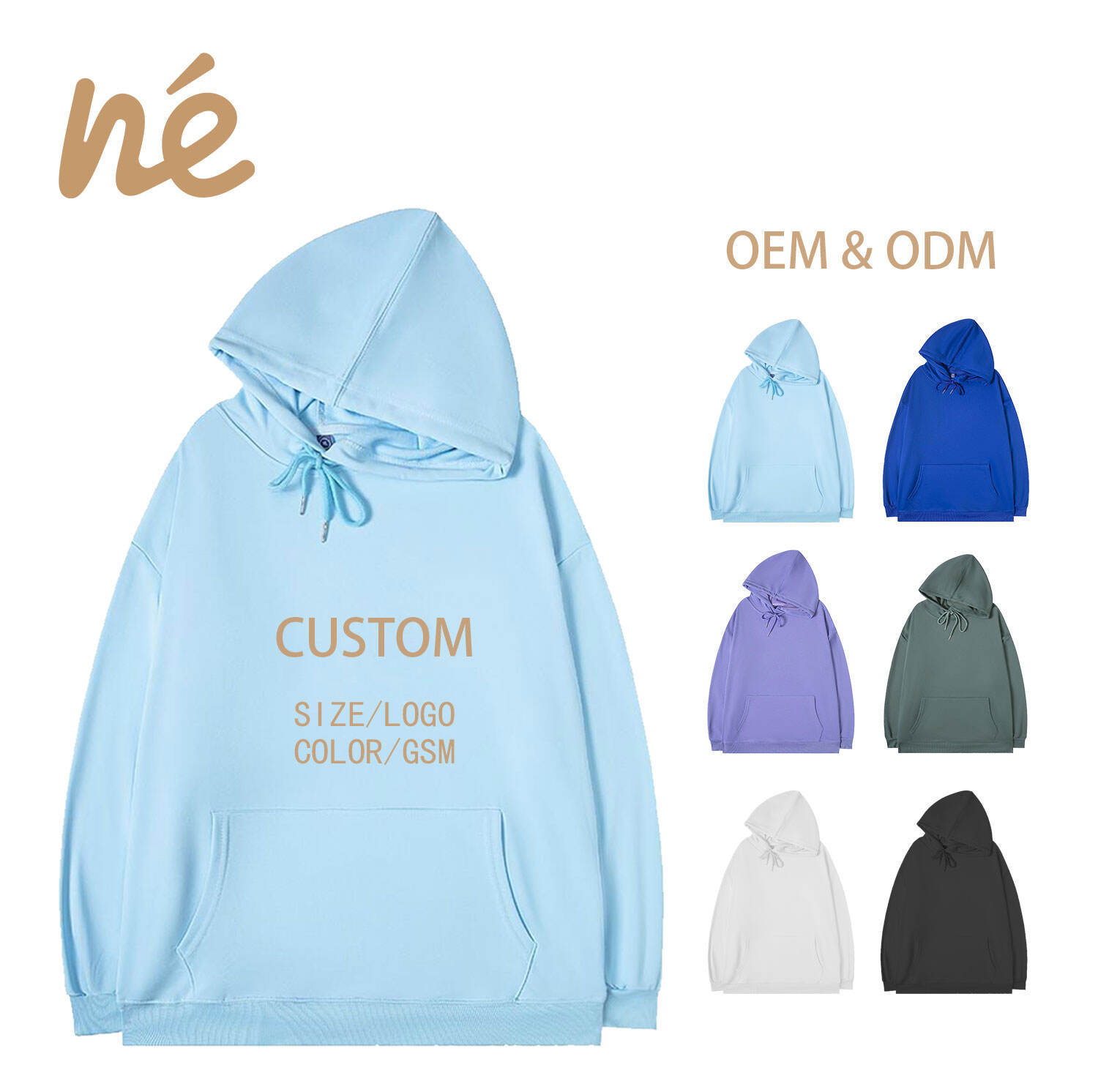
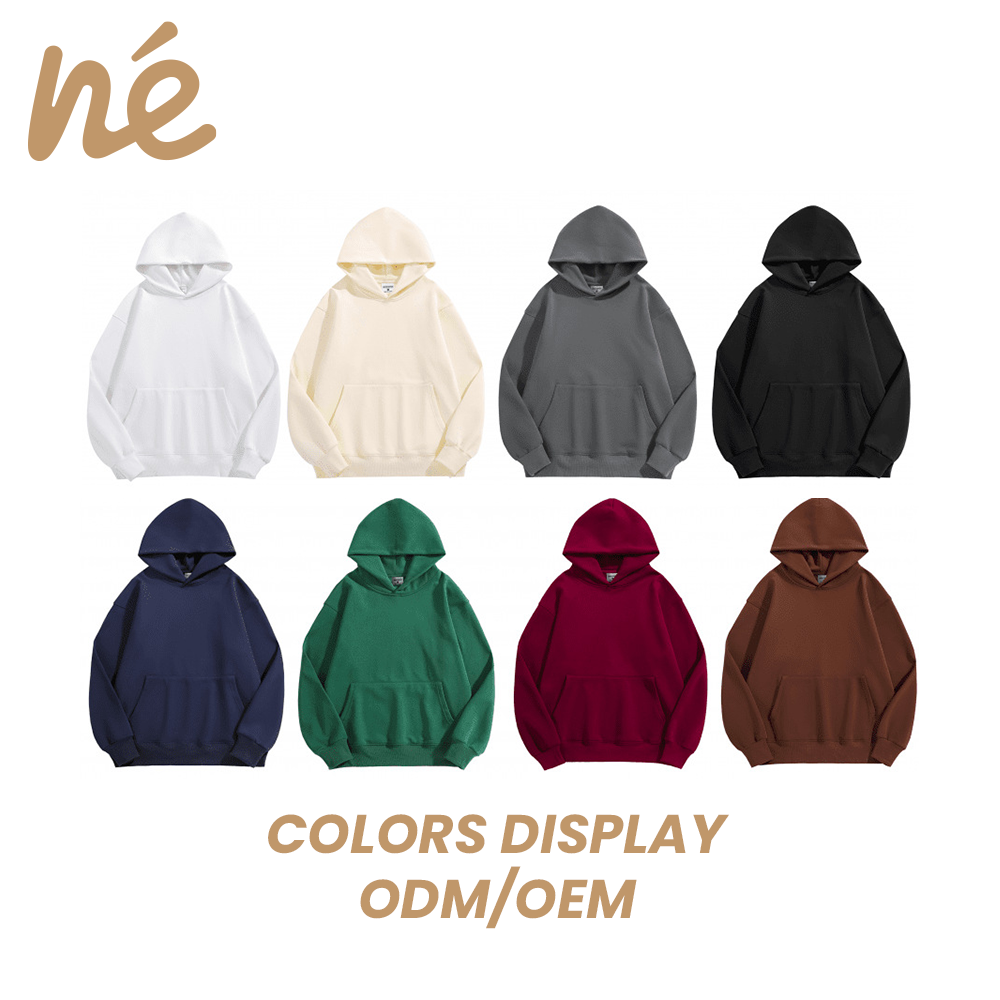
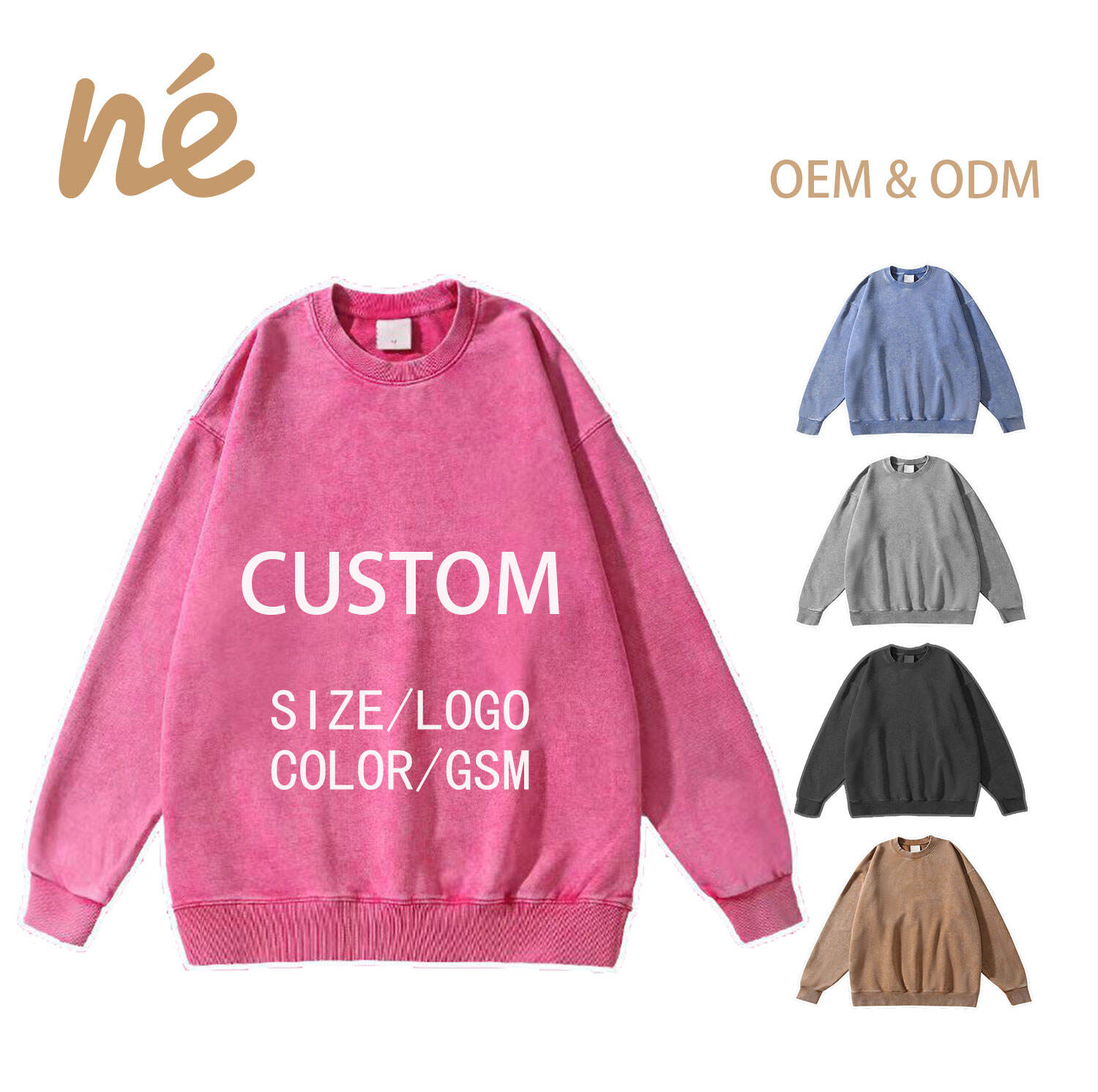
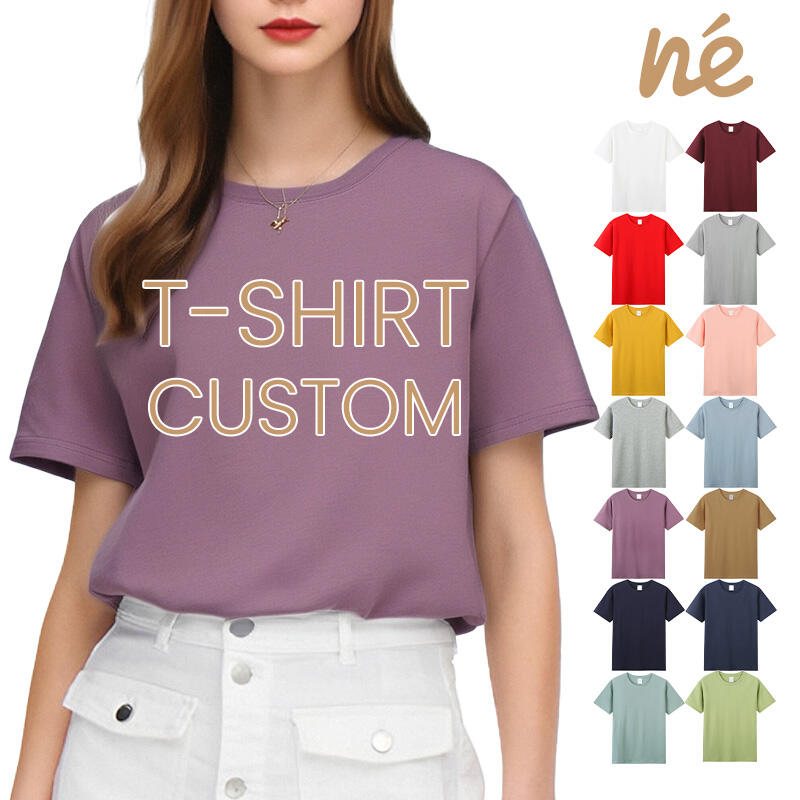
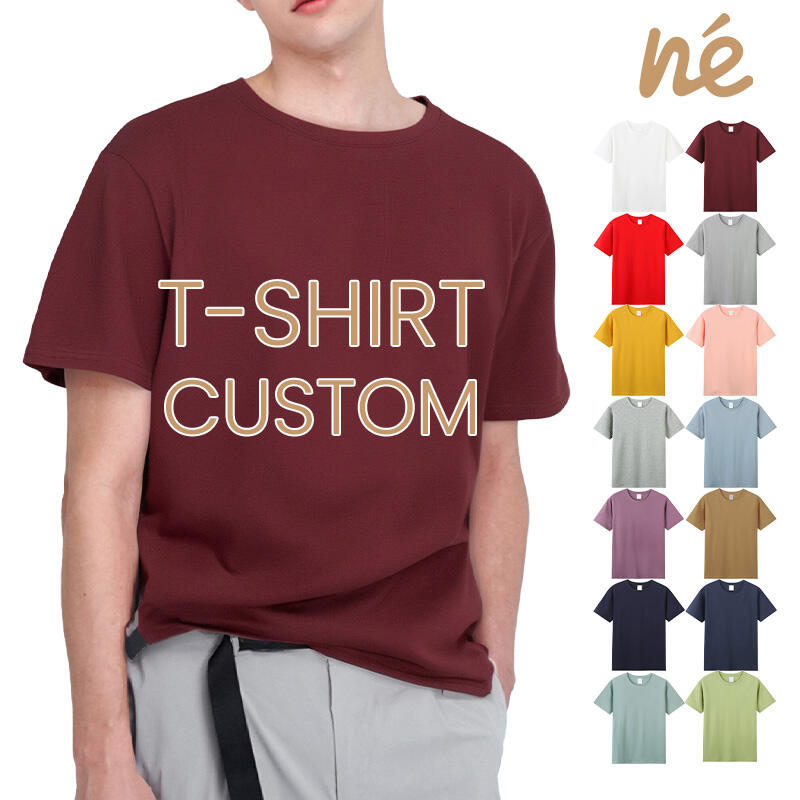
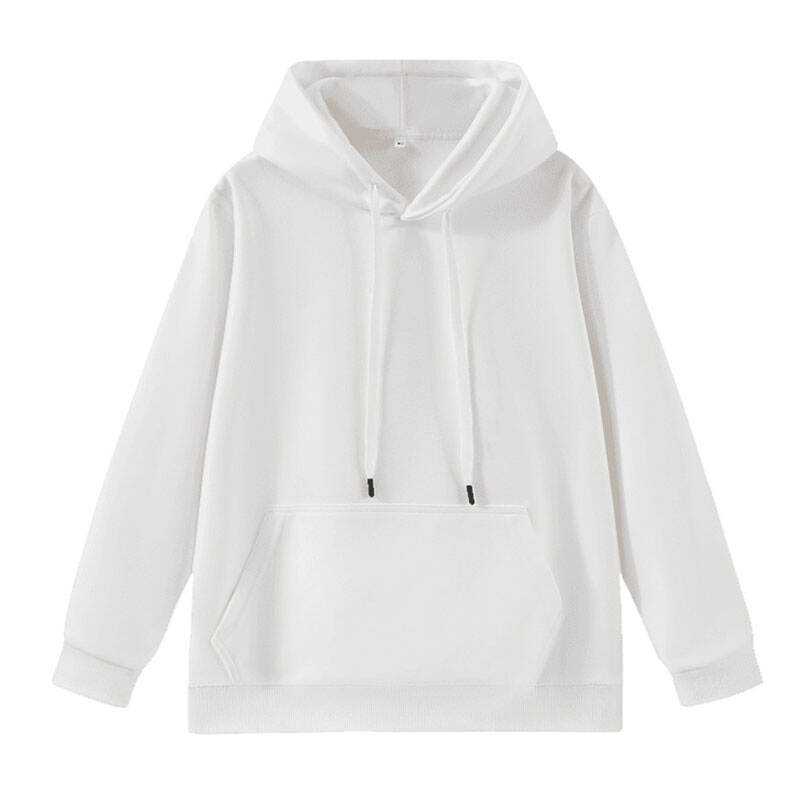
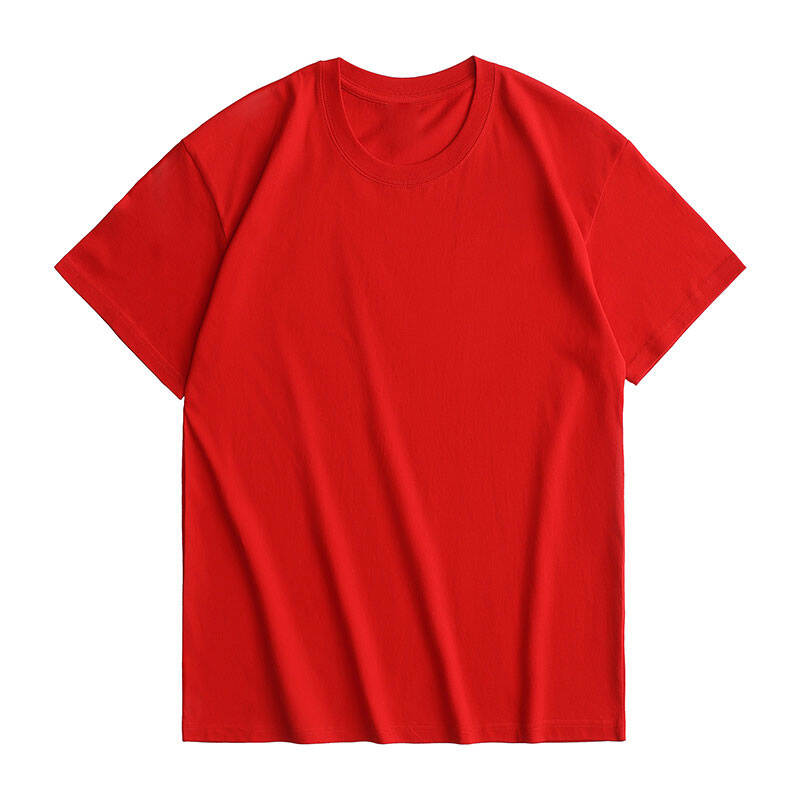
Casual clothing manufacturers represent the backbone of the global apparel industry, specializing in the design, production, and distribution of comfortable, everyday garments that cater to diverse consumer preferences. These manufacturers focus on creating versatile clothing pieces including t-shirts, jeans, hoodies, casual dresses, shorts, and loungewear that prioritize comfort without compromising style. The primary functions of casual clothing manufacturers encompass product development, fabric sourcing, pattern making, cutting, sewing, quality control, and logistics management. They serve as crucial intermediaries between raw material suppliers and retail outlets, transforming conceptual designs into tangible products that reach consumers worldwide. Modern casual clothing manufacturers leverage advanced technological features to streamline their operations and enhance product quality. Computer-aided design (CAD) systems enable precise pattern creation and modification, while automated cutting machines ensure consistent fabric cutting with minimal waste. Digital printing technology allows manufacturers to create vibrant, detailed graphics and patterns on garments, while advanced sewing machines equipped with programmable functions maintain consistent stitching quality. Quality management systems incorporate barcode tracking, automated inspection processes, and statistical quality control methods to ensure each garment meets established standards. Supply chain management software facilitates real-time inventory tracking, production scheduling, and supplier coordination. The applications of casual clothing manufacturers extend across multiple market segments, including retail chains, e-commerce platforms, private label brands, and custom apparel services. They cater to various demographics, from children's casual wear to adult fashion, adapting their production capabilities to meet specific market demands. These manufacturers often specialize in particular niches such as sustainable fashion, plus-size clothing, or athletic-inspired casual wear, allowing them to develop expertise in specific areas while maintaining competitive advantages in their chosen markets.


New Product Releases

Casual clothing manufacturers offer numerous practical benefits that make them invaluable partners for businesses and consumers alike. Cost efficiency stands as a primary advantage, as these manufacturers achieve economies of scale through bulk production processes, enabling them to offer competitive pricing without sacrificing quality. Their established supply chains and vendor relationships allow them to secure raw materials at favorable rates, which translates directly into cost savings for their clients. The speed and efficiency of production represent another significant benefit, with experienced casual clothing manufacturers capable of rapid turnaround times from initial design concepts to finished products. Their streamlined workflows and specialized equipment enable quick response to market trends and seasonal demands, ensuring businesses can capitalize on emerging opportunities without lengthy delays. Quality assurance forms a cornerstone of reputable casual clothing manufacturers, as they implement rigorous testing protocols and quality control measures throughout the production process. This systematic approach reduces defect rates, minimizes returns, and builds consumer trust in the final products. The expertise and technical knowledge that casual clothing manufacturers bring to partnerships cannot be overstated. Their understanding of fabric properties, construction techniques, and industry standards enables them to provide valuable guidance on design optimization, material selection, and production feasibility. This expertise helps clients avoid costly mistakes and ensures products meet both aesthetic and functional requirements. Flexibility and customization capabilities allow casual clothing manufacturers to adapt their services to meet specific client needs. Whether producing small batch custom orders or large-scale production runs, they can adjust their processes accordingly. Many manufacturers offer design services, helping clients develop concepts from initial sketches to market-ready products. The global reach and distribution networks maintained by established casual clothing manufacturers provide access to international markets and diverse consumer bases. Their understanding of regional preferences, sizing standards, and regulatory requirements facilitates smooth market entry for businesses looking to expand their reach. Risk mitigation represents another crucial advantage, as partnering with experienced casual clothing manufacturers reduces the operational risks associated with in-house production, including equipment maintenance, skilled labor management, and inventory handling.

Latest News

How Do Oversized T Shirt Factories Maintain Consistent Quality?

23

Dec

How Do Oversized T Shirt Factories Maintain Consistent Quality?

Manufacturing high-quality oversized t-shirts requires precise coordination across multiple production stages, from fabric selection to final packaging. Modern oversized t shirt factories have developed sophisticated quality control systems that ensu...
View More
What's the Best Way to Care for Your Graphic or Printed T Shirt for Men to Prevent Fading?

10

Feb

What's the Best Way to Care for Your Graphic or Printed T Shirt for Men to Prevent Fading?

Taking proper care of your graphic t shirt for men is essential to maintain its vibrant colors and extend its lifespan. Many men invest in quality printed shirts only to watch them fade and deteriorate after just a few washes. Understanding the right...
View More
What Printing Methods (Screen, DTG, Sublimation) Are Best for Your Custom T-Shirt Design?

18

Mar

What Printing Methods (Screen, DTG, Sublimation) Are Best for Your Custom T-Shirt Design?

Custom t-shirt printing has revolutionized the apparel industry, offering businesses and individuals countless opportunities to express creativity while building brand recognition. Whether you're launching a new clothing line, creating promotional me...
View More
How Do You Choose the Perfect Blank Garment for Your Custom T-Shirt Project?

18

Mar

How Do You Choose the Perfect Blank Garment for Your Custom T-Shirt Project?

Selecting the right blank garment forms the foundation of any successful custom apparel project. Whether you're creating promotional merchandise, launching a clothing line, or designing team uniforms, the quality and characteristics of your blank gar...
View More

Get a Free Quote

Our representative will contact you soon.
Email
Name
Company Name
Intended Products
WhatsApp/Tel
Message
0/1000

casual clothing manufacturers

Advanced Production Technology and Automation

Advanced Production Technology and Automation

Modern casual clothing manufacturers distinguish themselves through their investment in cutting-edge production technology and automation systems that revolutionize garment manufacturing processes. These technological advances encompass computer-aided design (CAD) software that enables precise pattern creation, modification, and grading across different sizes, ensuring consistent fit and reducing material waste. Automated cutting systems utilize laser and water-jet cutting technologies to achieve precise fabric cutting with minimal human intervention, resulting in uniform pieces and optimized material utilization. Digital printing capabilities allow casual clothing manufacturers to create intricate designs, photorealistic images, and vibrant color schemes directly onto fabrics, eliminating the need for traditional screen printing setups and enabling small-batch customization. Advanced sewing equipment with programmable functions maintains consistent stitch quality, tension control, and seam construction across entire production runs. These machines can automatically adjust settings based on fabric type and garment specifications, ensuring optimal results regardless of material variations. Quality inspection systems incorporate computer vision technology to detect defects, color variations, and construction issues in real-time, significantly reducing the likelihood of defective products reaching consumers. Enterprise resource planning (ERP) systems integrate all aspects of production, from initial order processing through final shipment, providing real-time visibility into production status, inventory levels, and delivery schedules. This technological integration enables casual clothing manufacturers to respond quickly to market changes, accommodate rush orders, and maintain transparency with their clients throughout the production process. The implementation of these advanced systems also supports sustainability initiatives by optimizing resource utilization, reducing waste generation, and enabling more efficient energy consumption. These technological capabilities provide casual clothing manufacturers with competitive advantages in terms of production speed, quality consistency, cost efficiency, and the ability to handle complex customization requirements that traditional manufacturing methods cannot accommodate effectively.
Sustainable Manufacturing Practices and Environmental Responsibility

Sustainable Manufacturing Practices and Environmental Responsibility

Environmental consciousness has become a defining characteristic of leading casual clothing manufacturers, who implement comprehensive sustainable manufacturing practices that address growing consumer demand for eco-friendly products and corporate environmental responsibility. These manufacturers prioritize sustainable material sourcing by partnering with suppliers who provide organic cotton, recycled polyester, bamboo fiber, and other environmentally friendly textiles that reduce the environmental impact of garment production. Water conservation initiatives include advanced dyeing processes that minimize water consumption, closed-loop water systems that enable recycling and reuse of process water, and wastewater treatment facilities that ensure discharged water meets environmental standards. Energy efficiency programs incorporate renewable energy sources such as solar panels and wind power, LED lighting systems throughout production facilities, and energy-efficient machinery that reduces overall power consumption. Waste reduction strategies focus on pattern optimization to minimize fabric waste, recycling programs for production scraps and defective garments, and packaging optimization to reduce material usage and improve recyclability. Chemical management protocols ensure the use of non-toxic dyes and finishing agents, proper storage and disposal of chemical substances, and regular testing to verify compliance with international safety standards. Many casual clothing manufacturers pursue certifications such as OEKO-TEX, GOTS (Global Organic Textile Standard), and Cradle to Cradle to demonstrate their commitment to sustainable practices and provide transparency to environmentally conscious consumers. Carbon footprint reduction efforts include optimizing transportation routes, consolidating shipments, and investing in carbon offset programs to neutralize emissions associated with production and distribution activities. These sustainable practices not only benefit the environment but also provide competitive advantages through reduced operating costs, improved brand reputation, and access to environmentally conscious consumer markets. The long-term viability of casual clothing manufacturers increasingly depends on their ability to balance profitability with environmental stewardship, making sustainability initiatives essential for continued success.
Global Supply Chain Management and Market Accessibility

Global Supply Chain Management and Market Accessibility

Exceptional supply chain management capabilities set professional casual clothing manufacturers apart by providing comprehensive global reach and market accessibility that enables businesses to expand their operations across diverse geographic regions and consumer segments. These manufacturers maintain extensive networks of raw material suppliers, logistics partners, and distribution channels that span multiple continents, ensuring reliable access to quality materials and efficient delivery systems regardless of production volume or destination requirements. Strategic partnerships with fabric mills, trim suppliers, and accessory manufacturers enable casual clothing manufacturers to source materials at competitive prices while maintaining quality standards and delivery schedules. Their established relationships with shipping companies, freight forwarders, and customs brokers facilitate smooth international transportation and regulatory compliance, reducing delays and additional costs associated with cross-border commerce. Inventory management systems provide real-time visibility into stock levels, production schedules, and order status, enabling proactive planning and risk mitigation strategies that prevent stockouts or overproduction scenarios. Regional expertise allows casual clothing manufacturers to understand local market preferences, sizing standards, labeling requirements, and cultural considerations that influence product design and marketing strategies. This knowledge proves invaluable for businesses seeking to enter new markets or expand their international presence. Flexible production scheduling accommodates seasonal fluctuations, promotional campaigns, and unexpected demand changes through dynamic capacity allocation and multi-facility coordination. Risk diversification strategies include maintaining production capabilities across different geographic regions to mitigate political, economic, or natural disaster risks that could disrupt operations. Compliance management ensures adherence to international trade regulations, labor standards, and safety requirements across all operational territories. The scalability of global supply chain networks enables casual clothing manufacturers to support businesses of all sizes, from startup brands requiring small initial orders to established companies needing high-volume production capabilities. These comprehensive supply chain management capabilities provide clients with confidence in their ability to meet market demands, expand into new territories, and maintain consistent product availability while minimizing operational complexities and associated risks.

Get a Free Quote

Our representative will contact you soon.
Email
Name
Company Name
Intended Products
WhatsApp/Tel
Message
0/1000