tee shirt manufacturers
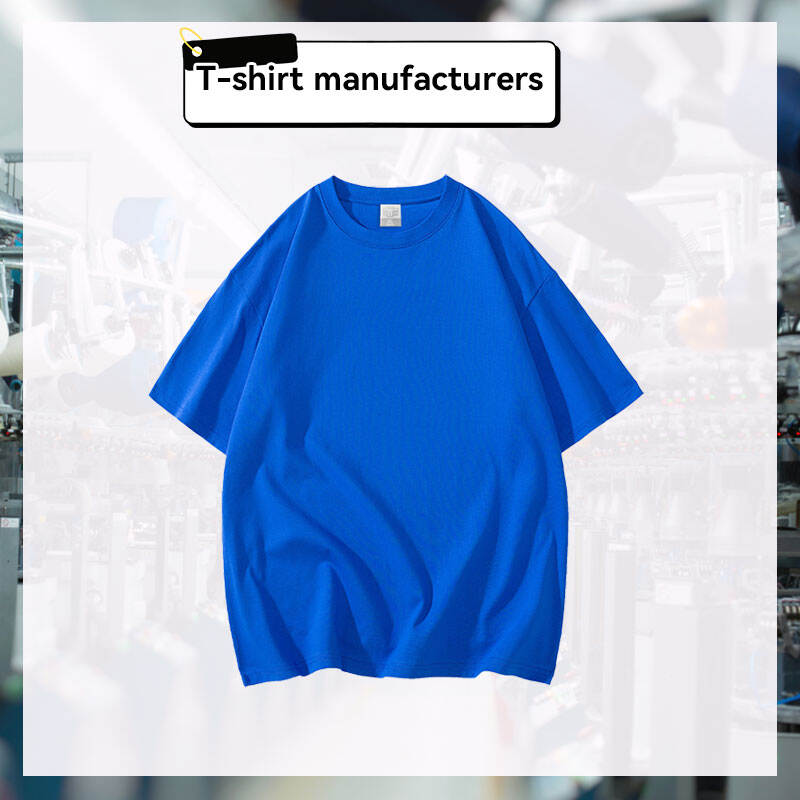
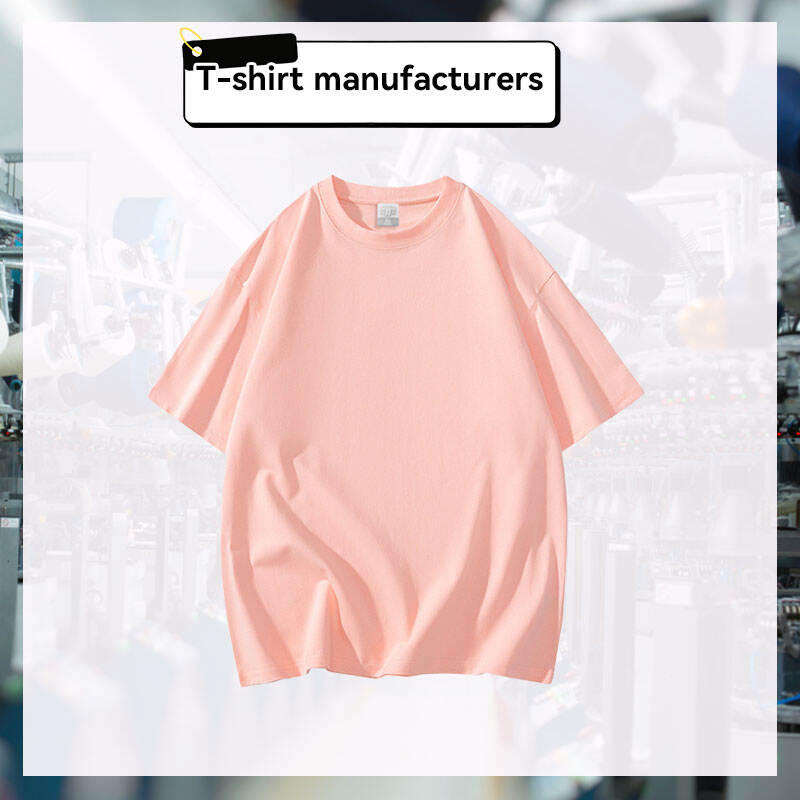
Tee shirt manufacturers represent the backbone of the global apparel industry, serving as specialized production entities that transform raw materials into finished garments for consumers worldwide. These manufacturing facilities combine traditional textile expertise with modern production technologies to create high-quality t-shirts that meet diverse market demands. The primary function of tee shirt manufacturers involves the complete production cycle, from sourcing cotton and synthetic fibers to cutting, sewing, printing, and packaging finished products. Modern tee shirt manufacturers utilize advanced knitting machines, automated cutting systems, and computerized embroidery equipment to ensure consistent quality and efficient production rates. Their technological infrastructure includes fabric inspection systems, color matching equipment, and quality control mechanisms that guarantee product standards. These manufacturers serve various market segments, including retail brands, promotional companies, sports teams, corporate clients, and custom apparel businesses. The application scope extends across fashion retail, corporate uniforms, promotional merchandise, athletic wear, and personalized clothing markets. Contemporary tee shirt manufacturers integrate sustainable practices, implementing eco-friendly dyeing processes, organic cotton sourcing, and waste reduction strategies. They employ skilled technicians, pattern makers, and quality assurance specialists who ensure each garment meets specifications. The manufacturing process incorporates fabric pre-treatment, pattern cutting, seaming, finishing, and final inspection stages. Advanced manufacturers utilize digital printing technology, heat transfer systems, and screen printing capabilities to offer diverse customization options. Their facilities often feature climate-controlled environments to maintain fabric integrity and production consistency. Many tee shirt manufacturers maintain certifications for safety standards, environmental compliance, and fair labor practices. The industry has evolved to embrace on-demand production models, enabling smaller batch runs and rapid turnaround times for custom orders. These manufacturers play crucial roles in supply chain management, coordinating with suppliers, distributors, and retail partners to ensure timely delivery and inventory management across global markets.

 EN
EN